
How US Agencies Use Guest Posting to Build Authority for Clients
January 30, 2026





In 2025, content marketing is shaped by 3 major forces:
Together, these factors have shifted how content marketing works. They are no longer background trends, they decide how businesses plan, spend, and compete. With global content marketing revenues projected to touch $107.5 billion by 2026, the conversations are changing.
The question for businesses is no longer whether to invest in content marketing. Now, the question is whether to invest in content marketing for professional services or not.
Content marketing costs less than traditional advertising yet generates more qualified leads. For small businesses content marketing is a better asset than high expenditure ads. They build visibility, credibility, and steady lead pipelines with cost-effective content strategies.
For a market where resources are limited but competition is rising, these numbers make small business content marketing less of an option and more of a necessity.
Indian firms that invest in SEO content marketing services today are doing more than just saving costs. They build durable digital assets that compound over time.
For small businesses, content marketing can feel like a luxury.
Limited budgets, smaller teams, and resource trade-offs are the biggest limitations for small businesses. These problems make it difficult for small firms to match the expensive campaigns of established market players:
This is exactly where budget content marketing creates an edge for startups.
Traditional marketing campaigns often run after expansion and market acquisition with expensive media formats and premium production. Cost-effective content marketing flips this logic. It diverts the focus to precision and not just reach.
Smaller campaigns focus on:
The real strength of budget content marketing lies in its scalability. Small businesses can start with minimal investment, like a blog series or short-form video strategy, measure its ROI, and expand gradually. Each success funds the next step, creating a growth loop.
Affordable content marketing services don’t mean cutting corners. It means building a system where content proves its value before any additional money is invested. Over time, it balances both the cost and impact while ensuring that marketing becomes a sustainable driver of business growth.
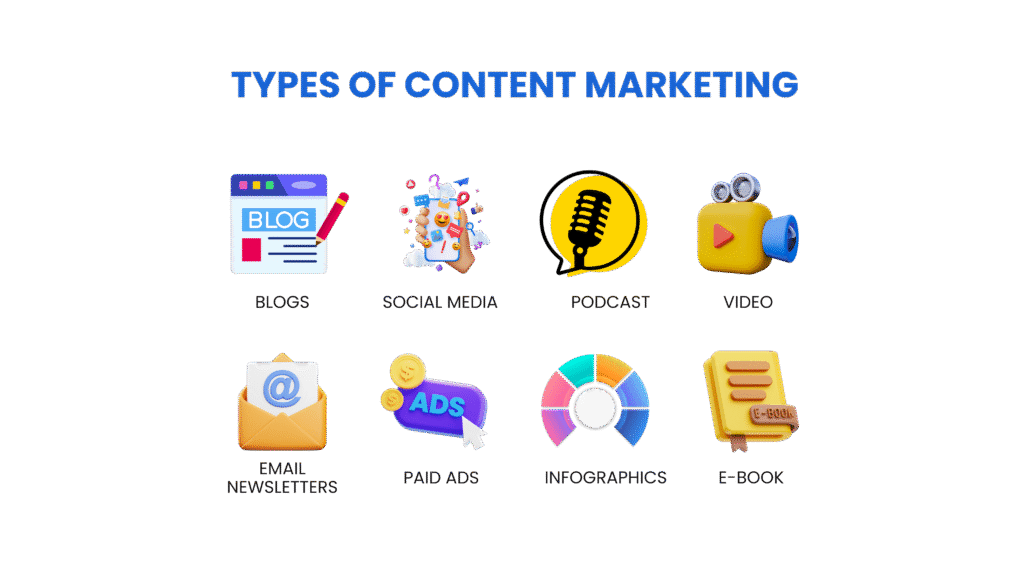
Cost-effective content marketing strategies mean focusing on services that generate maximum returns for minimum investment. For small and mid-sized businesses, the following services form the backbone of pocket-friendly content marketing:
Searching is the most reliable channel for attracting steady traffic.
Social platforms act like cost-effective distribution for brands at scale.
It is one of the smartest moves in cost-effective content strategies.
Despite being one of the oldest channels, emails still have an unmatched ROI.
Measuring the analytics and impacts of your business doesn’t require premium dashboards.
Together, these elements prove that affordability in content marketing isn’t about doing less. It’s about working smarter. The essence of content marketing lies in building visibility step by step, and creating systems that scale with the business.

For small businesses, the process of content strategy starts before even investing in content marketing. The first checkpoint is finding the right partner. Experts like Fastlinko can deliver valuable content without draining budgets.
A few checkpoints help to distinguish genuinely affordable content marketing providers from those who only sound affordable on paper are:
It is non-negotiable. Affordable providers outline transparently what’s included in their package. The number of blogs, posts, campaigns, and revisions is mentioned clearly so you can calculate the cost against output. If pricing feels vague, hidden costs may emerge later.
Having expertise adds even more weight to affordability. A provider who understands your sector doesn’t need months of trial and error to figure out your business’s needs. They already know your audience, competitors, and keywords. This makes work faster, sharper, and more relevant to your goals.
They reveal whether your chosen content marketing partner can deliver at scale. Even if your campaigns are small, you should check proofs of past projects to assess if your content specialists show creativity, consistency, and results.

Scalability options matter a lot. As your business grows, your needs for content marketing will grow as well. A good provider lets you start easy with two blogs a month or a basic social calendar. Slowly it scales into full campaigns as the ROI builds. Affordability without scalability traps businesses in small outcomes.
Cheap content often sacrifices quality. It involves spun blogs, irrelevant keywords, or templated posts that harm your brand more than helping it. Affordable means optimising resources while still maintaining originality and value.
Finally, you must examine whether working with freelancers or agencies suits your business. Freelancers offer agility and lower costs but they may lack consistency. This is usually because freelancers may juggle multiple clients. Agencies on the other hand, bring structure, wider skills, and accountability.
But these privileges come at higher price points. The right choice depends on your needs, speed and flexibility.
Selecting a content marketing partner isn’t about the lowest quotation. It’s about finding someone who treats your budget like an investment and delivers measurable returns.
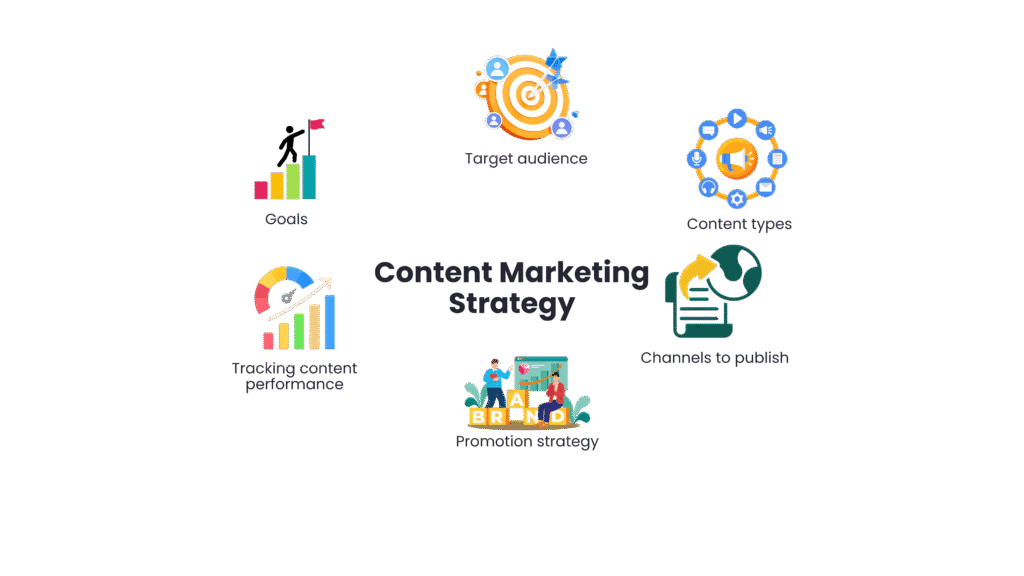
Even without large budgets, firms can build visibility. Following are some practical, cost-friendly content marketing tactics that promise to grow with your business:
It is the most sustainable path to organic traffic. Unlike broad keywords dominated by big brands, long-tail keywords target specific customer queries. These keywords utilise intent-driven traffic at a fraction of the cost of ads.
They help in building your digital credibility. Publishing on partner sites or industry blogs gives your brand external validation. It also creates backlinks that support SEO authority. For small businesses, guest posting and link exchanges amplify reach without any extra ad costs.
Free tools like Canva for design and Buffer for scheduling allow businesses to maintain digital presence without daily efforts. Consistency and quality of content beats flashy campaigns when your resources are tight.

These ensure that posting remains steady. A simple monthly plan prevents gaps, aligns blogs with social updates, and makes campaigns feel structured rather than improvised.
When used responsibly, AI tools can reduce costs without harming your content’s quality. From drafting outlines to suggesting keywords, they act as support systems, not replacements for human creativity. Businesses that blend AI with personal expertise get more done without losing authenticity.
The real strength of affordable strategies lies in mix-and-match flexibility. Startups and small businesses don’t need to adopt every trick at once. They can pick one or two tactics, test them, and scale as results and budgets permit, accordingly.
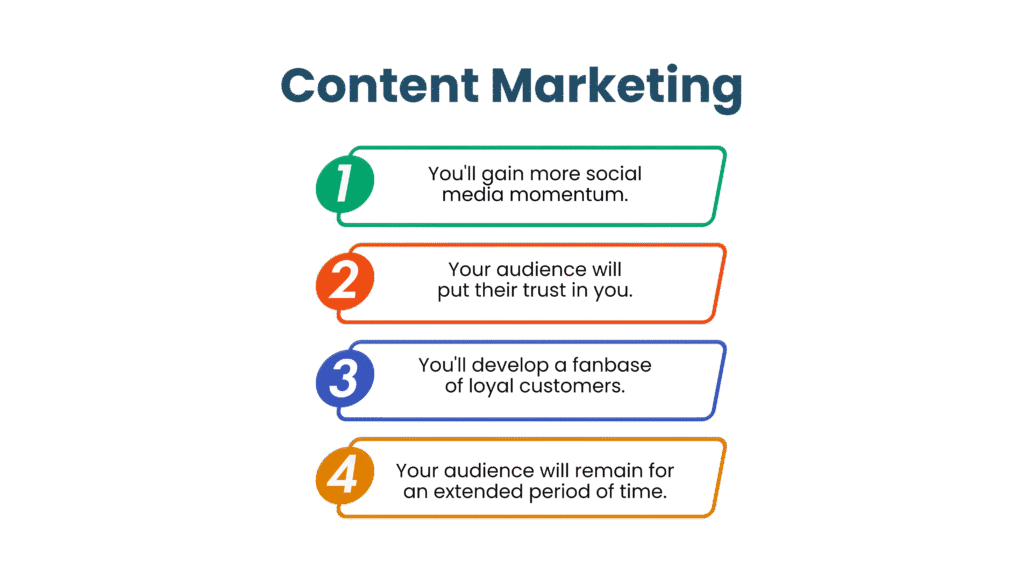
For small and mid-sized businesses, the challenge of using content marketing is balancing ambition with budget.
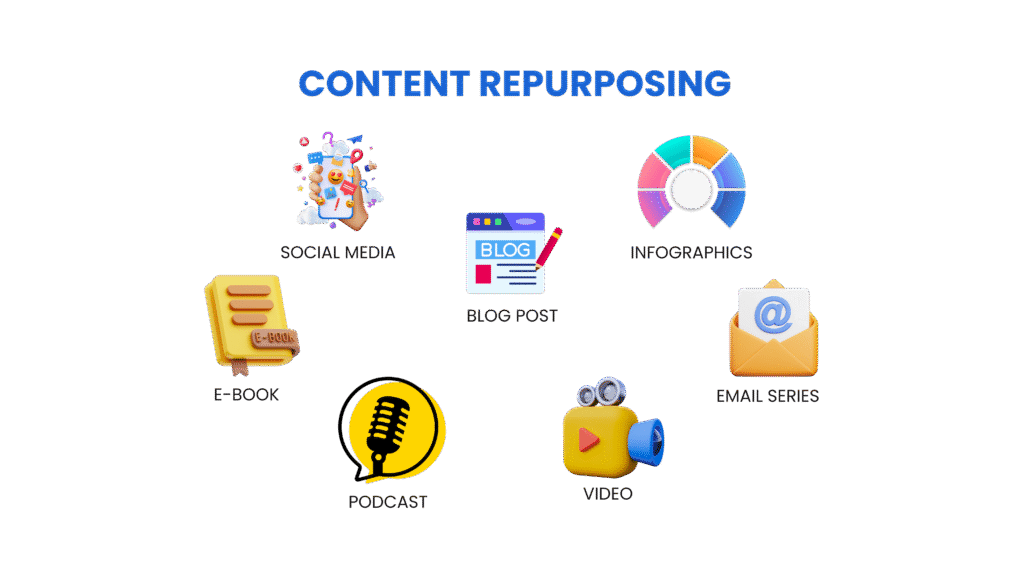
More than spending heavily on ad campaigns, content marketing is about using the right strategies at the right scale. That’s why cost-effective content strategies are making all the difference today. Instead of chasing high-budget campaigns, businesses can build visibility through targeted blogging, consistent social media, smart repurposing, and SEO content marketing services that grow with results.
In today’s competitive landscape, content is no longer optional. But it doesn’t have to be out of reach. With the right approach, even small investments can result in meaningful growth. In 2025, budget content marketing is both practical and powerful.
Traditional campaigns are resource-heavy and focus on mass reach. Affordable services prioritise efficiency, digital-first channels, and repurposing. They rely on SEO, social media, and email to generate steady results. Affordable content marketing services give smaller businesses a scalable way to grow without excessive spending.
SEO content marketing services include keyword-focused blog writing, optimised website copy, on-page SEO, and local SEO strategies. For startups, these services are affordable yet impactful. They help in improving search rankings and attracting organic traffic without relying on paid ads.
Freelancers are flexible and cheaper but may lack the ability to scale or resources. Agencies offer broader expertise, consistency, and structured execution. The final choice depends on your business needs. Startups may begin with freelancers, while growing companies often benefit from agency-level support.
Yes. Affordable strategies like SEO, content repurposing, and email campaigns are designed to be trackable. Businesses can monitor engagement, traffic, and conversions using basic analytics tools, overlooking if every rupee spent contributes to visibility, leads, or sales growth.
