
How US Agencies Use Guest Posting to Build Authority for Clients
January 30, 2026






In theory, paid guest posting sites buy visibility. In practice, they build brand perception.
ROI-focused guest posting is no longer a numbers game. Beyond how many links you build, it now relies on placements that genuinely shift perception. In the B2B sector, credibility spreads through association.
This is where genuine backlink strategies step in. A single feature on a well-positioned platform can influence how investors, partners, or prospects read your brand.
In 2025, traffic quality analysis tracks more than just referral traffic. Experts like Fastlinko study on-site behaviour, content overlap, and audience fit to see which platforms can actually convert brand visibility into trust.
This guide breaks down how to identify the right platforms for paid blog evaluation, assess their audience quality and quantify how much each placement contributes towards building brand authority.
Together, let’s explore how to evaluate paid guest posting sites for authentic traffic and engagement.

In 2025, guest posting is a powerful growth channel for B2B brands.
Beyond links and SEO strategies, it helps companies express their expertise, reach high-intent users, and amplify their content across targeted industry audiences.
Professional guest posting services make sure that every placement contributes to brand authority, visibility, and influence. Their objective is to convert guest posting into a strategic tool for businesses that want on-ground impacts and market relevance.
Before we learn about evaluating them, let’s understand why B2B brands are investing in professional guest posting services in 2025. Beyond temporary traffic boosts, we will learn why it’s a key component of modern content marketing strategies.
Expanding Visibility Among Niche Audiences
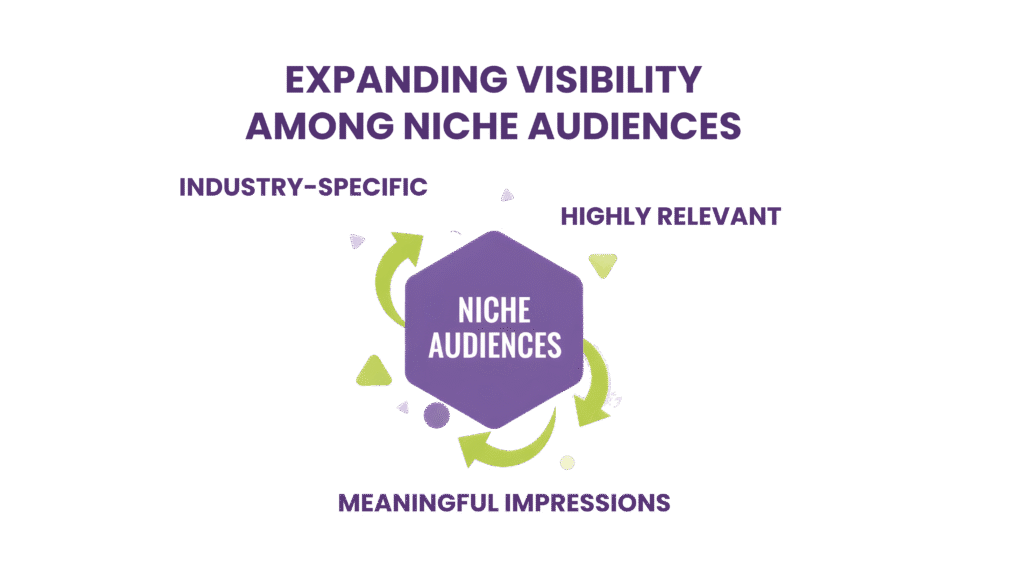
Paid guest posting positions your content directly in front of highly relevant, industry-specific readers. From here, it reaches actual end users instead of casual browsers.
Unlike broad advertising, these audiences are actively searching for insights, trends, and solutions within their sector. By targeting platforms with precise audience alignment, brands create meaningful impressions with prospects that are already in-market or exploring solutions.
This approach maximizes the value of every placement and turns content into a visibility asset rather than an exposure machine.
Building Credibility and Authority
Publishing on reputable industry platforms signals trustworthiness and expertise to prospects, partners, and peers.
Each placement on reliable and high-authority sites establishes the brand’s position as a domain authority. This process improves brand perception across the digital ecosystem.
Repeated exposure on multiple credible sites compounds your brand’s authority and places your organization as a go-to resource for industry insights.
Strategic placement decisions directly contribute to perceived expertise and credibility, supporting broader brand and marketing objectives without operational involvement.
Supporting Multi-Channel Content Strategy

Guest posts act as content multipliers.
Once published, they can be repurposed and reproduced across newsletters, LinkedIn campaigns, webinars, and other owned channels. This multi-channel integration creates a synergistic effect.
It reinforces messaging across platforms while maintaining cohesion with broader marketing initiatives.
If one high-quality guest post generates newsletter snippets, it can also be reused for social media updates and LinkedIn carousel content for weeks. This extends its influence far beyond the original placement.
When coordinated with organic SEO efforts, thought-leadership campaigns, and social amplification strategies, guest posting becomes a core enabler of multi-channel growth, pushing consistent audience engagement and strategic narratives.
Influencing the Buying Process
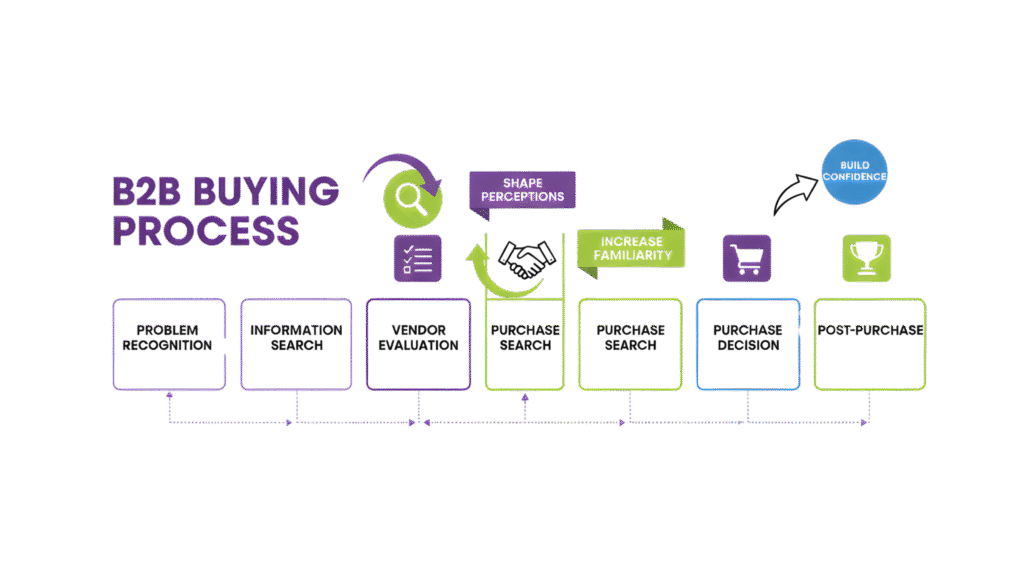
B2B purchase decisions involve multiple stakeholders. Each of these stakeholders requires repeated exposure to trusted content.
Paid guest posts placed on credible platforms can shape perceptions among such users and stakeholders early on in the buyer journey. Thus, they keep increasing familiarity and confidence before direct sales conversations even begin.
Timing releases around product launches, key announcements, or research cycles subtly influences stakeholder priorities and perceptions. They position the brand as knowledgeable, credible, and aligned with industry needs.
ROI That Goes Beyond Links
Professional guest posting services do not optimize solely for backlinks.
They work for higher engagement, visibility, and strategic influence. The measurable impact includes lead generation, demo requests, newsletter subscriptions, and influence on partner discussions.
Beyond that, high-quality, repeated placements establish a scalable pipeline of authority and trust. Senior leaders benefit from understanding which platforms deliver meaningful engagement. This insight informs investment decisions, resource allocation, and strategic partnerships.
By prioritizing quality over quantity, organizations achieve long-term ROI that supports business growth, rather than mere spikes in metrics that do not translate into influence or credibility.
Not all guest posts are equal. Some circulate briefly and vanish while others reach the right readers, spark discussion, and quietly shape perceptions over months.
For B2B brands, it is crucial to know that the real impact comes from placements that expose your ideas to the right networks at the right time, reinforce credibility through context and expertise, and feed into ongoing conversations in your industry.
Investing in quality, well-placed content isn’t about traffic or vanity metrics. It’s about creating a chain reaction that builds recognition, trust, and informed influence over time.
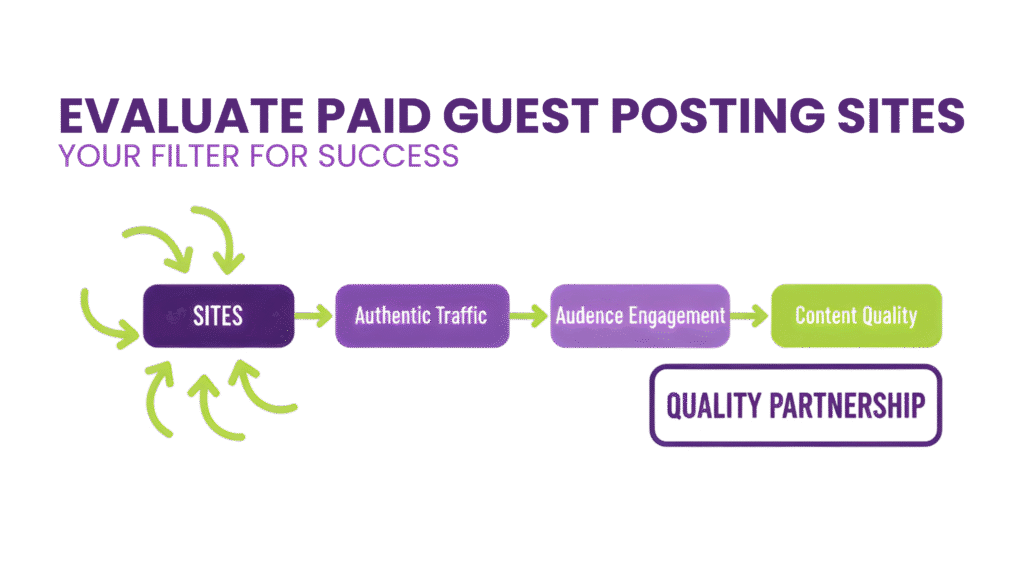
Evaluating paid guest posting sites is about more than ROI or reach.
By focusing on specifics like traffic quality analysis, genuine backlink strategies, and ROI-focused guest posting, businesses can make smarter decisions. Paid blog evaluation boosts reach and long-term engagement for your guest posts on various platforms among the right audience.
The true craft of guest posting isn’t in spotting flashy numbers or low-cost deals.
Its real value lies in differentiating performative signals from impactful metrics. In this section, we’ll discover more about how to evaluate paid guest posting sites for authentic traffic and engagement.
Here are some criteria that your brand should assess before working with paid guest posting sites:

Traffic quality determines how much of your brand’s visibility is translated into trust. A credible site shows stable, organic traffic with steady month-on-month growth. Reliable platforms show consistent performance, not erratic surges.
Digital traffic can reach you from organic, referral, or direct sources. Organic-heavy sites have audiences that search, read, and act with intent. On the other hand, sudden spikes from non-search regions or unusual referral sources usually reflect traffic manipulation.
Experts also study how users behave once they are on your landing page. They look at measures like pages per session, dwell time, and scroll depth. A genuine audience engages with your content, clicks internal links, and stays long enough to absorb information.
Finally, these insights are combined with regional data, so the audience is filtered thoroughly for buyer intent.

A site’s editorial quality is a testament to how seriously it treats its readers. By extension, it also shows those sites deal with your brand.
Paid guest posting sites review past content carefully. They use those references to align tone, grammar, and structure for further content. On top-ranking search results, content can not reflect any signs of automation. When it comes to fresh guest posting pieces, experts aim to reflect editorial effort and judgement clearly.
B2B brands should avoid platforms that publish at scale without creating content. When a blog posts 20+ articles daily across random niches, it signals a lack of curation.
They also check brand safety. Moderated comment sections, consistent themes, and credible sources indicate editorial discipline. The best B2B guest placements read like industry publications, with subject-matter insight and reader-first depth.
Not all backlinks contribute to your digital marketing strategy equally. The very basics, like position, context, and placement of your guest post’s link decide whether it impacts viewers or simply exists in online marketplaces.
Links embedded within the content, especially around the topically relevant terms, have a very high performance. They are far better than those buried in author bios or unrelated sections.
Guest posting professionals keep outbound link density minimal, ideally under three per article, to prevent dilution. They also track link retention over time. Some paid sites also quietly remove links after a few months to prevent link rot.
This approach helps them to calculate the true SEO value of guest posts, not just temporary boosts.

Guest posting only proves its worth when it’s tied to real outcomes.
Adding UTM parameters to every placement helps guest posting experts like Fastlinko to trace referral leads, engagement, and conversions directly. Their goal isn’t just to count backlinks; it’s to measure how those backlinks contribute to your pipeline.
Along with that, they track newsletter sign-ups, demo requests, downloads, and contact form submissions as CTA. These are the touchpoints that show the real ROI of each site.
Finally, digital marketers also build a simple performance sheet for performance assessment. This sheet grades every guest post platform quarterly across three areas: engagement, conversion quality, and cost per post.
Over time, these tools help you to identify scalable partnerships instead of repeating one-off expenditure on low-level sites.

A site’s tone and reader expectations decide how your guest posting will be received on that platform.
Even strong publications fail to perform if the writing style or subject matter of the guest post doesn’t blend with the platform’s identity.
This is where pro guest posters step in. They look for tone compatibility to align with your brand’s communication pattern.
They keep a constant check on topic alignment too. Guest posts should add depth to an ongoing industry discussion, not introduce a disconnected narrative.
When your brand’s message naturally extends to the publication’s content flow, the guest posts feel organic and perform better.
When examined through these lenses, paid guest posting stops being an expense and becomes a structured acquisition tool.
Guest posting placement can either build credibility or drain resources. The difference lies in a disciplined evaluation. Brands should aim to choose platforms that sync with their target audience, maintain editorial integrity, and sustain link equity over time.
In B2B marketing, paid guest posting is less about isolated placements.
Now, it involves more about building a connected web of authority, visibility, and credibility. Each carefully evaluated site contributes to a larger brand perception ecosystem.
Here, relevance, audience engagement, and editorial trust converge and shape how stakeholders perceive your brand. High-quality placements ripple across channels, influence end users, partners, and investors simultaneously, reinforcing brand narratives.
Over time, these disciplined evaluations and strategic placements transform your regular guest posts from temporary content into lasting digital assets.
The compounding effect of well-synced content, credible backlinks, and targeted audience exposure creates a huge structural advantage for the brand that extends beyond immediate traffic or vanity metrics.
Links can break, move, or be deindexed. Regular monitoring maintains that your backlinks remain live, relevant, and effective. Link integrity protects the SEO value of your marketing, sustains referral traffic, and maximises ROI from each placement. Thus, it prevents wasted investment or lost authority over time.
Mass website traffic is meaningless without any core relevance. Paid guest posts can only have an impact for businesses when they attract engaged readers who explore content and convert. High-quality traffic strengthens brand perception, boosts referral authority, and drives ROI, while generic clicks add little to visibility or strategic outcomes.
Audience relevance is far more valuable than just website traffic. A smaller, engaged audience in your niche delivers better conversions, boosts brand trust, and brings measurable ROI for your guest posts and brand. On the other hand, generic high-volume traffic won’t help to achieve strategic goals at all.
Ideally, companies should audit their guest posting links every 2-3 months. Check for indexation, anchor relevance, and referral traffic. Regular audits ensure links stay effective, maintain SEO value, and keep ROI up. This helps spot issues early and avoid wasting your efforts or investment.
