How US Agencies Use Guest Posting to Build Authority for Clients
January 30, 2026



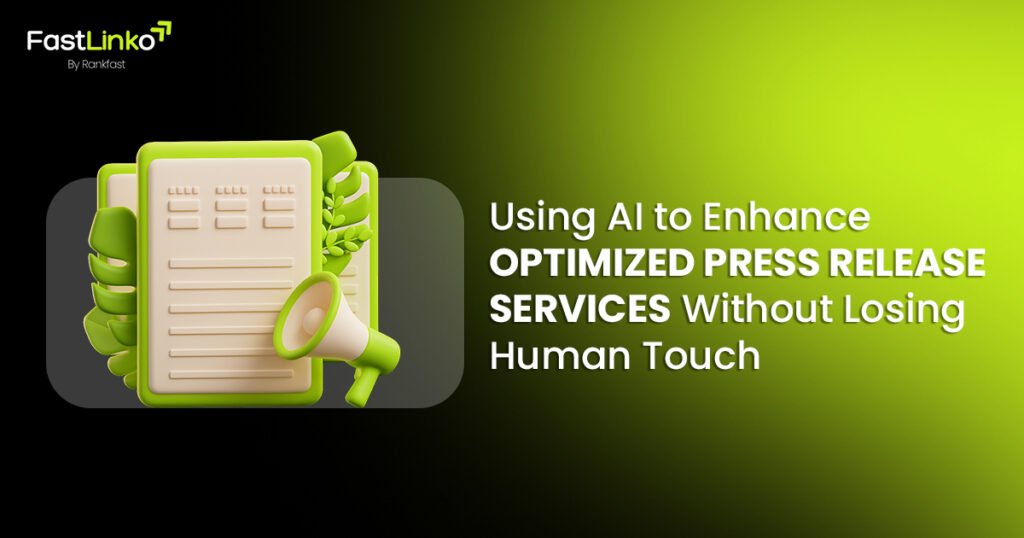


Every press release is a chance to shape how your audience sees your brand.
Today, Smart PR optimization has grown beyond a way to spread news. Predictive press release trends channelise human-AI collaboration with AI-assisted PR writing to place every PR where it matters the most. AI tools optimized press release services by analysing a host of measures. They carefully spot trends, ideal timing, and audience behavior. This is used to provide brands with actionable intelligence about their digital landscape.
But, here’s the catch. AI alone is not good enough. Human editors further refine the messaging and tone of your content so each press release reads naturally, builds credibility, and aligns your publications with business goals.
In this guide, let’s understand how to optimally utilise AI-human collaboration to craft the perfect press releases. Ones that not only reach the right people but also drive meaningful attention, influence, and long-term visibility.
In 2025, press releases are no longer isolated announcements. They are strategic signals within complex digital ecosystems.
The adoption of AI isn’t about replacing humans.
For B2B brands, every press release is crafted to convey credibility, timing, and positioning simultaneously. The best use of AI here is to handle scale, patterns, and predictive insights efficiently. These measures were impossible to monitor manually without technological intervention.
Let’s take a brief look at why brands and optimized press release services are increasingly relying on AI-assisted PR writing:
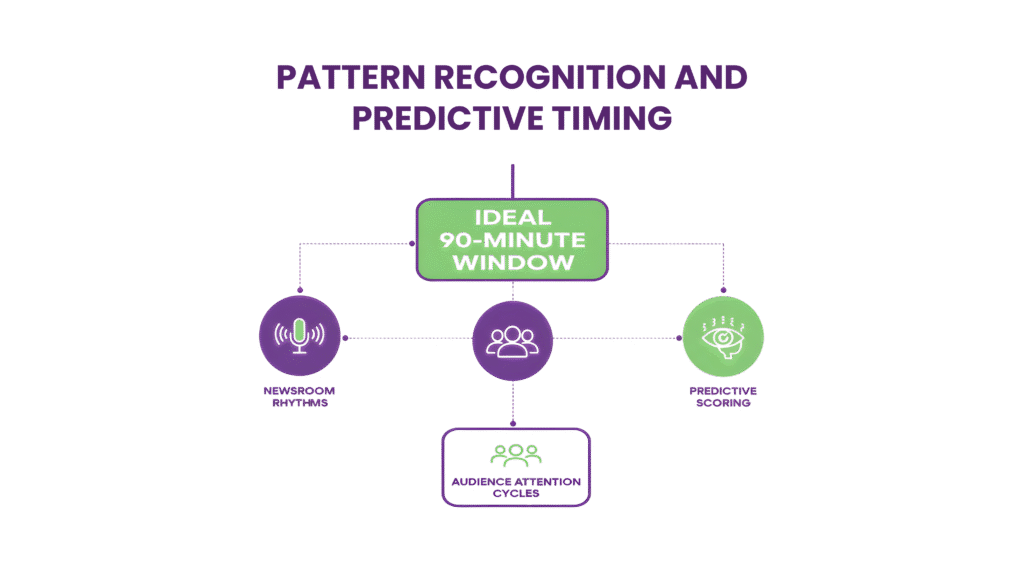
AI enables content specialist teams to map critical benchmarks such as newsroom rhythms, audience attention cycles, and platform-specific algorithms. For instance:
This approach transforms PR timing from guesswork to a strategy. Thus, AI allows PR teams to place content where it is both visible and contextually relevant.
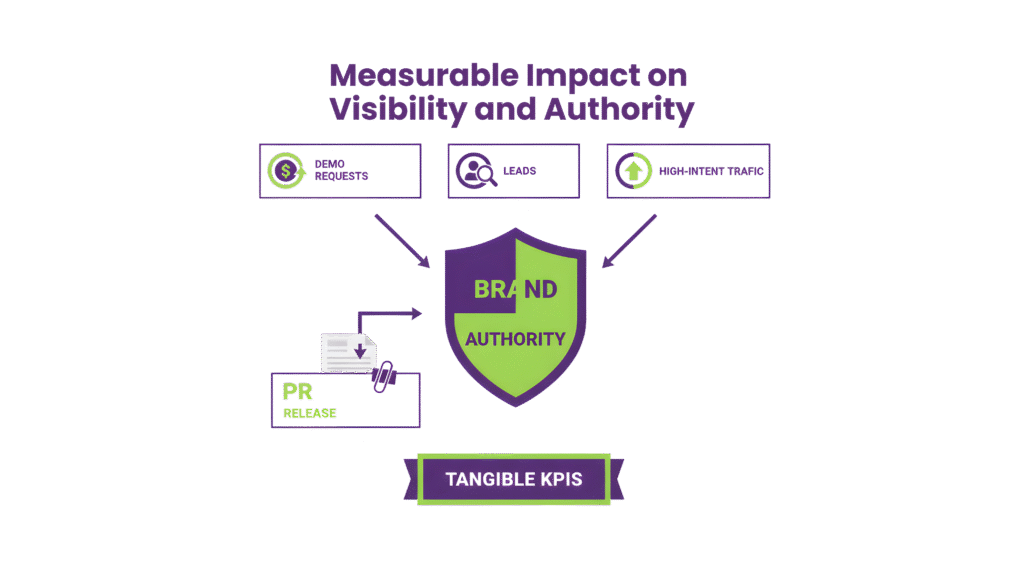
AI bridges the gap between PR and business outcomes. It works by:
Apart from timing, AI also reveals which of your content’s narrative structures link with different audiences by:
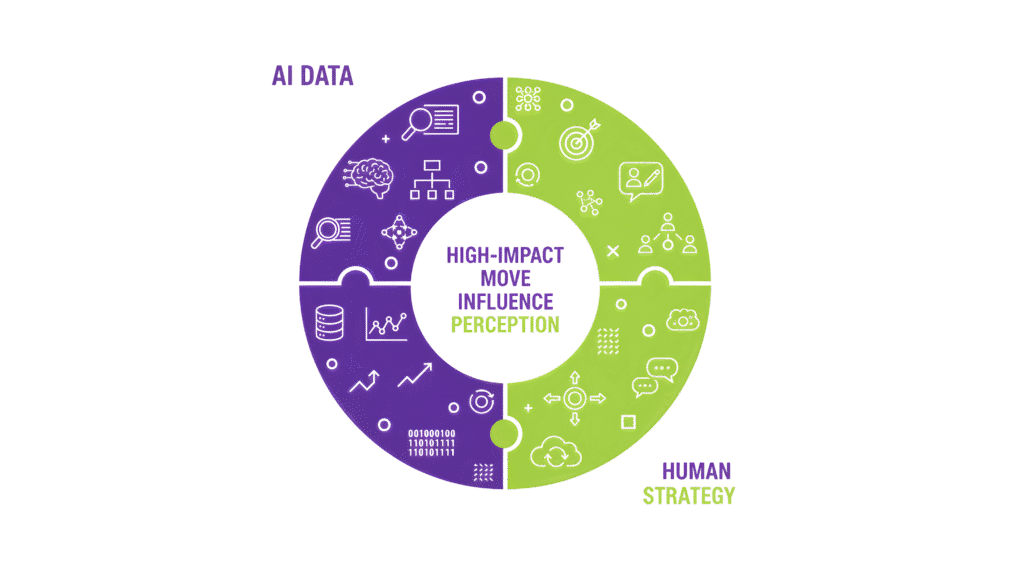
Even with advanced AI, human expertise is necessary because:
For B2B brands wanting to integrate AI-human collaboration thoughtfully, press releases become a high-impact move. They are timed, structured, and data-validated assets.
With AI, they can influence perception and drive engagement while reinforcing authority across multiple ecosystems.
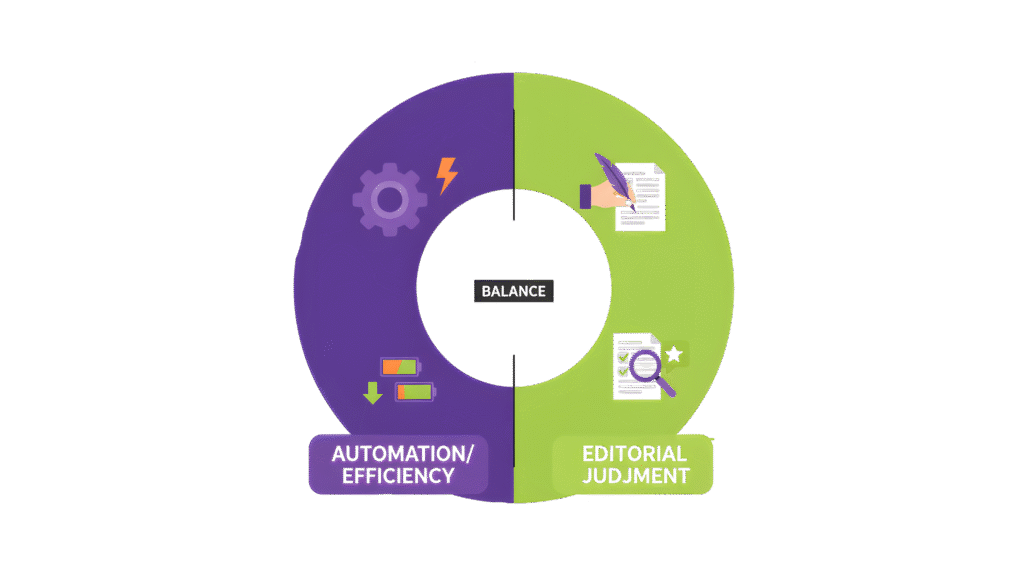
Artificial intelligence has become a powerful co-pilot in PR.
While automation speeds up distribution, the real impact still comes from a human perspective. Today’s press release workflow thrives on balance. It combines machine efficiency with editorial judgement to create stories that resonate, not just circulate.
AI simplifies repetitive work.
Its expertise is in mechanical tasks, which range from identifying trending topics to generating first drafts or optimising headlines for search intent. AI saves time, reduces manual research, and checks that no data point is overlooked.
Still, AI cannot duplicate the intuition that drives storytelling.
It does not instinctively understand how an announcement fits into an industry narrative, how tone shifts with market sentiment, and how emotional cues influence journalists or readers. These are judgment calls. They remain in human territory.
The real competitive edge for optimised press release services is in managing both these strengths. They have to balance answering the how with AI while humans define the why.
An efficient press release strategy separates tasks by their nature.
This structure reduces workloads without diluting authenticity.
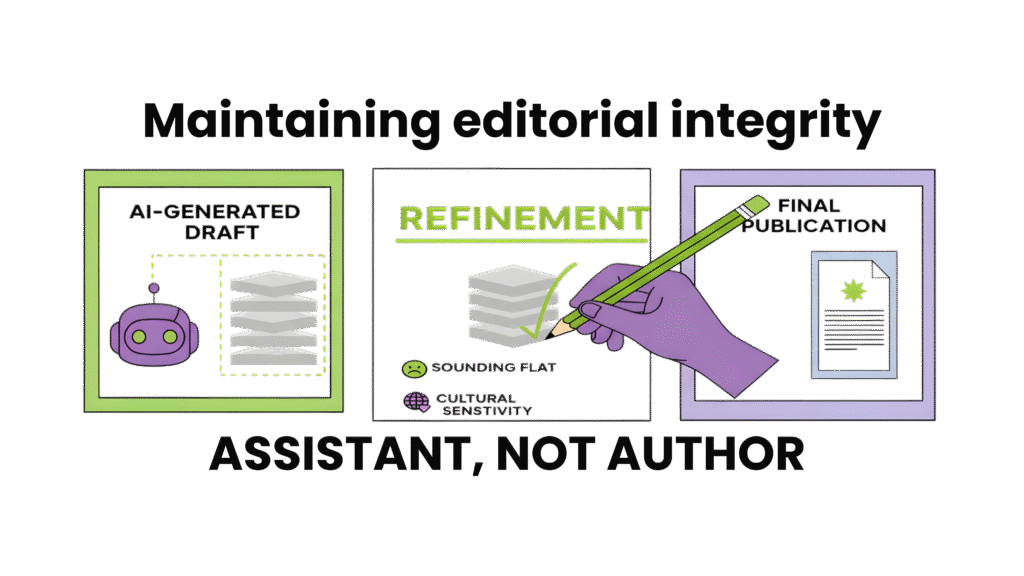
Maintaining editorial integrity
A major concern with AI-written press releases is similarity.
The biggest risk for every release is sounding algorithmically correct but emotionally flat. This is where human editors step in to actively refine tone, context, and originality.
Optimised press release services review AI-generated drafts from an editorial lens. This approach keeps your press release consistent with the brand personality. It also keeps a hold of cultural sensitivity and ethical standards.
AI systems can misinterpret these signals when dealing with sector and reputation-sensitive topics.
Think of AI as the assistant, not the author. The final voice must remain distinctively yours.
The collaborative model
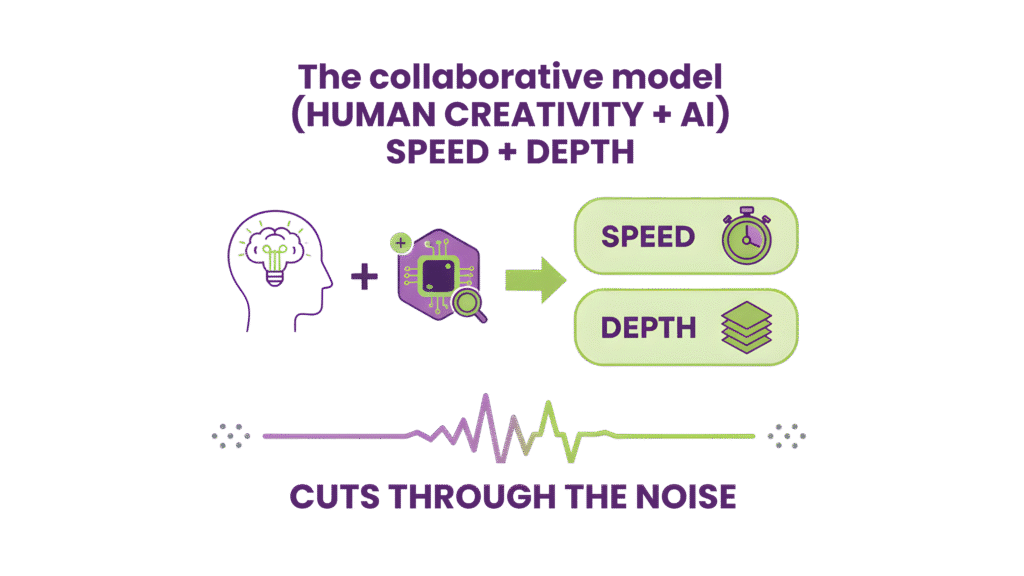
When human creativity directs AI, every release gains two qualities. These 2 qualities matter the most in 2025. Speed and depth.
Smart PR optimization guarantees that your AI-assisted PR writing never misses a trend window. Simultaneously, human strategy checks if your message successfully cuts through the noise.
The future of PR isn’t about choosing between a human and machine; it’s about knowing where they add the most value. Brands that master this balance create communication that’s intelligently crafted and authentically human.
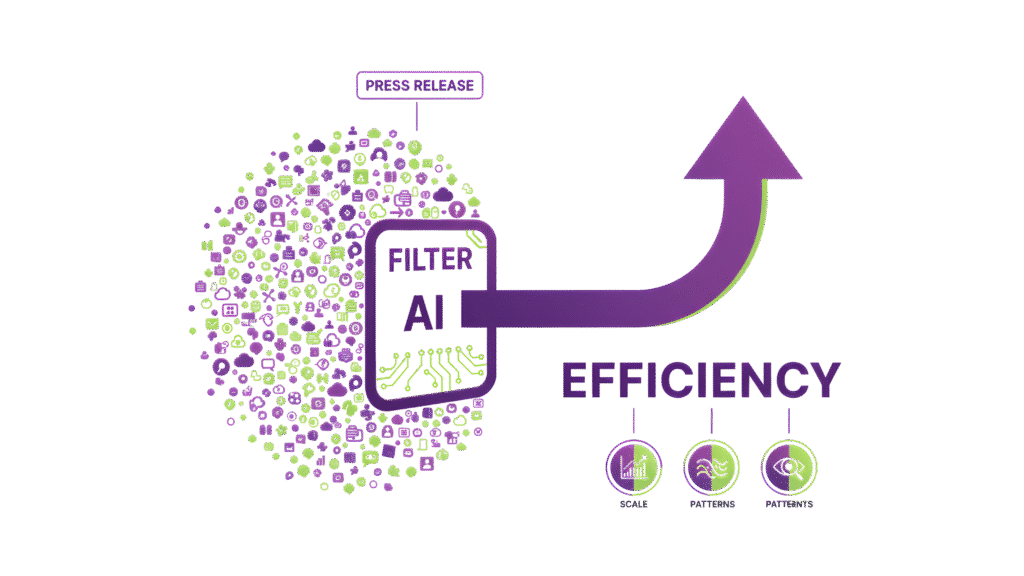
A press release in 2025 is more than a paragraph on a wire.
Every release is a structured signal that interacts with journalists, algorithms, and audiences at the same time.
Optimizing press releases today means combining data, strategy, and craft. It focuses on turning announcements into business impact, not disposable content.
Let’s see how B2B brands are using AI to enhance optimized press release services without losing human touch.
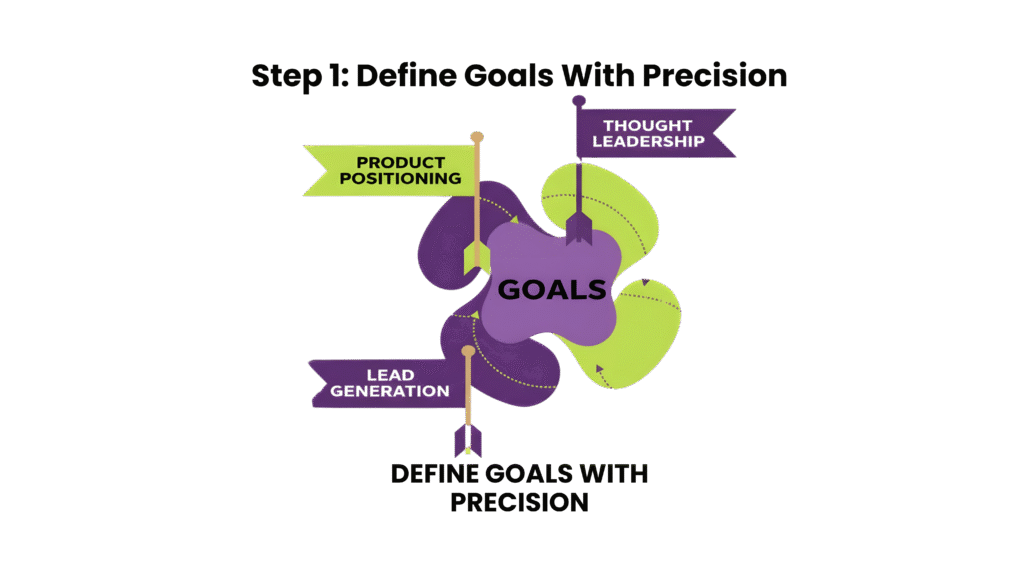
Start by clarifying what you want the optimised press release services to achieve.
Is it positioning a product, thought leadership, or influencing market segments? Each goal changes the narrative, approach, data to highlight, and distribution priorities.
For example, a thought leadership release should prioritise analysis, insights, and industry commentary. On the other hand, a product announcement must underline the use cases, benefits, and proof points.
Defining goals also sets the benchmark for success, whether that’s journalist pickup, social shares, or lead generation.
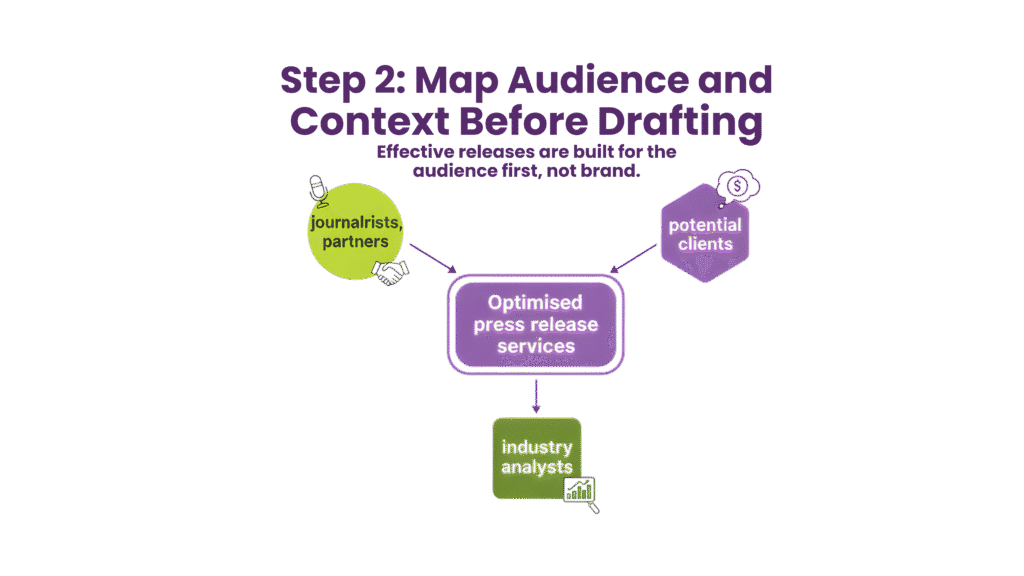
Effective releases are built for the audience first, not the brand.
Optimised press release services establish who will read, share, or amplify the release, be it journalists, partners, potential clients, or industry analysts.
They examine the content consumption patterns of their target audience. This includes:
This stage also includes competitive scanning.
This means press release experts analyse what similar brands are publishing and how their releases perform. Smart PR optimization helps identify gaps or missed angles in your release.
This helps your content to stand out rather than blend into the news cycle.
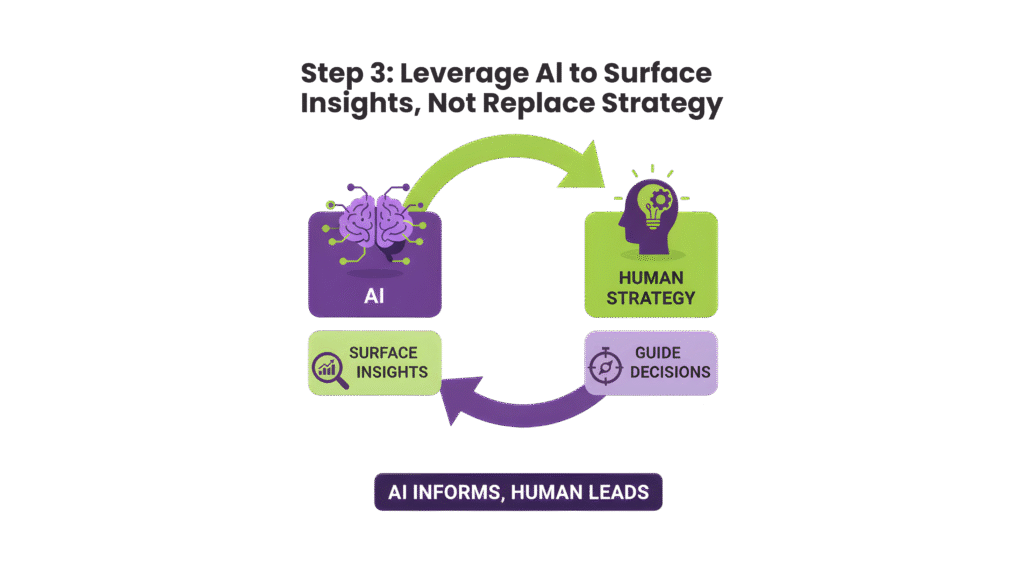
AI-assisted PR writing tools are powerful for trend identification, headline testing, and drafting multiple angles quickly.
But their real value lies in insight discovery. Predictive press release trends use AI to:
Here, AI acts as your brand’s research assistant. It accelerates discovery, but strategic decisions like framing, prioritization, and messaging must stay human-led.
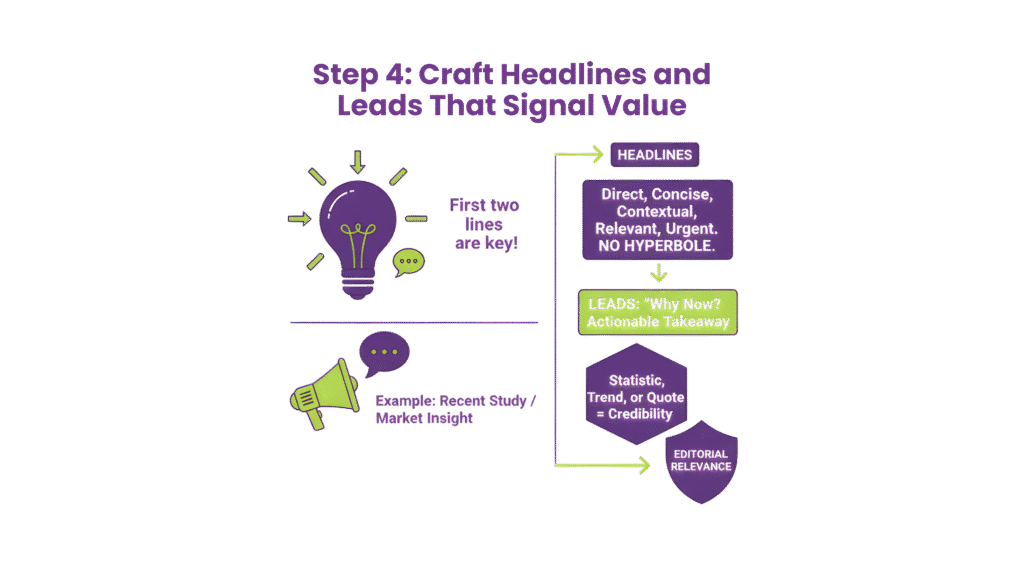
The first two lines determine whether your release is read or ignored.
Headlines should be direct and concise. More importantly, they should provide context, relevance, and urgency, without adding any hyperbole or exaggeration.
Upon reading the headlines, leads must immediately communicate the “why now” and the actionable takeaway. A strong lead can combine a statistic, trend, or quote that demonstrates credibility.
For instance, citing a recent study or market insight grounds the announcement and signals editorial relevance to journalists.
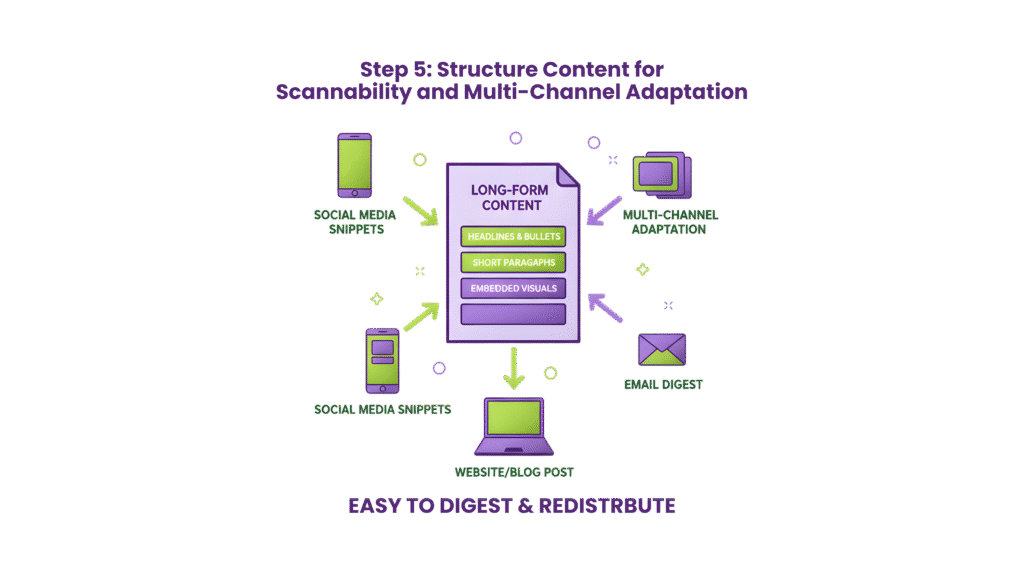
Modern readers scan texts for quick information. They don’t read in linear order. AI-assisted PR writing uses:
Content should also be modular.
Repurposing content allows reuse across many platforms like LinkedIn summaries, newsletters, and press wires without rewriting.
This expands reach and amplifies the release of each content asset organically.
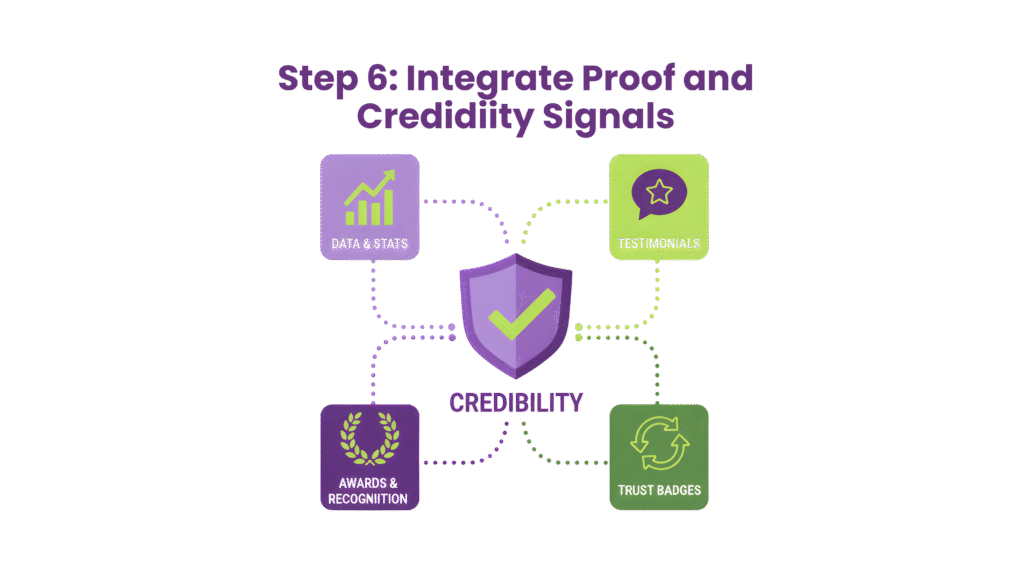
Numbers, expert quotes, case studies, or market benchmarks increase the pickup probability and shareability. Every element of proof in your press release should be:
Well-placed credibility signals make a release evergreen. It extends its reach far beyond the initial push.
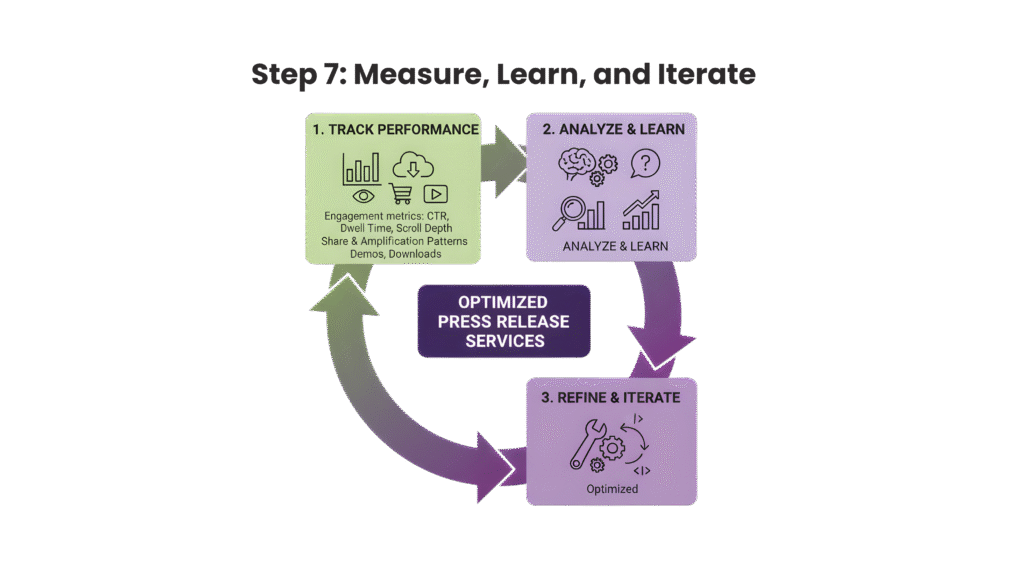
Finally, optimised press release services track performance across multiple dimensions like:
This data not only reports success but is also used to make better-informed future content strategies.
Smart PR optimization finds which angles, formats, and timing consistently outperform your competitors. Then it embeds these learnings into your workflow.
Over time, this approach builds a library of repeatable strategies that return a consistent ROI.
When these steps are applied together, press releases stop being a one-off announcement. They transform into strategic assets that drive measurable outcomes.
AI-assisted PR writing earns more editorial pickup, higher engagement, and positions the brand as a trusted thought leader in its space.
AI has redefined how press releases are planned, optimized, and distributed. But its strength lies in how it complements, not replaces, human judgment.
Algorithms can predict trends and optimize timing, still the intent behind a message depends on human understanding of its context, tone, and nuance.
For B2B brands, the future of PR belongs to those who can merge both dimensions, that is, using AI for precision and scale with human insight to preserve authenticity and narrative control.
This balance creates press releases that perform well technically and connect meaningfully with stakeholders.
By building this collaborative model, brands can future-proof their communication frameworks, support broader business goals, and position themselves as credible, forward-thinking voices within their industries.
Smart PR optimization tracks media coverage, reader engagement, and keyword performance to improve press release impact. By adjusting content structure, headlines, and distribution timing based on results, brands make releases more visible, relevant, and engaging. This helps them reach the right audience and generate measurable attention and interest.
Predictive press release trends guide brands on which topics attract readers most. Timing, format, and messaging are set to match audience interest and current events. Releases are designed to be clear and engaging. It increases clicks, encourages sharing, and helps stories reach more media outlets.
Predictions highlight topics, headlines, and formats likely to engage readers. Releases are planned around timing and audience preferences. Stories focus on clarity, relevance, and reader interest. When executed well, press releases gain more clicks, shares, and media coverage.
Services suggest strong headlines, clear structure, and relevant visuals. Multimedia, like images and videos, makes content more appealing and easier to read. Stories are written to connect with readers naturally. Shareable press releases attract more clicks, increase social interactions, and reach journalists and audiences who amplify the brand’s story naturally.
