
How US Agencies Use Guest Posting to Build Authority for Clients
January 30, 2026





Guest posting services have outgrown their reputation as a link-building trick.
Today, an SEO guest post is a narrative thread that ties SEO, authority, and audience together.
In 2025, Google’s AI doesn’t just scan for backlinks. It reads for context. Experts like Fastlinko evaluate whether your content belongs in the reader’s conversation, whether your links earn trust, and whether your content adds depth to the topic.
That’s why guest post & blogger outreach service now works less like outreach and more like an influence tool.
Still, despite this, most brands chase quick placements. Instead of building credible content ecosystems for both readers and algorithms, they chase quick reach. These brands fail to harness the benefits of marketing guest posts and paid guest posting services.
This blog unpacks AI-oriented guest post campaigns. It explores keyword intelligence with authentic outreach and domain expertise. Most importantly, it answers How to Run SEO Guest Post Campaigns That Google AI Loves
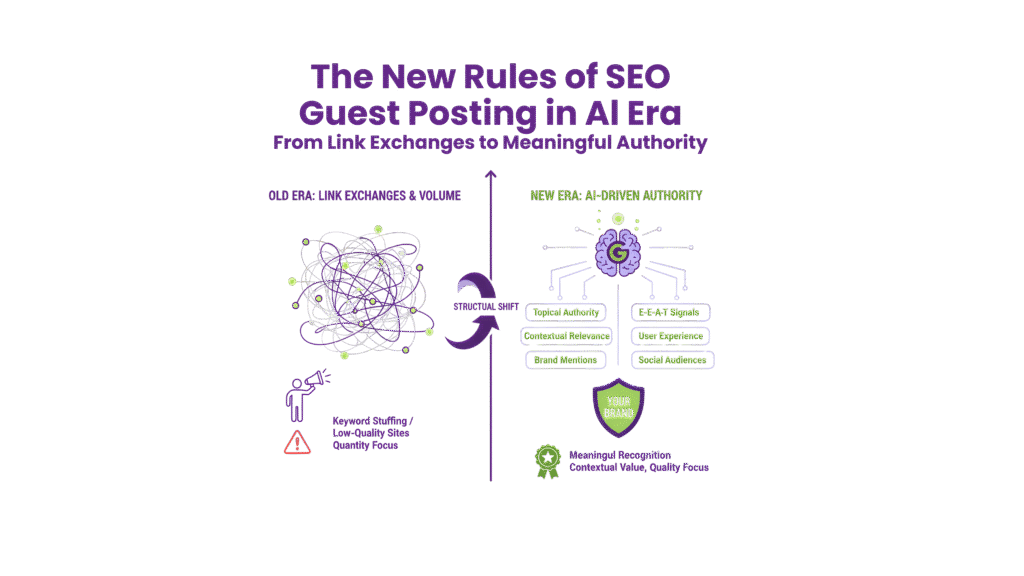
Guest posting used to live in the shadows of link exchanges or volume-driven outreach.
Now, the rules have changed. SEO guest posts are now taking the limelight. In fact, this shift is structural, not superficial. With AI-based search systems redefining authority, guest posting and its meaning are changing.
Today, it is less about being seen everywhere and more about being recognised for something meaningful. This is the foundation of a marketing guest post.
In 2025, Google’s AI doesn’t reward link count; it rewards link logic.
A backlink placed in a naturally written article, extending conversation, is extremely valuable. It now carries more weight than 20 low-quality mentions elsewhere. The main question for guest post & blogger outreach service has evolved.
From who links to you to why they link to you. SEO guest posts are different now.
This topical relevance and orientation signal that the brand belongs in the conversation. This factor makes backlinks an indicator of credibility rather than manipulation.
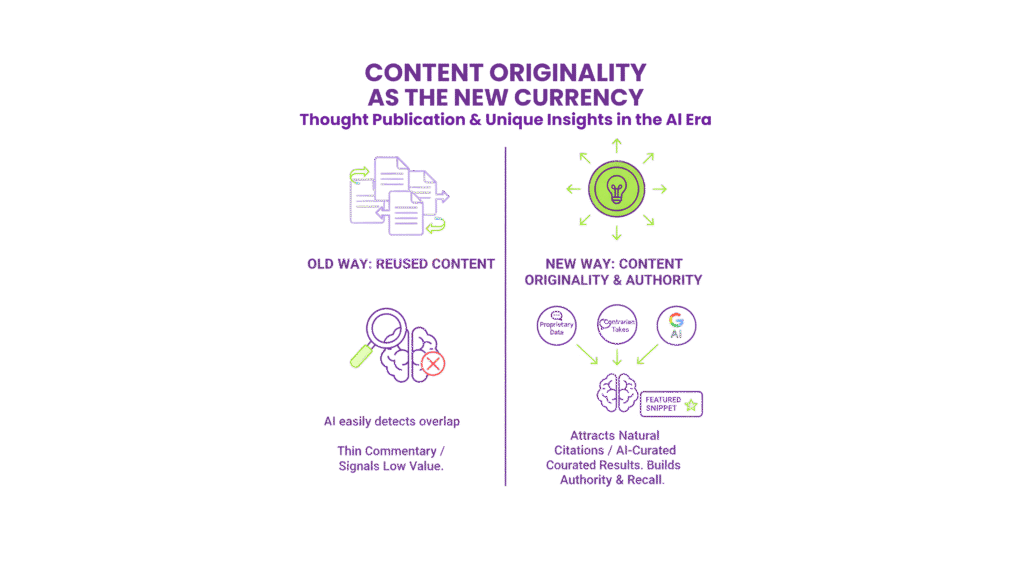
Reused talking points and thin commentary have lost value in guest posting.
Now, AI models can easily track the semantic depth and narrative uniqueness of each text published online. It even works in identifying overlap across hundreds of indexed pages.
Hence, B2B brands must approach guest posting as thought publication, not just marketing.
A guest post that introduces proprietary data, fresh insights, or contrarian takes uniquely stands out among viewers. It attracts natural citations, builds recall, and earns inclusion in AI-curated results.
Original thinking, supported by strong editorial execution, is now the true SEO multiplier.
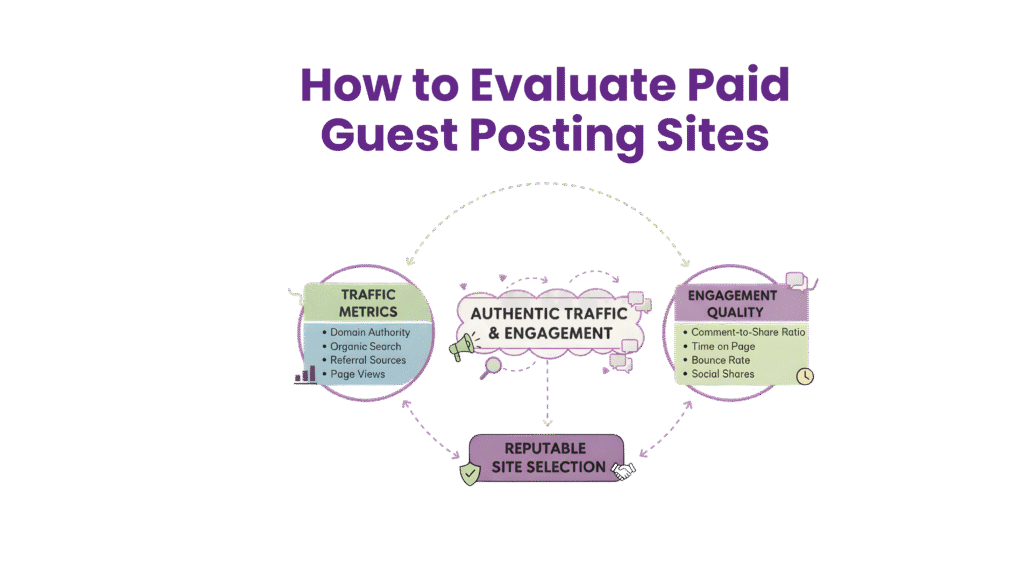
Guest posting works best when the publication and the brand share a similar audience DNA.
Having a dedicated and targeted user base is important for publishing guest posts. If your audience doesn’t interact with your content, no matter how good your posts are, they will simply fail to fetch any traction online.
High-performing placements don’t just improve ranking signals; they strengthen your user ecosystem. In this digital landscape, the best B2B marketers don’t chase placement counts. They curate digital neighbourhoods that match their positioning.
Modern guest posts are about authority by association. This is a principle aligning perfectly with how AI models interpret expertise and trustworthiness of online information.
Guest posts that are optimised for AI use entity-based optimisation and not traditional keywords.
This means they are weaving in connected concepts like company, sector, technology, and geography. They create a holistic content asset that helps search systems understand topical relationships. The goal of such guest post & blogger outreach service is not repetition but resonance.
When brands frame content using schema markup, clear subheads, and contextual link networks, they give algorithms clarity and users value. Both of these approaches reward authenticity over optimisation.
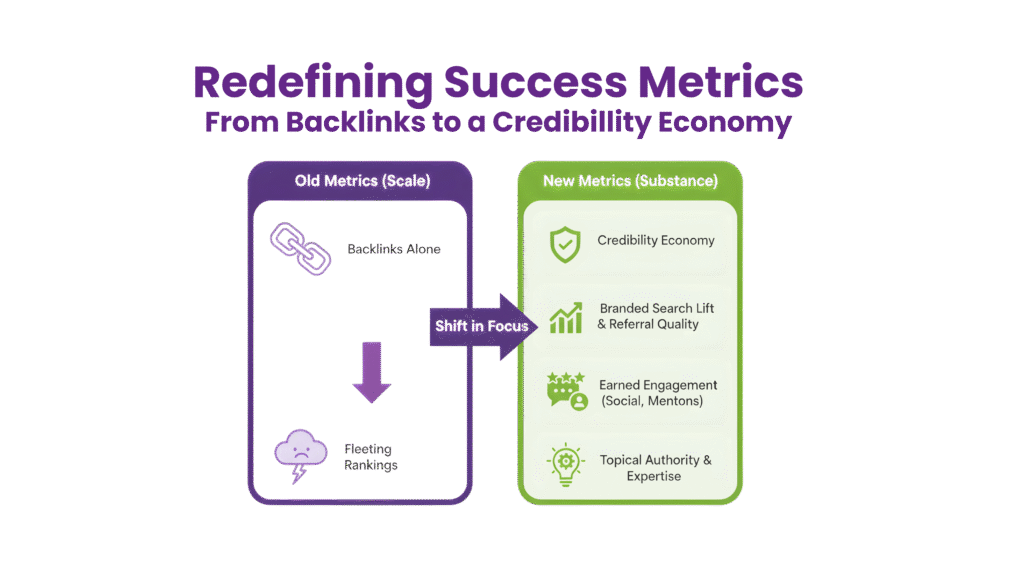
For industry leaders, success is no longer defined solely by backlinks.
It’s measured through modern metrics like branded search lift, referral quality, and earned engagement. Guest posts that generate genuine conversation deliver more sustainable authority than fleeting rankings.
They achieve popularity and interactions through social mentions, quotes, or analyst references.
In all its essence, SEO guest posting in the AI era is a credibility economy.
It rewards substance, not scale. When B2B brands publish with intent, precision, and perspective, every post becomes more than a link. It becomes proof of expertise.
As Google’s AI continues to interpret the meaning of guest posts through context and user satisfaction, the next shift in this sector is inevitable.
Let’s move from content production to marketing guest post publishing strategy.
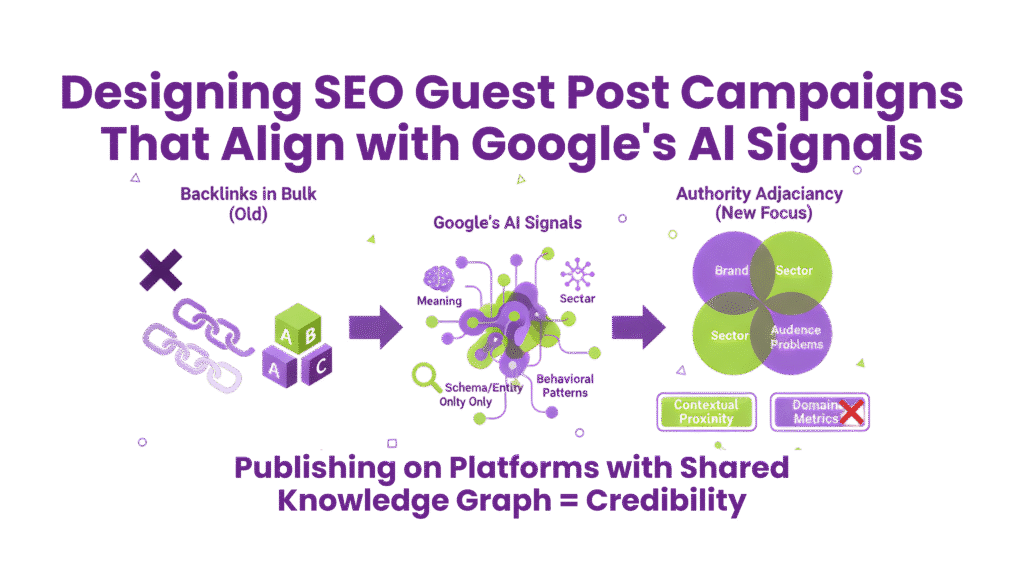
Google’s AI systems don’t just track backlinks. They interpret meaning, authority, and behavioural patterns around them.
For B2B brands, this means your guest post can signal credibility, depth, and domain leadership.
The basis of a high-performing paid guest posting service campaign lies in blending your content intent with Google’s AI recognition patterns. The algorithms now connect entities within your business, such as your brand, sector, and audience problem statements.
They make these associations to decide how relevant your post is within a specific search landscape. This changes the outreach equation completely.
Instead of chasing high-DA sites in bulk, B2B marketers now pursue authority adjacency. That is, publishing on platforms that share the same knowledge graph as their own.
Basically, contextual proximity now outweighs domain metrics.
Targeting through topical clusters
Every campaign must begin by identifying your brand’s primary topical clusters.
These are the areas where your brand seeks to lead the conversation. Guest posts that align with these clusters strengthen your entity profile.
The closer your content sits to Google’s understanding of your niche, the higher your brand’s perceived expertise. This is where AI-based keyword clustering tools help.
They identify subtopics that your competitors rank for and customise content to fill those contextual gaps.
Mapping keyword intent to funnel stages
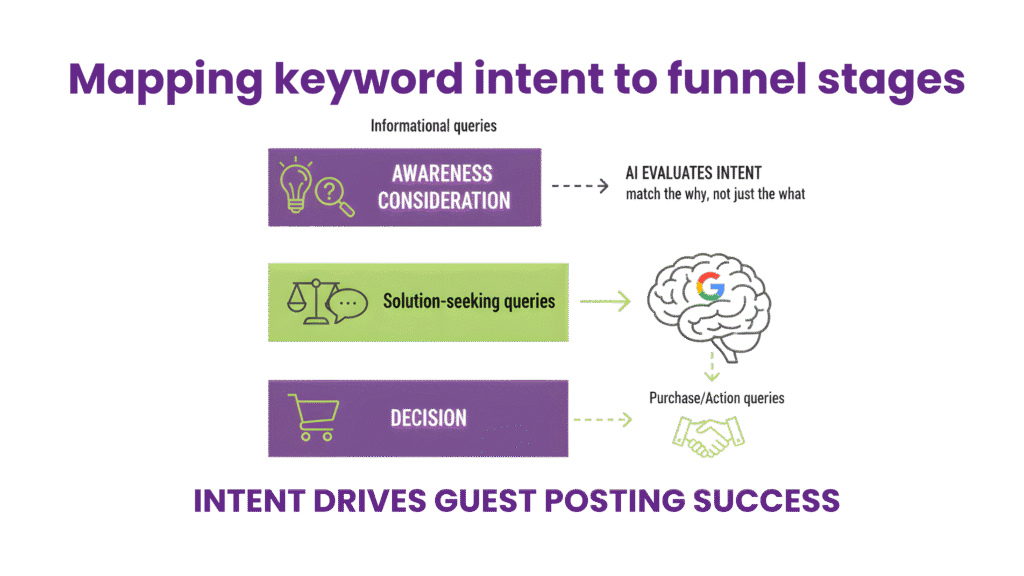
Guest posting success isn’t about ranking for broad keywords anymore.
AI evaluates the intent. It checks whether your content answers awareness, consideration, or decision-stage queries.
In short, the goal of keyword mapping is to match the why behind the search, not just the what.
Optimising anchor text for meaning
The era of exact-match anchors is over.
Today, your anchor should further assist and enhance the reader’s comprehension, not interrupt it. Google’s AI reads and analyses the semantic flow of various publications. It knows when a link feels forced or misplaced in context.
B2B marketers now write anchors that mirror natural conversation. Their main job is linking phrases like data-backed audit insights or enterprise-grade encryption solutions to provide value to both algorithms and human readers.
Collaboration for credibility
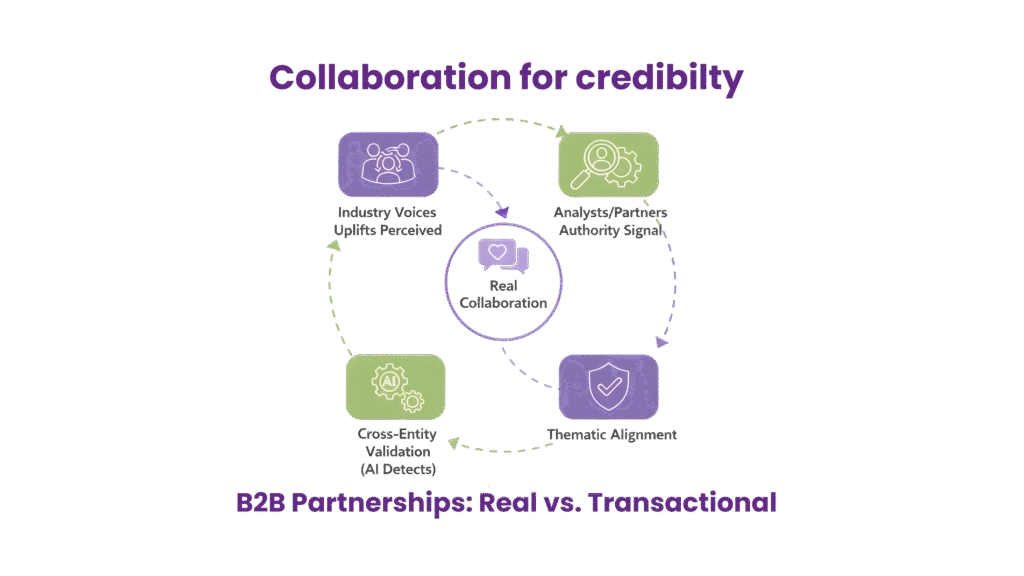
Guest posting is no longer a solo exercise.
Co-authoring with industry voices, analysts, or technology partners uplifts your brand’s perceived trust among users. Google’s AI also detects cross-entity validation. Thus meaning when credible experts reference your brand within similar thematic spaces, it amplifies your authority signal.
B2B brands should focus on partnerships that reflect real collaboration, not transactional mentions.
Why this approach works
Google’s AI models are designed to reward clarity and purpose.
A guest post that offers deep insight, transparent sourcing, and audience relevance outperforms ten average placements. In this competitive ecosystem, quality compounds. Every contextually relevant article boosts your digital footprint and feeds into both brand perception and search visibility.
When you design campaigns around content alignment and not volume, your marketing guest post stops chasing rankings and starts defining them.
That’s where visibility turns into trust, and trust into measurable growth.
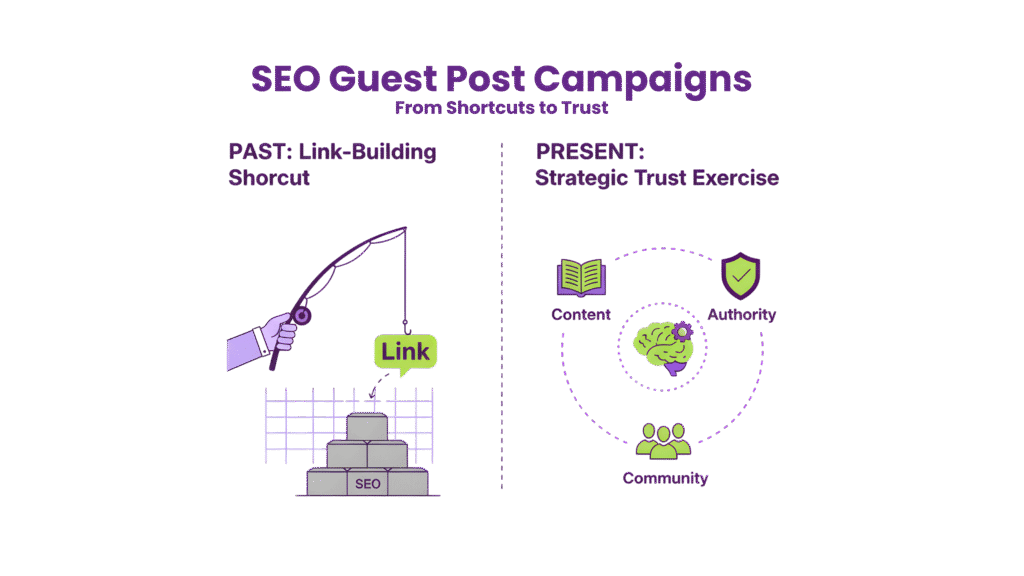
Guest posting has evolved from a link-building shortcut. Now, it has become a strategic trust exercise.
In 2025, Google’s AI evaluates what you publish, why it exists, and adds more. As a matter of fact, it also shows how readers respond. The best-performing campaigns treat every post as both a contribution to topical authority and a data point in the brand’s credibility network.
Now, let’s understand how to run SEO guest post campaigns that Google AI loves.
1. Define Intent-Driven Goals
Every campaign begins with clarity of purpose. Is the objective awareness, domain authority, or lead conversion?
The user intent report determines not just where you publish, but what you say and how AI interprets it. Google’s systems now assess whether a guest post meets their informational or commercial intent. When your message aligns with that search purpose, visibility compounds naturally.
B2B marketers often blur awareness with acquisition.
Distinguishing between these two assures that your campaign keeps producing measurable brand equity and not just vanity metrics.
2. Curate a Quality-First Publisher Network
Relevance now outweighs reach.
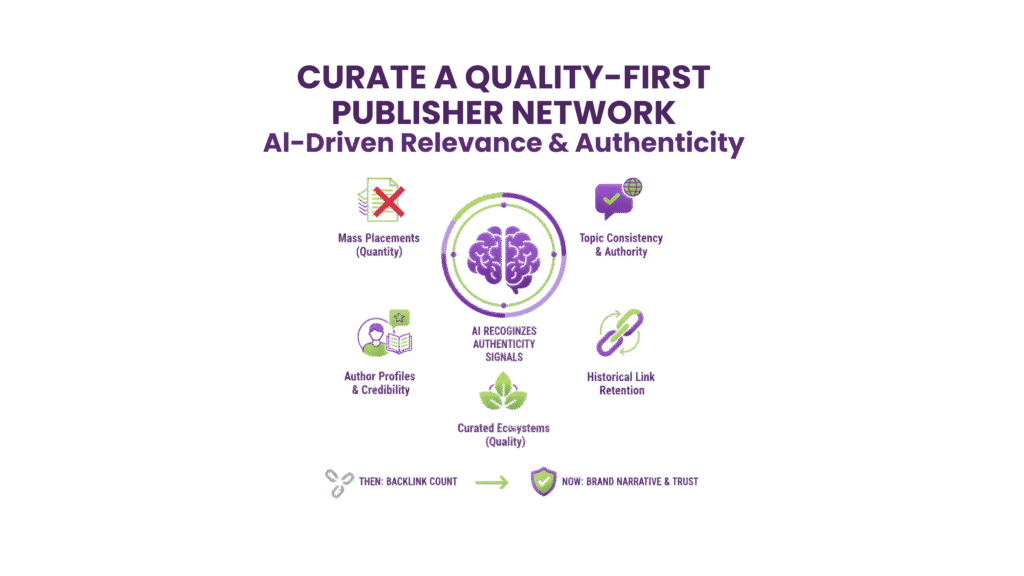
Google’s AI rewards contextual integrity nowadays. The posts that appear on publishers should be the ones whose audiences overlap with your market’s intent graph. That’s why curated publisher ecosystems outperform mass placements.
The best guest posting services focus on editorial resonance, not backlink count. They evaluate publishers by topic consistency, author profiles, and historical link retention.
AI models are trained to recognise these authenticity signals. This shift reframes guest posting from volume-driven execution to quality governance.
Each collaboration with paid guest posting services becomes an extension of your brand’s narrative. It transforms into a part of your story, not just a one-time deliverable.
3. Create Content Built for AI Comprehension
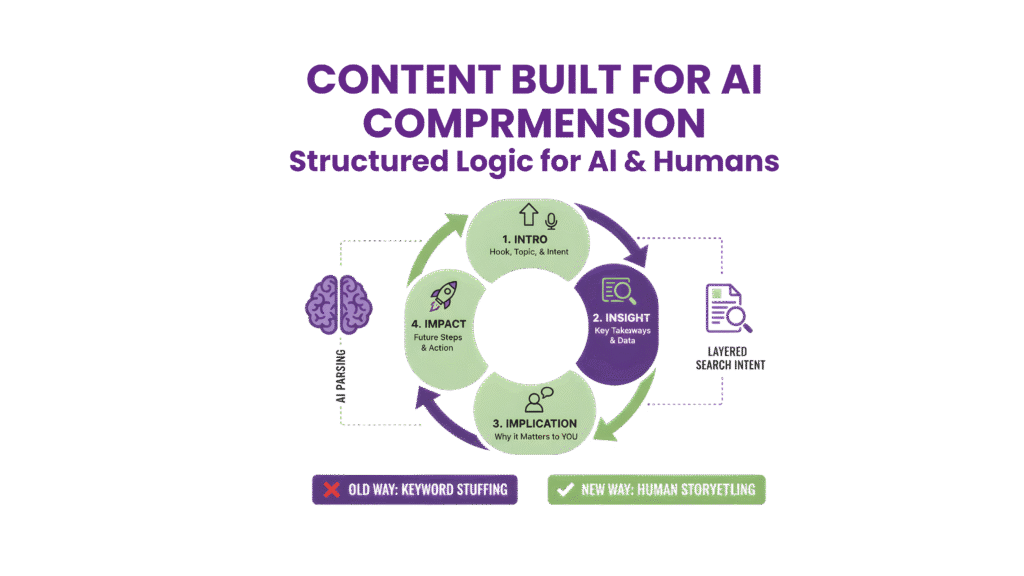
AI parsing is semantic, not syntactic.
Your post should answer layered search intent when it comes to guest posting services.
To do so, paid guest posting services channelise sources like question-based subheads, contextual examples, and reader-centred insights.
AI prioritises articles that help users progress, not scroll. Having a structured logic, covering bases like intro, insight, implication, and impact, is an absolute necessity today. It mirrors how Google’s AI extracts meaning for snippets and summaries.
The more natural and human your storytelling is, the more machine-readable your structure becomes.
4. Integrate Topical Authority Layers
Guest posting works best when each post feeds a larger narrative web.
Internal linking to owned assets, consistent author bios, and entity mentions like brands, products, and research are the components that form this web.
This layered architecture signals continuity of expertise for B2B brands. It tells AI that the same credible voice appears across multiple ecosystems. Over time, this creates brand-level trust. Such reliability at scale is harder to disrupt than any single post’s ranking.
For guest posting & blogger outreach services, integrating guest posting into SEO content marketing and white-label link-building programs compounds these signals. It also creates a durable topical moat.
5. Track AI-Facing Performance Signals
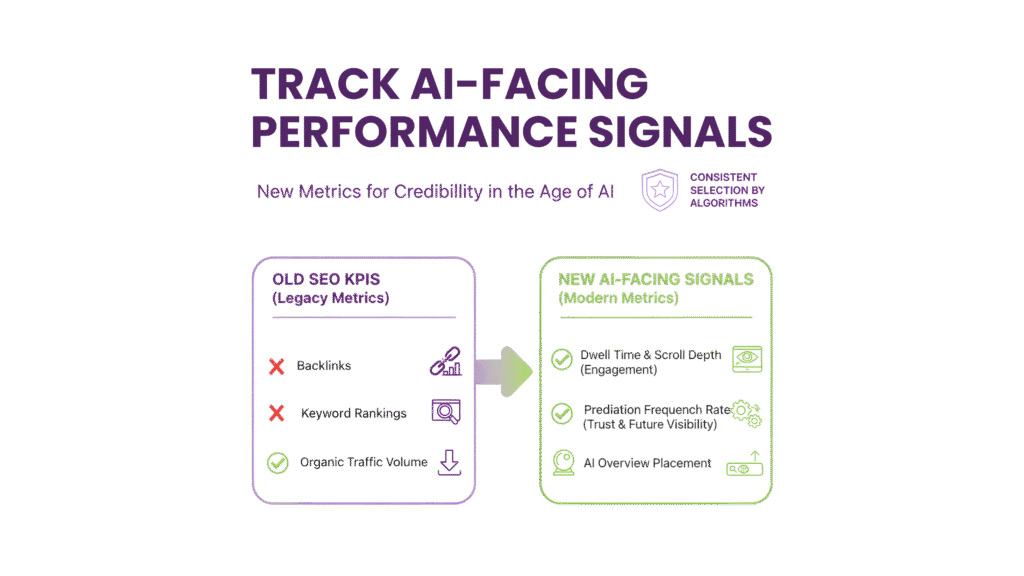
AI visibility metrics differ from legacy SEO KPIs.
Beyond backlinks, brands should look for engagement proxies like dwell time, scroll depth, and contextual click-through rates. AI also measures the co-citation frequency of your account. It assesses how often your brand appears near trusted industry entities.
For these reasons, it is important to track AI-facing signals and performance. Marketing guest posts use this data to refine outreach tone, topic mix, and content cadence.
This is where predictive analytics play a key role. They use modelling keyword clusters likely to gain AI Overview placement or sustained ranking visibility.
The goal isn’t just to be seen but to be consistently selected by algorithms curating credible sources.
Guest posting is no longer a transactional exchange. It’s a narrative alignment strategy.
For B2B brands, this means evolving from link-seller partnerships to content co-creation. Predictive analytics can forecast keyword and entity performance, allowing you to time releases around algorithmic surges.
Paid guest posting services like Fastlinko should be used to reach premium audiences, not manipulate rankings.
AI tools may guide discovery, but human editors must protect tone, empathy, and contextual truth. The future belongs to hybrid teams that merge data intelligence with editorial discipline.
Campaigns built on authentic contribution rather than keyword density are the ones Google AI now champions. They read like thought leadership but function like technical assets, optimised for comprehension, credibility, and conversion.
When intent, authority, and narrative merge, brands achieve the rare balance. A guest post that not only ranks but influences.
Guest posting connects content marketing with link-building goals. Instead of chasing volume, brands now focus on quality placements that attract genuine readers. When done right, these posts drive referral traffic and signal authenticity to Google’s ranking systems.
The best-performing guest posts focus on relevance and context. They align with search intent, use natural anchors, and deliver clear value to the reader. AI-driven search now rewards clarity, topical focus, and original insight over keyword repetition or promotional tone.
It should offer insight, data, and clarity. A structured introduction, logical flow, and credible sources make it more trustworthy. Subtle brand context, when woven naturally into the story, helps the post feel authentic and boosts user engagement.
Go beyond link counts. They track improvements in organic traffic, keyword visibility, and referral engagement. Effective guest post campaigns increase brand credibility, attract meaningful visitors, and create compounding SEO value that lasts longer than paid visibility.
