
How US Agencies Use Guest Posting to Build Authority for Clients
January 30, 2026


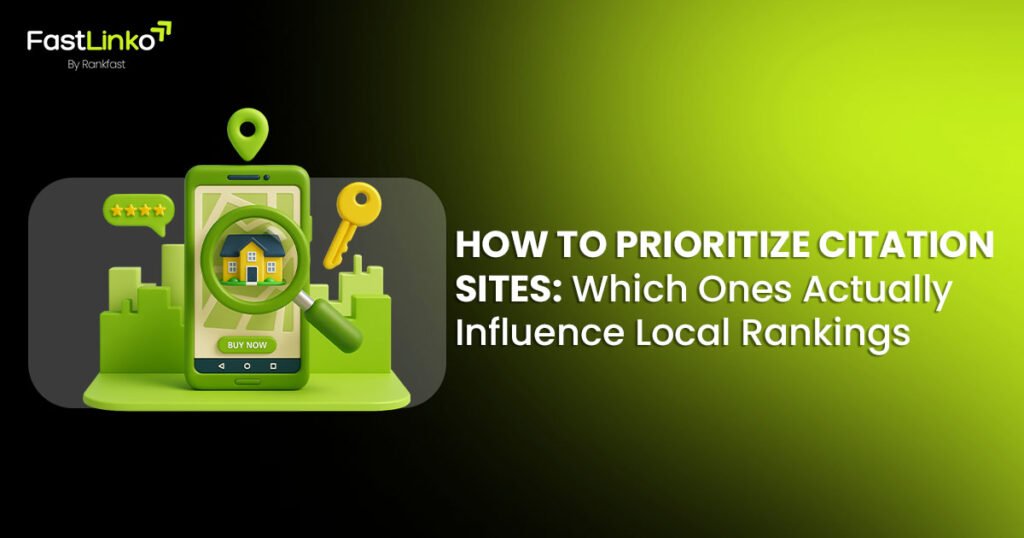

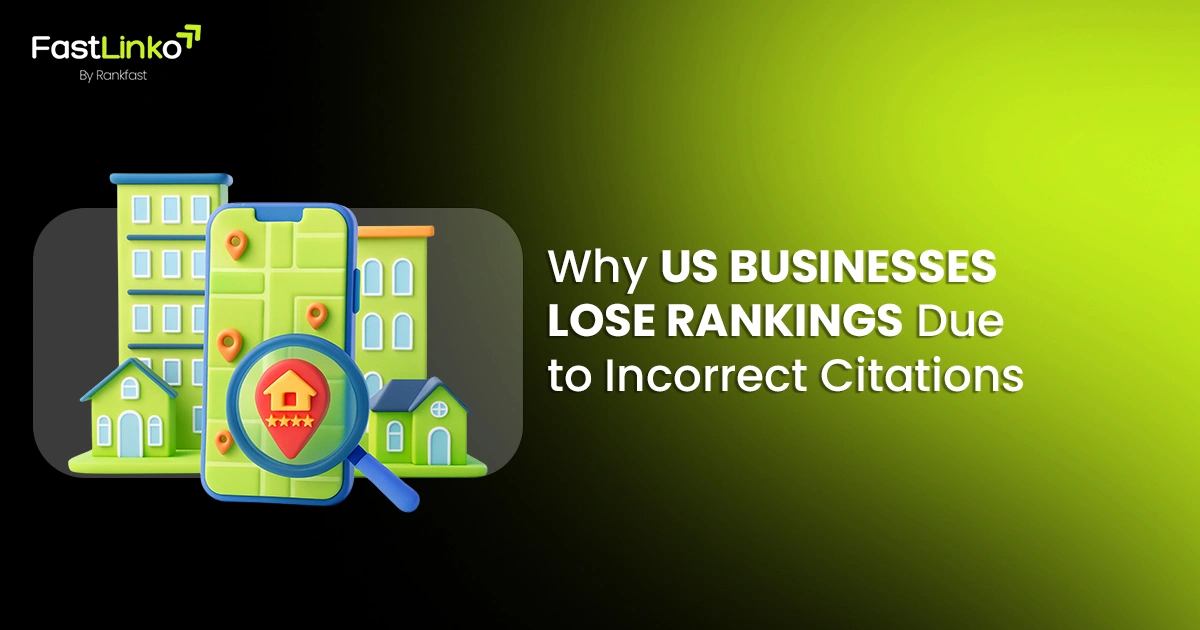
Citations are one of the simplest parts of Local SEO, yet they still shape how search engines judge a business. A citation is just your name, address, and phone number listed on another site. It seems small, but that consistency helps confirm your legitimacy and location. Even with AI-driven search and new ranking signals, this basic layer of trust still holds weight.
Many people claim “citations don’t matter anymore,” but local citations comprise 8% of ranking factors. The real shift is in how they matter. You don’t need dozens of random listings. You need the best citation sites that search engines already trust.
The reality is that hundreds of local citation sites exist, and many businesses are unsure of which ones to choose. Not all carry the same level of ranking power; some can even be detrimental to your success. This blog explains which ones truly improve your rankings and how to make them work for you.
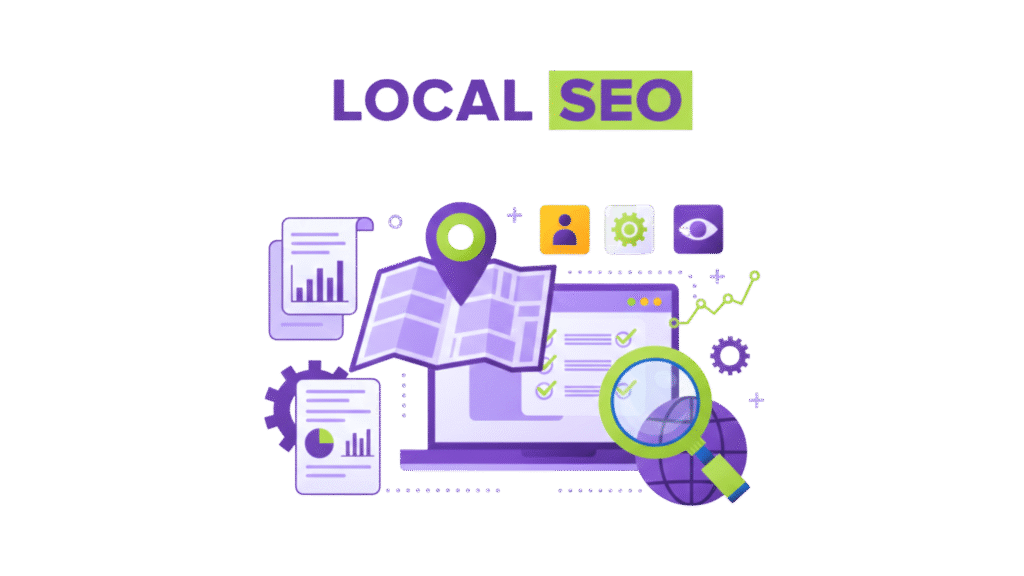
Citations are still the most important factor in local search, and it’s because they help search engines understand who you are and if your information is reliable. They sound simple, but they have a great impact. Let us understand.
A citation is a reference to your business’s NAP (name, address, and phone number) featured on other websites. If information is consistently available across the web, Google sees it as validation that you are a real business with a real locale.
There are two types of citations:
Both matter, but they help in slightly different ways.
Google relies heavily on entity validation today. With spam, duplicates and AI-generated noise, Google requires definitive signals that a real business is operating. Clean citations can help.

They facilitate:
If your information is consistent across reputable local citation sites, Google is more likely to see your business as legitimate. In turn, that legitimacy can boost Map Pack presence, especially in highly competitive areas.
It’s easy to confuse citations with backlinks, but they influence rankings in very different ways. A backlink boosts authority. A citation boosts accuracy. You need both.
Backlinks help your site rise in broader search results. Citations help Google confirm your existence, your category, and your location. The best citation sites strengthen that trust and ensure your ranking influence is supported by reliable business information.
Together, they create a foundation that modern Local SEO depends on.
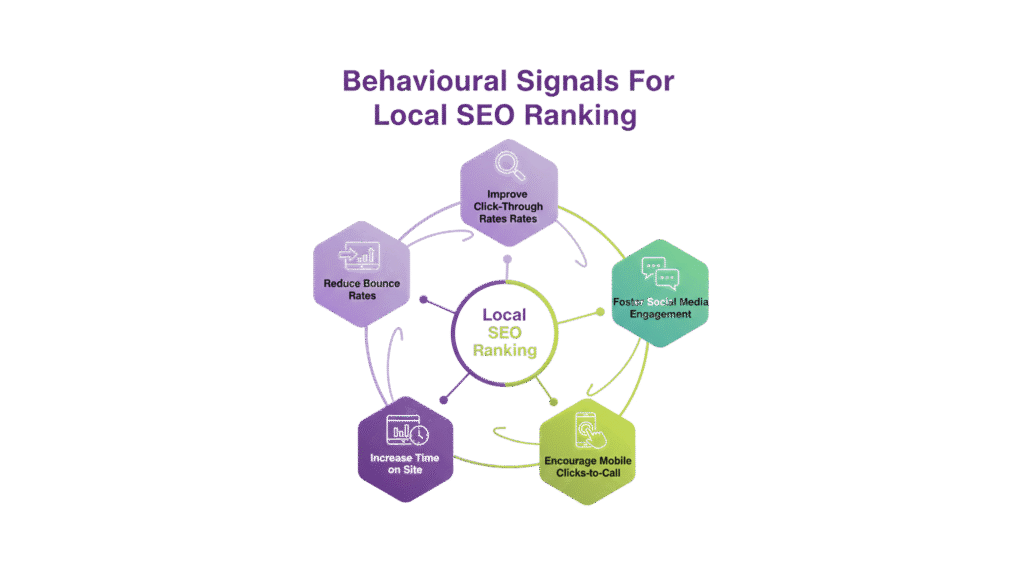
Not every directory or listing site supports your visibility. Some help a lot. Some do nothing. And a few can even hurt your presence by creating messy, conflicting business data. To know which ones to use, you need to understand what actually makes a local citation site valuable. Businesses must judge local citation sites through relevance, authority, and consistency to understand their real ranking influence. Here are the factors that truly matter in 2026.
A citation from a strong, well-known website usually carries more weight. High-authority platforms pass clearer signals of trust and legitimacy to search engines. But DA alone isn’t enough. Some high-authority sites barely influence local rankings because they’re not focused on local businesses. Think of DA as a bonus, not the deciding factor.
The best citation sites blend authority with relevance. That combination strengthens your local authority far more than raw domain metrics.
This is where many businesses overlook easy wins. City-based directories, local business chambers, neighbourhood guides, and regional platforms often have a powerful hyperlocal impact. They help Google understand exactly where you operate.
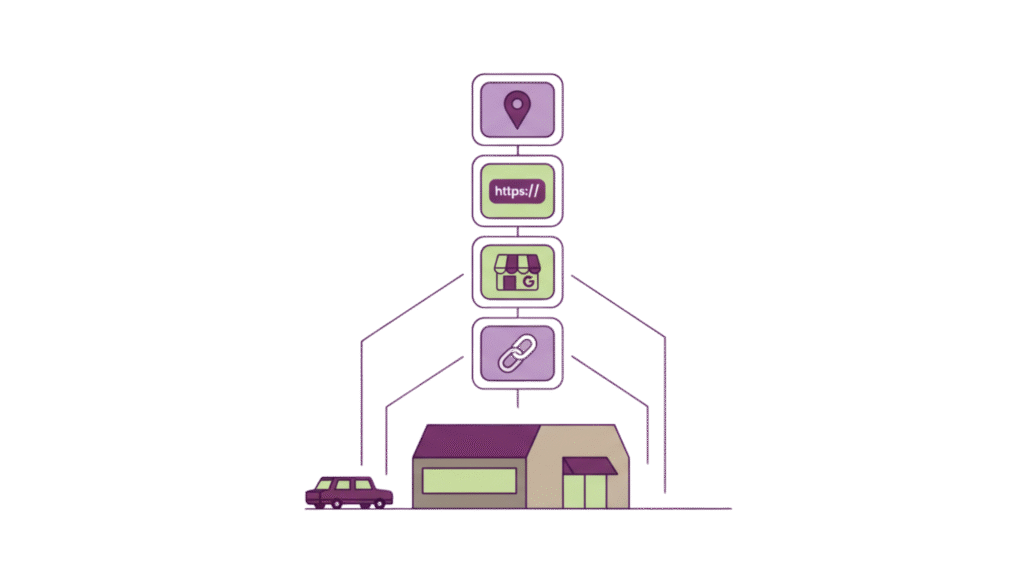
Niche directories are even stronger. A dentist listed on a respected dental directory will see better validation than one buried on a generic list. Industry relevance tells Google, “This business belongs in this category,” which builds trust fast.
A citation only works when the information is clean. Sites trusted by data aggregators carry huge weight because Google often uses them to cross-check your details. Accuracy across these key platforms signals stability.
On the flip side, spammy or low-quality directories can do damage. Too many of those muddy your data, confuse Google, and weaken your local authority. Quality beats quantity every time.
Search engines pay attention to platforms people actually use. A directory with genuine reviews, active listings, and local engagement naturally sends stronger trust signals. These sites feel alive and not like the “dead directories” that exist only to sell listings.
If real customers browse a platform, Google sees it as credible. That credibility amplifies the value of your citation.
Even the best citation loses power if the information is inconsistent. If your name, address, or phone number (NAP) appears differently across different sites, Google becomes unsure, and your ranking influence drops. Consistency is everything.
Crawl frequency matters too. When Google re-crawls a trusted site often, your updates get noticed faster. Slow, outdated directories don’t help much because your changes sit untouched for months.
When you evaluate citation sites using these five factors, you focus on the ones that truly strengthen your presence. That’s how you build local authority without wasting time on directories that never move the needle.
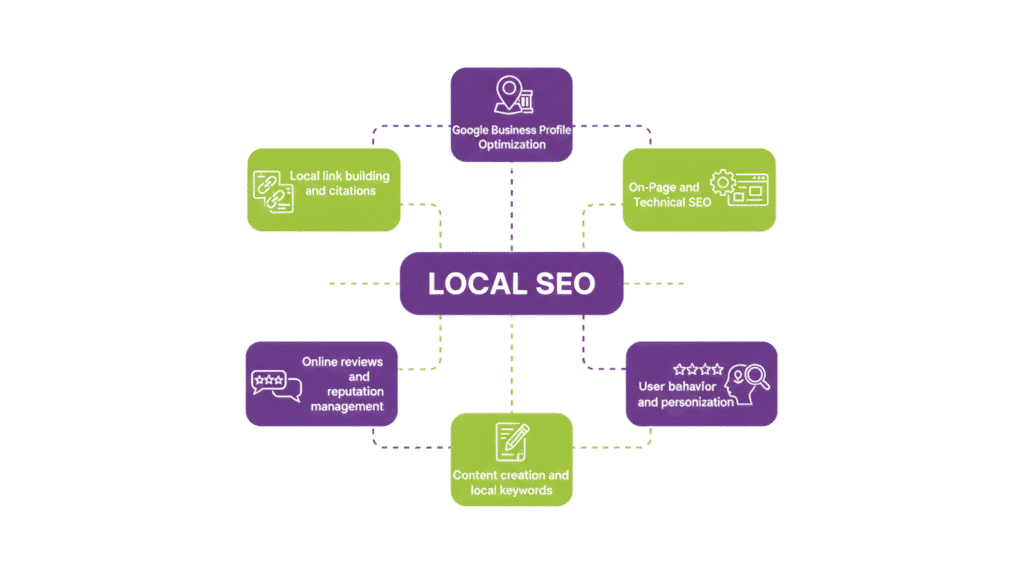
Not all citation sites carry the same weight, and that’s where most businesses get confused. Some listings help your visibility immediately. Some help slowly in the background. Others barely matter at all. To make things easier, you can group the entire citation ecosystem into four clear tiers. Once you understand these tiers, it becomes much easier to prioritize your efforts and avoid wasting time on directories that add no value.
Here is a breakdown of which citation sites deserve your attention first and why.
These are the heavy hitters and the best citation sites every brand should build before touching anything else. They’re trusted worldwide, used by millions daily, and recognized by every major search engine. Think of them as the pillars of your business identity online.
Examples include:
These platforms carry the strongest ranking influence for two simple reasons. First, they act as direct sources of truth. Google and other engines rely on them to verify your name, address, phone number, and category. Second, these sites get crawled constantly. Any updates you make are recognized faster, which improves your local authority.
These should be the first best citation sites every brand builds because they do the most work with the least effort. Miss these, and everything else becomes harder, even if you list yourself everywhere else.
Data aggregators don’t look as flashy as big-name platforms, but they are essential for spreading your information across the web. They act like distribution hubs. Add your business once, and they push your data to hundreds of local citation sites, apps, map services, and GPS systems.
Key aggregators include:
When you submit your information to these providers, your details travel far beyond the directory world. They help power voice search, navigation apps, car systems, and regional business indexes. This matters because Google cross-checks your information from multiple sources. When everything matches, your local identity becomes stronger and more trustworthy.
Submitting to data aggregators is one of the simplest ways to fix inconsistent citations and protect your ranking influence at scale. If you skip them, you spend years cleaning up details one site at a time.
This tier is where things get interesting. Niche directories often deliver stronger trust signals than many big national directories. Why? Because relevance is its own form of authority.
A few examples:
These sites help Google understand what you do, not just where you are. A law firm listed on Avvo instantly looks more credible than one listed on a generic directory. A restaurant on TripAdvisor or Zomato signals real activity and real reviews, something Google values highly.
For many industries, niche directories are the best citation sites because they deliver direct ranking influence and trust. They connect you with the exact audience you serve and support your authority in a way general directories can’t match.
These citations don’t always have the biggest domain authority, but they have something even more powerful: location relevance.
Examples include:
These platforms show Google that your business is genuinely part of a specific community. When a search engine sees your name appear on local government pages, city guides, neighbourhood sites, and official associations, it strengthens your hyperlocal credibility.
This tier is especially important for improving Map Pack rankings. National directories help with broad trust. Local directories help with street-level relevance. If you want to dominate local queries like “near me” or “[service] in [city],” this tier can move the needle faster than you might expect.
Auditing your citations isn’t glamorous work, but it’s one of the fastest ways to strengthen your visibility. Clean, accurate listings help search engines trust your business, while outdated ones quietly chip away at your local authority. Here’s a simple, human-friendly way to check what you already have and fix the issues that hold you back.
Start by pulling all your listings into one report. Tools make this far easier than checking sites manually.
You can use:
These tools scan major local citation sites and uncover duplicates, old listings, or places where your details aren’t complete. BrightLocal’s recent Business Listing Visibility Study even found that business directories now make up 31% of local-intent organic search results, which shows why these checks matter.
Look closely at your NAP details: name, address, phone. Even small differences like “Street” vs “St.” can confuse search engines over time.
Common issues include:
These mismatches weaken your ranking influence because search engines aren’t sure which version of your business is correct. Once everything matches, your presence becomes clearer and far more trustworthy.
Not every listing is worth keeping. Go through each one and check four things:
This helps you see which listings support your citations for SEO and which ones add noise. It also shows where the best citation sites still need to be added.
A simple audit like this gives you a cleaner foundation and a more confident path toward stronger rankings.
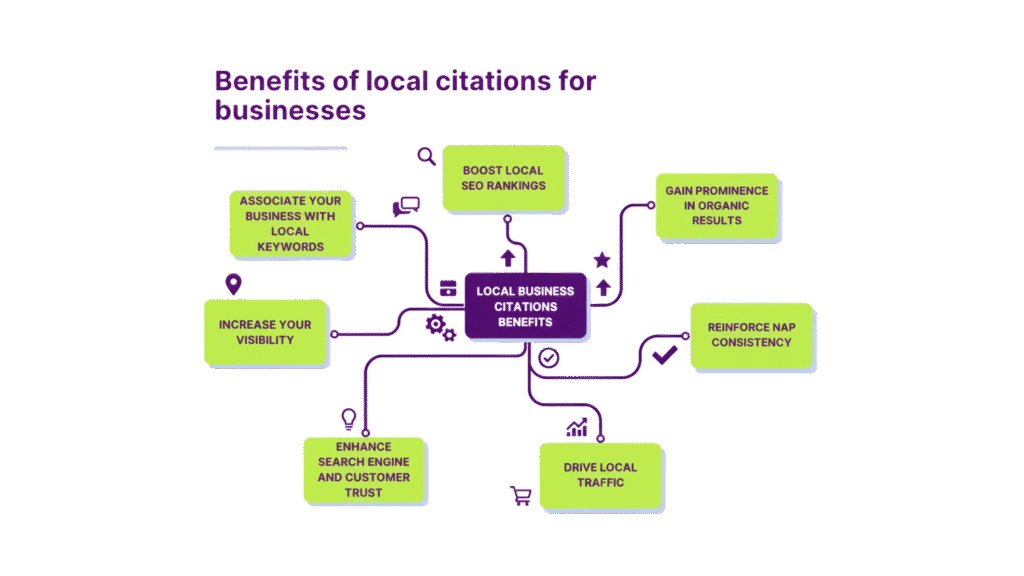
Citations have been part of Local SEO for years, but the way they influence rankings is often misunderstood. They don’t act like backlinks, and they don’t push you to the top on their own. Instead, citations strengthen the signals Google uses to confirm who you are, where you’re located, and whether you’re a trustworthy business. When these signals line up, your visibility becomes much stronger and far more stable.
Search engines deal with an enormous amount of spam, so they rely on trusted data points to figure out which businesses are real. When your name, address, and phone number appear consistently across reputable sites, Google can verify your identity more easily.
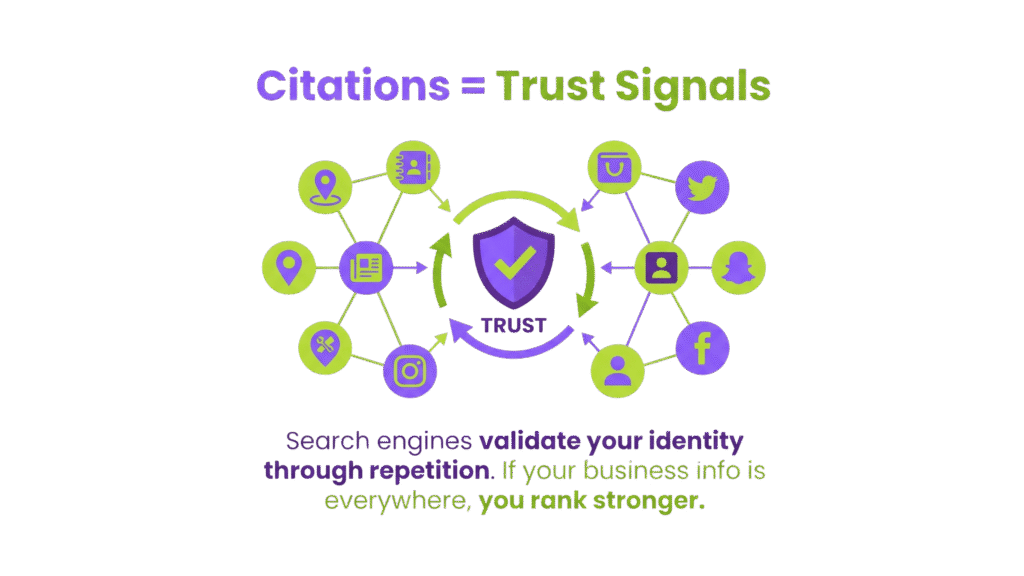
This reduces doubt, confirms legitimacy, and helps you stand apart from fake or low-quality listings. The more accurate your citations, the clearer your business profile becomes.
Local rankings, especially in the Map Pack, depend heavily on trust and clarity. Citations help Google match your location to the right service categories, which improves your local pack “confidence score.” When Google is certain about what you do and where you operate, it’s more comfortable showing you to nearby searchers. This is why consistent citations often correlate with stronger Map Pack performance.
Every accurate listing acts like a small reinforcement of your business entity. When Google sees your details repeated across strong platforms, your local authority grows. This matters even more in 2026, because AI-driven search relies on clean business data to understand and recommend local brands. Consistent citations help both search engines and AI tools interpret your identity correctly.
Local results can shift quickly, especially in competitive markets. Citations add stability. When your information is consistent across the web, Google doesn’t have to guess which version is right. That consistency creates a steady foundation, reducing big ranking swings and helping your visibility stay predictable over time.
Managing citations in 2026 is less about volume and more about care. Search engines want accuracy, trust, and relevance, so your approach should reflect that. Here are the best practices for managing citations in 2026:
In 2026, the truth is simple: not all citations matter. What moves the needle is a focused, strategic approach. Prioritize Tier 1 platforms, data aggregators, and the niche and local directories that truly match your business. Quality, relevance, and accuracy matter far more than quantity. When your citations are well-chosen and consistent, your local authority strengthens, and your Map Pack visibility improves naturally.
If you want help identifying the right platforms for your industry, Fastlinko can build and manage citations that genuinely influence rankings.
Local citation sites strengthen your ranking influence by confirming your business identity (NAP), supporting Map Pack signals, and reinforcing your geographic relevance. When your information appears consistently on reputable local directories, Google becomes more confident about your location and legitimacy, resulting in improved visibility.
Yes. Citations now make up around 8% of local ranking factors, and while they don’t hold the same weight as backlinks, they remain crucial for entity validation, spam identification, and local trust building. With AI-driven search, clean citations are even more important for proving your business is real and accurately located.
Quality matters more than quantity. A strong strategy focuses on:
Local directories tied to your city or region
Listing on dozens of low-value directories won’t boost rankings and can even create data inconsistency issues.
When auditing citations, check for:
Duplicate listings that may confuse Google
Tools like BrightLocal, Whitespark, and Semrush Listing Management can help identify errors and track citation accuracy across the web.
