
How US Agencies Use Guest Posting to Build Authority for Clients
January 30, 2026







Press releases continue to influence media coverage, shape public perception, and strengthen organic brand visibility across competitive industries. Even as social platforms and owned content evolve, journalists still depend on structured, news-driven releases to verify facts and identify credible stories.
The challenge is the growing pressure inside newsrooms. Teams are smaller, deadlines are tighter, and the volume of inbound pitches is higher than ever. According to the 2024 Cision State of the Media Report, 68 percent of journalists say they have less time to research stories than they did in previous years, which directly affects how quickly they screen press releases. overflowing with hundreds of pitches daily, journalists make near-instant decisions, often rejecting or ignoring releases that fail to deliver clarity, relevance, or immediate value.
This creates a tough truth for brands. A press release is competing not only with the news cycle but also with dozens of companies attempting to secure the same attention within the same timeframe. The releases that succeed are the ones that follow the patterns journalists prefer, stay aligned with newsroom expectations, and present information in a way that highlights immediate relevance and credibility.
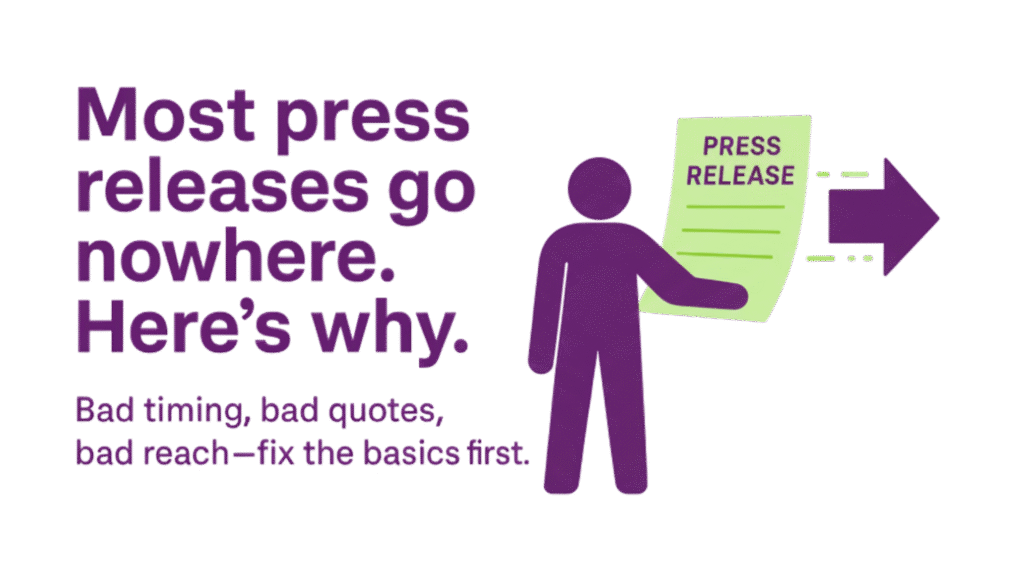
Before understanding what journalists want, you need a clear understanding of why many releases never get picked up. The majority of press releases fail for reasons that are entirely predictable.
Most newsroom professionals cite the same problems:
A press release is fundamentally a news document, not a sales pitch or a marketing article. Journalists expect it to provide clear, factual building blocks they can turn into a story that serves their audience. When a release sounds promotional, most reporters immediately dismiss it because it feels biased rather than newsworthy.
When it is unclear or lacks essential details, they will not take the extra time to investigate further. Modern newsrooms operate under heavy time pressure, and the pace is accelerating. Research from Pew shows that more than half of newsroom employees say their workloads have increased while staff sizes have decreased, tightening the window journalists have to evaluate incoming information.
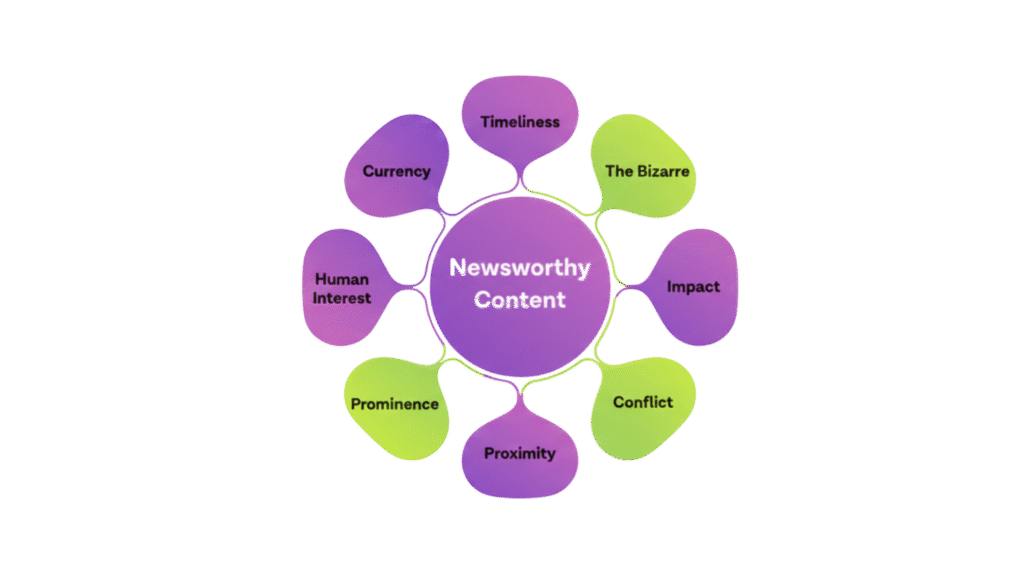
The angle is the first thing journalists look for. It determines whether the story is worth their time and whether it connects to something larger than your brand. If the announcement does not answer why this matters right now, it will not make it past the first scan.
Journalists look for announcements tied to:
For example, announcing a new product rarely gets attention unless the product solves a timely challenge or represents a measurable shift in the category. A new partnership sounds impressive internally, but journalists want to know what the partnership changes externally. The angle must highlight impact, urgency, or relevance. Without these, your press release will blend into the background.

Your headline determines whether anyone reads the next line. Journalists skim extremely quickly. If the headline does not deliver a clear promise, your press release loses its chance.
Strong headlines are:
Journalists often receive headlines written from an internal marketing perspective. Those headlines focus on showcasing the company rather than the story. A journalist wants to understand what happened, why it matters, and who is impacted. When the headline signals a genuine story, you earn a chance for deeper consideration.
If the headline earns attention, the first paragraph must reinforce it quickly. This paragraph should answer the core questions journalists use when evaluating relevance. These include who is making the announcement, what the news is, where it applies, when it takes effect, and why the information matters.
Journalists will not dig around a long press release to find these details. They expect them upfront. If the first paragraph buries the information behind corporate language, the release loses credibility. The most effective first paragraphs read like a clear news summary that any editor could adapt into a short article with minimal revision.
Credibility is central in newsroom decision-making. If your announcement makes claims without evidence, journalists have to verify those claims themselves. Most do not have the time. Credible data increases trust and makes it easier for journalists to include your story.
Sources journalists trust include:
Avoid broad claims such as major growth or significant expansion because they do not give journalists anything concrete to work with. Reporters look for numbers, timelines, comparisons, and verifiable data that strengthen the credibility of a story. For example, stating that your customer base increased 40 percent in twelve months gives them a measurable point they can confidently reference.
Data-backed claims are far more likely to be picked up, especially as accuracy expectations rise across the industry. A study by the Reuters Institute found that trust in news is heavily influenced by the presence of verifiable facts, which makes clarity and evidence essential in every release. When your press release delivers proof, you present yourself as a reliable source that journalists can depend on for future coverage.
Poorly written quotes are one of the biggest frustrations for journalists. Many quotes included in press releases simply repeat the same information already mentioned in the body. Journalists want quotes that offer insight, additional context, or perspective. Strong quotes sound like something someone actually said. They add a viewpoint, show strategic reasoning, or establish credibility.
The best quotes:
The goal is to help journalists incorporate a real voice into the article. When quotes add value, journalists are far more likely to cover the news.
Journalists know that audiences respond to human-centered stories. A press release that includes customer outcomes, user experiences, community support, or personal narratives gives journalists more material to work with. It helps them write compelling stories that go beyond the facts of the announcement.
For example, a new healthcare platform is more compelling when paired with a story about families who can now access services faster or more affordably. Human centered context helps journalists envision how to adapt the release into a feature, not just a brief.
Newsrooms move quickly, so formatting matters. A press release that feels cluttered or confusing slows journalists down, which reduces coverage chances. Your layout should help them process details with minimal effort.
A professional structure includes:
Short paragraphs and clean spacing help ensure readability. Journalists appreciate copy that feels balanced, organized, and easy to extract information from.
Journalists immediately reject press releases filled with excessive adjectives, self-praise, or exaggerated claims. Anything that sounds promotional feels untrustworthy. Journalists expect a neutral tone that resembles a news report rather than a sales pitch.
Avoid empty phrases like world-class, top tier, or best in the industry. Replace them with facts and measurable accomplishments. A journalist might rewrite certain parts, but they still rely heavily on the language you provide. Clear, direct, factual writing positions your announcement as credible and useful.
Press releases that come with supporting materials are more appealing because they reduce additional work for journalists. Assets that help tell the story include:
Many newsrooms ask for visuals to increase engagement. By providing assets, you make your story easier to publish. Journalists appreciate press releases that help them work faster and build richer articles.
One of the most common complaints from journalists is that many press releases list generic email addresses, outdated phone numbers, or unresponsive media contacts. Journalists work on deadlines, so they need access to someone who can answer questions immediately.
Your press release should include:
When journalists know who to contact, the likelihood of coverage increases because they can clarify details with minimal effort.
You can produce a well-written press release, but if it reaches journalists who do not cover your topic, it will be dismissed immediately. Relevance is one of the first screening steps reporters use when deciding which pitches to open. A technology journalist will not cover a new restaurant, and a sports reporter will not write about an enterprise acquisition. This is why targeted distribution matters.
Studies support this behavior. According to a Muck Rack State of Journalism Report, over seventy percent of journalists say the majority of pitches they receive are irrelevant to their beat, which is one of the main reasons pitches are ignored.
Optimized press release services solve this gap by categorizing your announcement by industry, audience, and subject matter. They match your release with journalists who consistently publish related stories, improving the likelihood that your news gets noticed and earns coverage.
Newsrooms operate with limited time, limited staff, and high content demands. A Reuters Institute study showed that many journalists now produce double the stories they did a decade ago. This pressure shapes how journalists evaluate press releases. They want stories that require minimal rewrites, provide dependable data, and align with reader expectations.
When your release aligns with newsroom standards, you reduce friction and make it easy for journalists to convert your content into publishable stories. That is why the principles in this checklist matter. They are not preferences. They are survival needs in modern journalism.
Many press releases are ignored because they contain promotional language rather than real news. Journalists want factual information, credible data, and angles that matter to the public. When a release feels like an advertisement or uses vague claims, it loses trust. Relevance is another reason for rejection, since a strong release sent to the wrong journalist holds no value.
Yes, press releases remain a key information source for newsrooms, even though the media landscape has changed. Journalists use releases to verify facts, identify trends, and discover company announcements. What has changed is the level of scrutiny and speed at which they filter through submissions. A release that follows professional standards has a far better chance of being used in articles or broadcast segments.
Most journalists prefer a release that stays between 400 and 700 words. This length provides enough information to explain the news without overwhelming the reader. Press releases that exceed this length often dilute the core angle or bury essential details. However, journalists will read longer releases if the information is meaningful and clearly organized.
Journalists trust data that comes from reputable studies, surveys, internal analytics with clear methodology, or government and academic reports. Specific numbers help support the story and give journalists something to cite. Data without context is less valuable, so it is important to explain what the numbers reveal. When the data is both accurate and relevant, it increases the perceived credibility of the announcement.
Quotes matter because they help journalists bring a human voice into the story. A well-crafted quote explains why the announcement matters, adds insight, and shows leadership perspective. Journalists dislike quotes that simply repeat what has been said elsewhere in the release. When used properly, quotes give depth and help shape the narrative of the final article.
Many journalists appreciate visual assets, especially when they create a richer story. High-quality images, executive headshots, charts, or product photos can make the announcement easier to publish. Newsrooms with tight deadlines value releases that come with ready-to-use materials. Visuals also help meet audience expectations, since many digital articles now require graphic support.
Consistency and accuracy are the two strongest indicators of credibility. Journalists want releases that avoid exaggerated claims and provide verifiable information. Clear sourcing, transparent data, and straightforward language signal trustworthiness. When a company provides factual, concise, and relevant information, journalists are more willing to cover future announcements as well.
