
How US Agencies Use Guest Posting to Build Authority for Clients
January 30, 2026


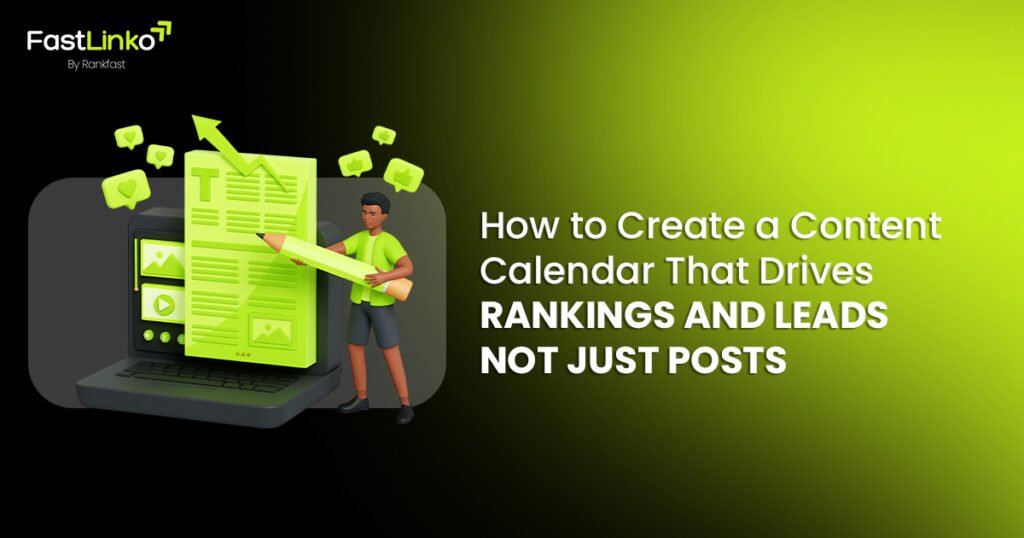


Most brands claim to have a content calendar. Few have one that actually drives revenue. The difference between both lies in structure, planning, keyword intelligence, and the ability to link every single piece of content to measurable business growth. A calendar filled with random blog topics or social post ideas is not a strategy. It is just an activity tracker. On the other hand, a calendar designed around search demand, customer intent, and revenue opportunities becomes a growth engine.
If your business publishes content regularly but still struggles to rank or generate qualified inbound leads, the issue is rarely effort. The real problem is the absence of a structured, data aligned content calendar built for SEO performance. Without a framework that connects search behavior, content planning, and business objectives, brands end up producing posts that do not match demand or intent.
Data reinforces this gap. A Semrush State of Content Marketing Report found that only forty-four percent of brands say their content strategy is data driven, which explains why many publish consistently yet see limited ROI.
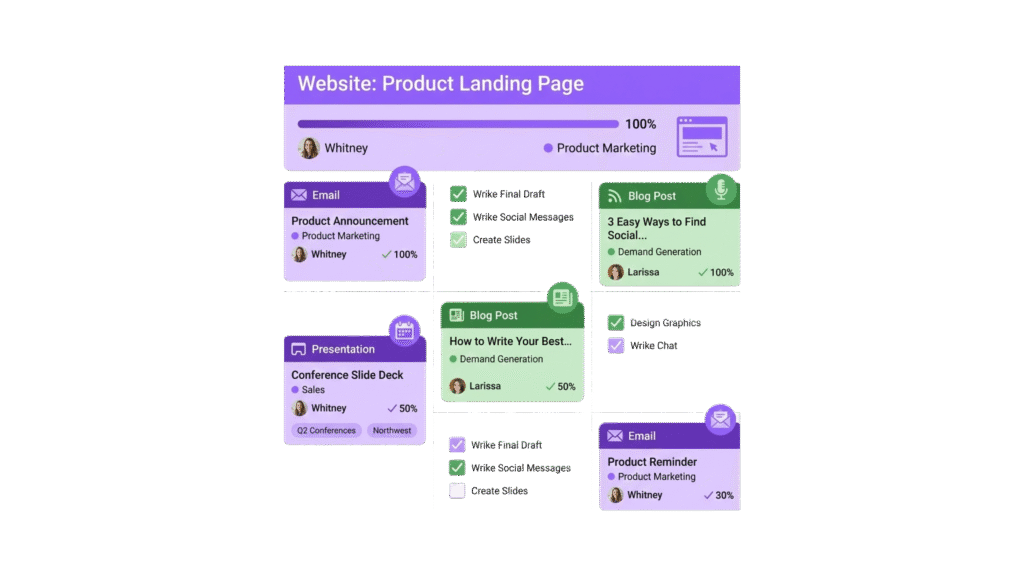
A generic editorial calendar tells you what to post and when to post it. It does not tell you why the content matters, what intent it serves, how it supports rankings, or what conversion target it contributes to. This is why most brands publish for months without seeing measurable results. Their content follows a posting routine, not a revenue strategy.
A content calendar for SEO is different because it is built on keyword planning, search intent mapping, and a clear understanding of how content influences rankings and lead flow. It structures content around core topics that matter to your target audience and to your business. It turns topics into clusters. It assigns links, keywords, outlines, and conversion points. It aligns production with the SEO workflow instead of treating content as an isolated task.
When this structure is in place, your calendar shifts from publishing content for visibility to publishing content for ranking and revenue. It becomes an actionable roadmap that guides your marketing team and supports your sales ecosystem. It also removes the guesswork and repetition that content teams often face because every topic in the calendar has a specific purpose.
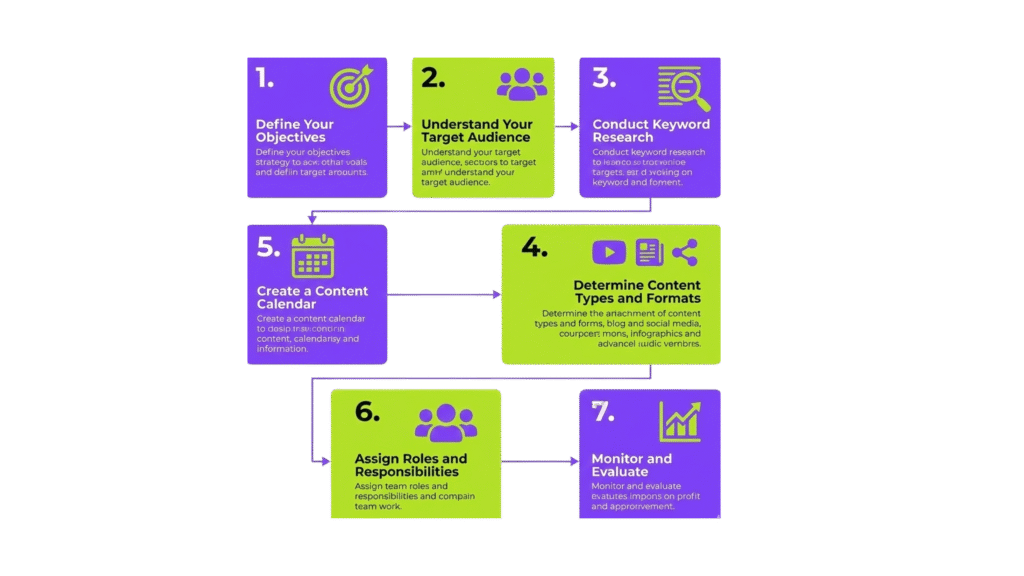
Keyword planning determines whether your content calendar drives measurable rankings or turns into another list of disconnected topics. Effective planning starts by identifying the exact queries your audience searches at every stage of their journey, from early research to high-intent decision-making. These queries shape the structure of your content, helping you prioritize what truly matters instead of relying on assumptions, trends, or internal opinions.
Data support the importance of this approach. According to Ahrefs, more than ninety percent of content gets no organic traffic at all, largely because it is not aligned with real search demand.
Keyword planning also clarifies the difference between awareness queries and conversion-focused queries, ensuring your calendar includes both. This balance is essential because ranking for high-volume terms builds visibility, while ranking for transactional terms drives leads and revenue. A calendar grounded in keyword intelligence gives your content direction, purpose, and long term search potential.
Brand visibility grows when your calendar covers a wide array of informational and research level queries. Lead generation grows when your calendar includes high intent keywords and bottom-funnel assets. The combination of both creates balanced growth. This is why keyword planning is not just a research task. It is the base layer of a strong content calendar.
The process must also extend beyond search volume. Volume alone cannot determine value. Search intent, keyword difficulty, commercial relevance, SERP behavior, and competitive depth must be evaluated before placing a keyword into the calendar.
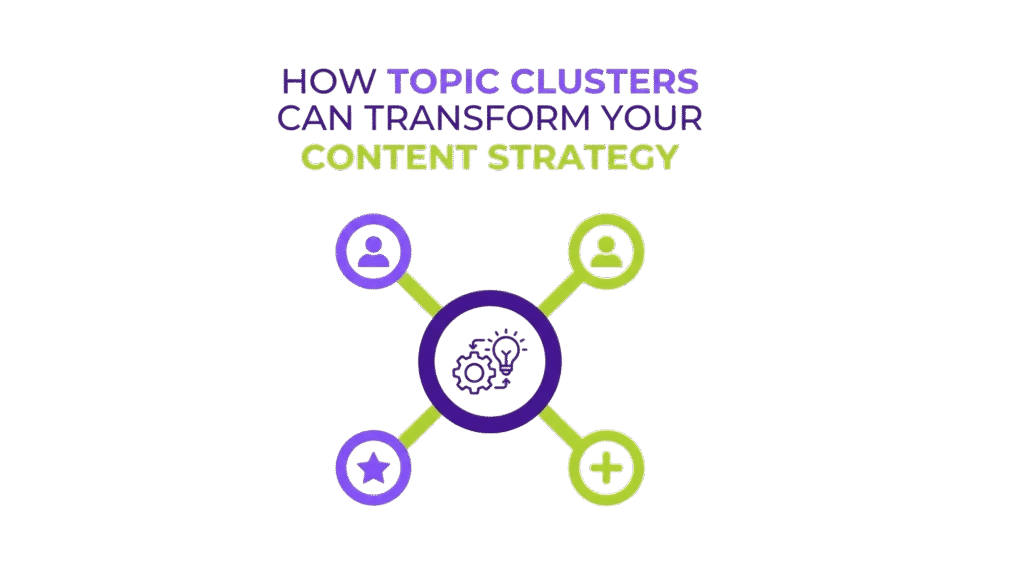
High performing brands no longer publish isolated blogs. They create systems of interconnected content pieces that build authority around a core topic. This structure is known as a topic cluster. A cluster contains a main page that acts as the authority hub and multiple supporting pages that cover related subtopics.
Search engines increasingly reward structured topical networks because they signal depth, clarity, and subject matter expertise. When your content calendar is organized around topic clusters, you create stronger internal relevance patterns that help your pages support each other. Instead of publishing disconnected articles, you build a system where every piece strengthens the overall theme and contributes to long term visibility.
Research reinforces this approach. A Backlinko study found that pages with strong internal linking structures are crawled more efficiently and tend to perform better in search results, especially when they sit inside well organized content groups.
Multi page clusters also help solve a persistent challenge in organic search. Google often distributes visibility across several related pages rather than allowing a single article to dominate. This means your calendar should not rely on one flagship piece. It should create multiple assets targeting related queries, increasing your chances of earning clicks across different entry points. A cluster based calendar builds resilience, authority, and predictable ranking opportunities.
This shift also turns your calendar into a long term asset. Topic-cluster content maintains ranking stability longer than standalone blog posts because search engines trust the subject authority. When you create clusters consistently, your visibility compounds.
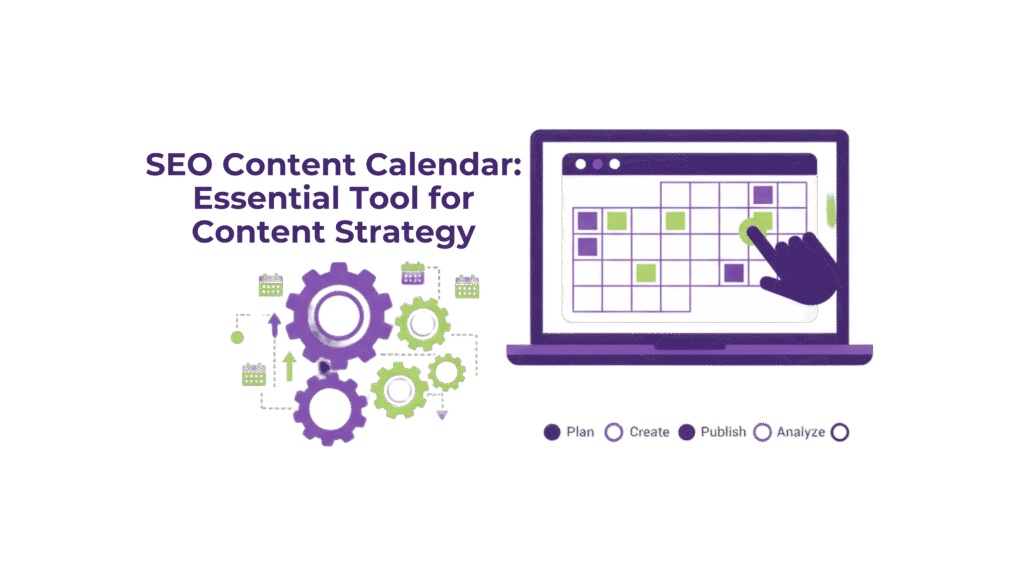
Publishing content without integrating SEO is one of the biggest reasons brands fail to rank. A content calendar only works when each stage of the workflow is integrated. This includes:
Without linking content planning to each stage of the SEO workflow, your calendar becomes a disconnected effort. For example, publishing dozens of articles with no internal linking or weak metadata will not move rankings. Publishing high quality content without refresh cycles means rankings may fade over time.
The calendar should guide teams through every step. It should assign internal links between pages. It should specify primary and secondary keywords. It should identify target clusters. It should include update cycles for older content. It should also integrate performance monitoring so the calendar drives long term outcomes.
SEO driven calendars are proactive. They work beyond publishing dates. They build ranking stability and consistent visibility over time.
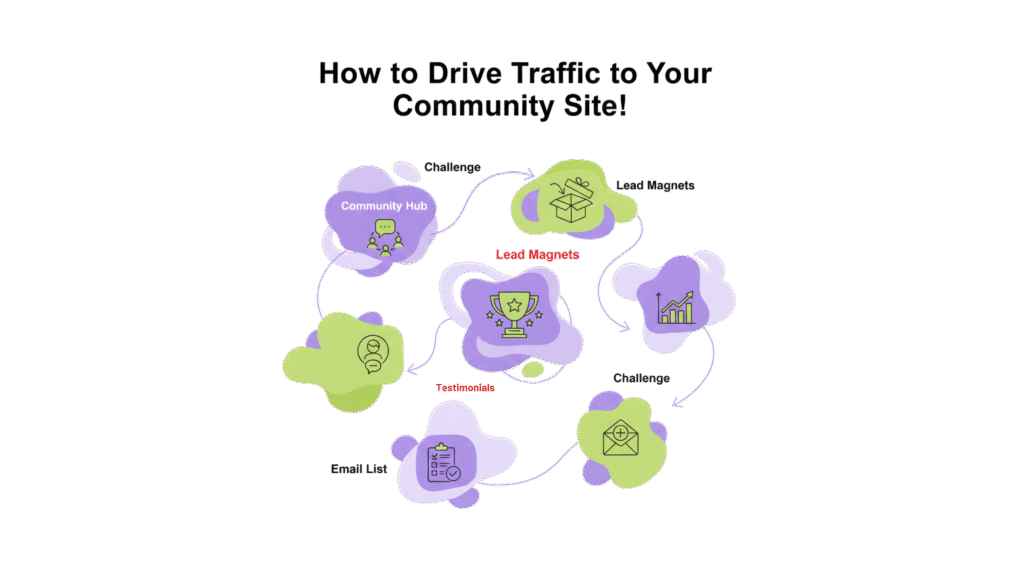
Traffic alone cannot create growth. Many businesses fall into the trap of creating content for high volume keywords only. While traffic may rise, conversions rarely increase because many of these keywords do not match buyer intent.
Lead focused content calendars balance traffic and conversion opportunities. They include bottom funnel content that targets real decision making behavior. These pages attract visitors who are ready for demos, consultations, quotes, or purchases.
Examples of conversion driven content include:
These pieces rarely have high search volume, yet they drive substantial revenue. When your calendar blends both traffic focused content and lead focused content, you build a pipeline that supports awareness and conversion naturally.
A strong calendar also ensures that every high intent page has supporting educational content. This supporting content creates internal link paths that channel authority and improve ranking strength for conversion pages.
A scalable content program needs more than ideas. It needs clarity, structure, and workflow. Editorial planning inside a content calendar focuses on aligning the team and ensuring consistent production.
Editorial planning includes the following considerations:
Teams perform better when they know exactly what the process looks like. Without structure, deadlines slip and content volume becomes inconsistent, which affects SEO results. A predictable editorial process also supports higher quality content because each stage has defined responsibilities.
Experienced content marketing services use editorial frameworks to maintain efficiency. Brands benefit from adapting the same structure internally. When editorial planning is aligned with keyword planning, content quality and ranking performance improve consistently.
Content has a lifecycle. No matter how strong an article is, rankings fluctuate as competitors publish new content, algorithms shift, or search behavior changes. Refresh cycles allow brands to update the content calendar not just with new ideas but also with revised and improved versions of existing content.
Refresh cycles often involve the following adjustments:
Updating content is one of the highest impact activities in the SEO workflow. Google rewards relevance, accuracy, and freshness. When your calendar includes scheduled refresh cycles, you maintain visibility and prevent ranking decay.
The calendar should treat updates with the same importance as new content creation. Many brands see ranking jumps after updating older pieces because the content aligns more closely with search intent and current competition.
Content that generates leads must support sales objectives. Yet, many marketing teams create calendars without involving the sales department. This disconnect leads to content that attracts the wrong audience or content that does not address real buyer concerns.
Collaboration with the sales team helps identify:
When these insights are incorporated into your content calendar, the content becomes more persuasive and conversion focused. It also supports the sales team by giving them assets that nurture prospects.
This collaboration converts the calendar into a cross functional strategy. Content no longer operates in isolation but becomes an important component of the revenue ecosystem.
A successful calendar must include performance tracking. The goal is not to publish content. The goal is to create measurable improvement. Brands that monitor performance regularly outperform those that publish and hope for results.
A content calendar should specify what metrics matter. It should align content pieces with KPIs such as:
Tracking these metrics helps you evaluate whether the calendar is working. It also guides future planning and prevents wasted effort. Measurement allows your calendar to evolve. It transforms content from a publishing schedule into a growth operations system.
Brands that implement structured content calendars experience several advantages:
The calendar becomes the operational engine behind visibility, relevance, and conversions by ensuring every piece of content supports a defined strategic purpose. Instead of publishing reactively, you follow a structured roadmap where each topic contributes to broader SEO and business goals. This turns your content into a coordinated system rather than a series of isolated efforts.
Industry data shows why this matters. A report from Content Marketing Institute found that seventy-eight percent of top performing marketers use a documented content strategy, which includes a structured calendar that guides production and prioritization.
A well planned calendar does far more than organize tasks. It builds long term authority, strengthens positioning in competitive niches, and drives sustainable organic traffic. Most importantly, it elevates content from a recurring activity to a strategic asset that consistently supports growth.
A content calendar built for SEO isn’t just a publishing schedule. It is the operational backbone that keeps strategy, execution, and performance aligned. When every topic is tied to search intent, every piece supports revenue goals, and every workflow moves with clarity, you create more than consistency. You create momentum.
Brands that commit to this structured approach see a clear difference. Rankings grow in a predictable pattern because content is mapped to real demand. Lead quality improves because every asset is created with decision-stage clarity. Production becomes smoother because writers, strategists, and SEO teams follow a unified workflow instead of guessing what comes next.
When a content calendar is built the right way, it becomes one of the most reliable growth engines in your marketing stack. It not only supports your search goals but actively drives leads, revenue, and long-term brand strength.
Most high-performing brands plan at least 60 to 90 days in advance. This gives writers, editors, and SEO teams enough time to research, produce, and optimize content properly. Planning ahead also ensures your team isn’t rushing content just to meet deadlines. If you operate in a competitive niche, planning 4 to 6 months ahead provides even stronger ranking predictability.
No, only keywords that support business goals and align with buyer intent should be included. Many brands waste time targeting keywords that attract traffic but not leads. A strong calendar separates awareness, consideration, and decision-stage topics. This ensures your content doesn’t just rank but contributes to revenue.
Your calendar should be reviewed monthly and updated quarterly. Search trends shift, competitors publish new content, and SERP formats evolve, so your plan must remain flexible. Regular updates help prioritize new keyword opportunities and remove low-value tasks. This process keeps your content aligned with real ranking potential.
Evergreen content drives long-term rankings, while topical content captures short-term spikes. A strong calendar includes both, with evergreen making up the larger percentage. This mix ensures a stable baseline of search traffic while giving your brand timely relevance. The right balance depends on your industry, but evergreen content should anchor the strategy.
There is no universal number, but most growing brands publish between four and twelve pieces per month. The key is consistency and quality, not volume. Publishing more content only works if it is optimized, structured, and aligned with search demand. A calendar helps ensure you don’t sacrifice quality for quantity.
Teams commonly use tools like Google Sheets, Notion, Trello, Asana, or Monday combined with SEO tools like Ahrefs, SEMrush, and Google Search Console. These help track keywords, assign tasks, plan content, and monitor rankings. The tool matters less than having a clear workflow and accountability built in. Choose a platform your team can use daily without friction.
Performance tracking should include rankings, organic traffic quality, lead generation, and revenue contribution. If your calendar is effective, you’ll see growth in non-branded searches, higher engagement metrics, and stronger conversion paths. Over time, your brand should also build deeper topical authority across priority themes. A calendar only works when supported by consistent tracking and optimization.
