
How US Agencies Use Guest Posting to Build Authority for Clients
January 30, 2026



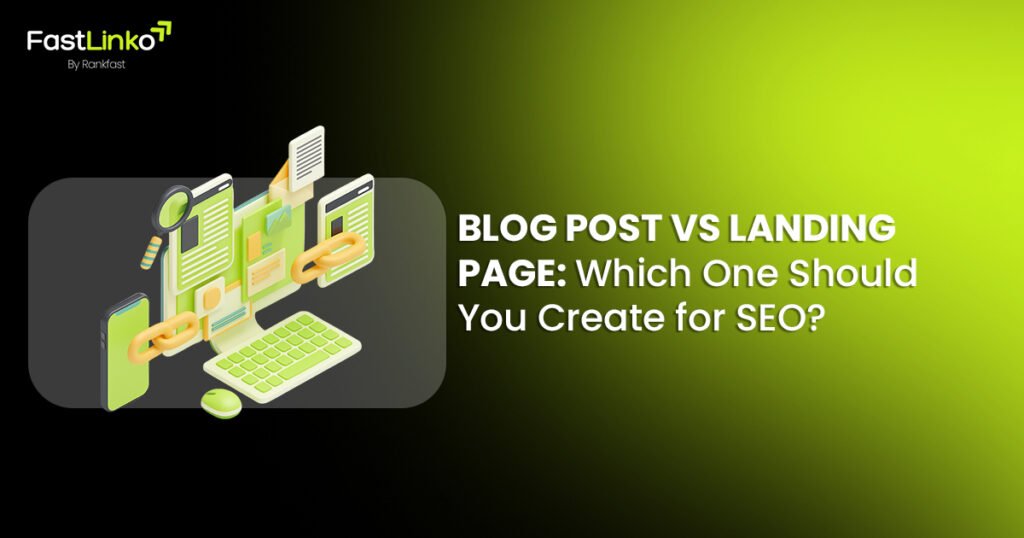

The choice between a blog post vs landing page can shape your digital strategy and significantly affect your marketing funnel. Did you know that businesses with blogs generate 67% more leads than those without? But this doesn’t mean blogs always outperform landing pages in every situation.
Blog posts connect with readers through valuable content. Landing pages serve a different purpose – they guide visitors toward a single action, such as newsletter signups or purchases. Your search intent and conversion goals should determine the best format. Companies that smartly combine blog posts and landing pages see their conversion rates climb by up to 55% compared to those using just one content type.
You should build authority through SEO content marketing services or generate immediate conversions. The key lies in understanding each format’s unique purpose. Here, we will help you choose the right option that matches your business goals and show you how to use both formats effectively in your content marketing for professional services.
Blog posts and landing pages play different but complementary roles in boosting your online visibility through SEO. You need to understand how these content types differ to use each format effectively and reach your marketing goals.
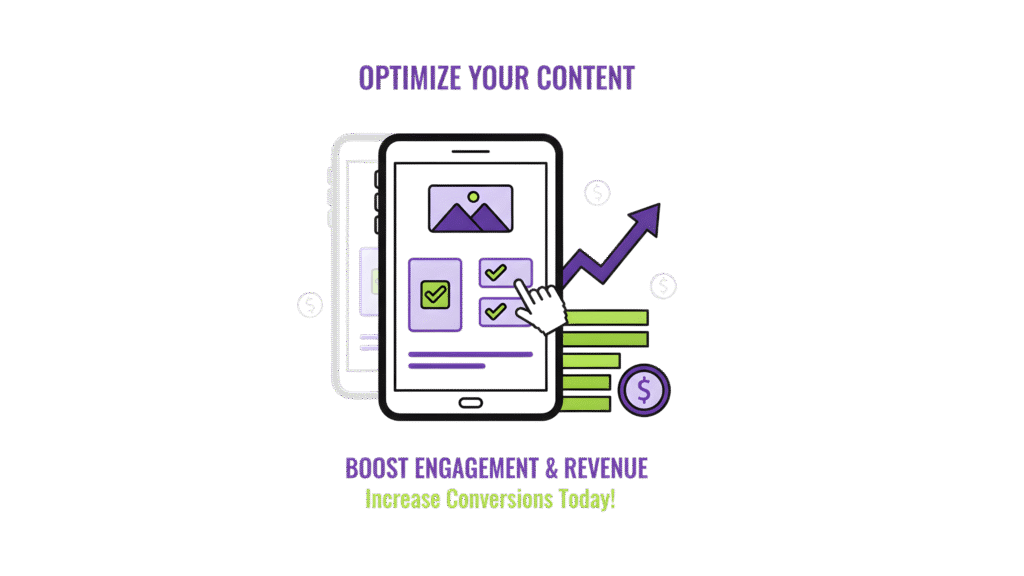
Blog posts work as the educational foundation of your seo content marketing services. They create multiple touchpoints for potential clients looking for information. These posts do more than just increase visibility – they build trust and establish your brand’s authority in your industry.
Regular publishing of high-quality, keyword-rich blog content will boost your online visibility across search engines. Each post gives you a chance to target different keywords in your niche and cast a wider net for organic traffic. Your insightful articles address specific questions and pain points that guide prospects through various marketing funnel stages – from awareness to decision-making.
Blog posts help you build authority within your professional community. You can position your brand as a trusted information source through detailed guides, case studies, and industry analyses. This matters even more for content marketing for professional services, where expertise and trust make all the difference.
Blogs offer several technical SEO benefits:
Landing pages work differently from blogs. They serve as focused conversion tools in your digital toolkit. Their only job is to generate and collect lead information from potential customers at key decision points.
The main difference between a blog post vs landing page comes down to focus. Landing pages target qualified leads using forms with minimal distractions. This focused design helps convert more qualified leads right away and keeps your sales team from chasing unqualified prospects.
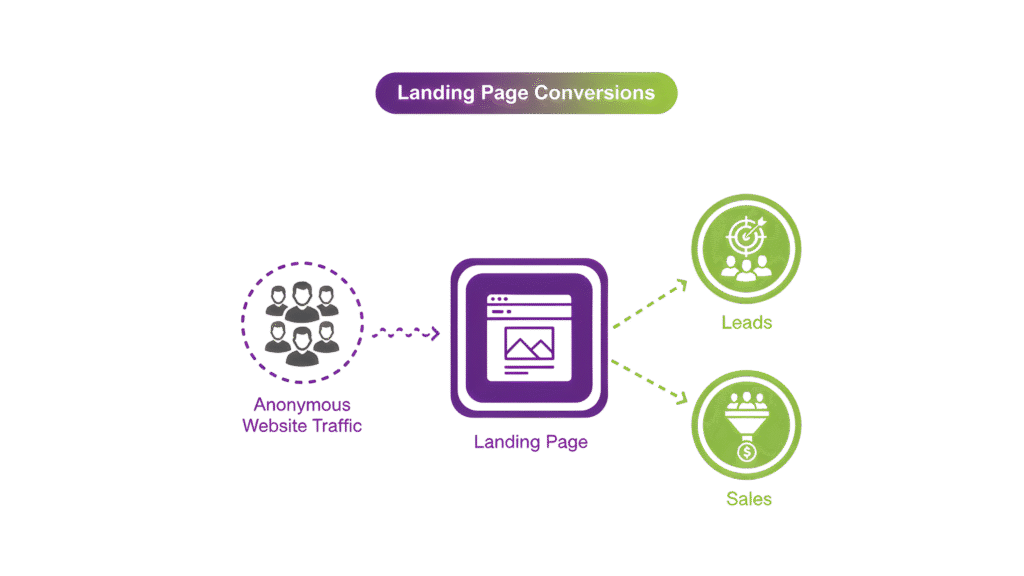
Landing pages strengthen your SEO strategy in several ways:
Studies show landing pages work best when paired with specific campaigns. Unlike homepages with many navigation options, landing pages limit choices to one conversion goal. This makes them great at increasing conversion rates while lowering your lead acquisition costs.
Blog posts and landing pages create a powerful SEO ecosystem together. Blogs attract and educate visitors through informational content, while landing pages turn that engaged audience into real leads. Your success depends on knowing when to use each format based on your marketing goals.
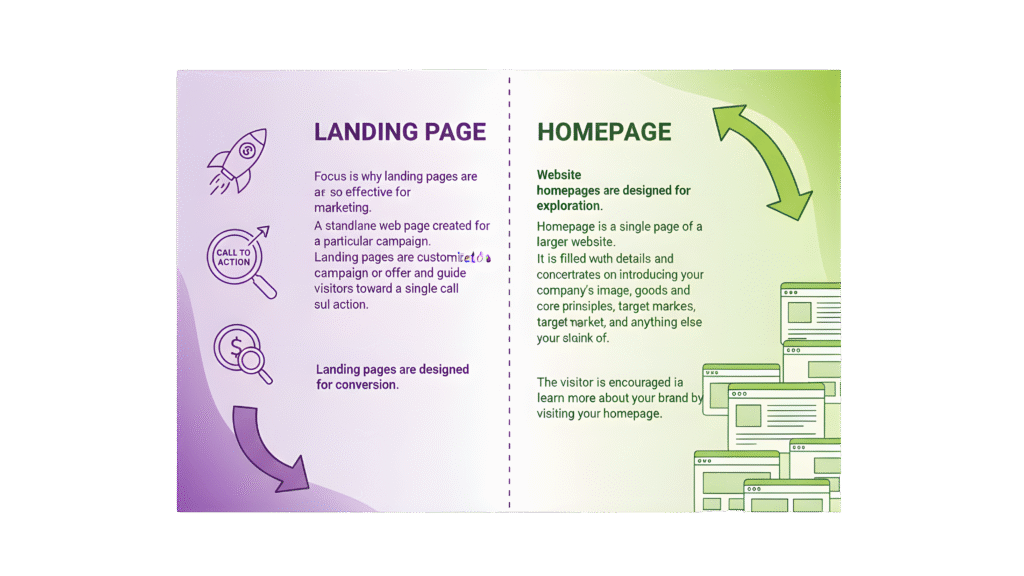
Your blog post vs landing page structure shapes how visitors interact with your content. These structural differences help you create better content for both formats.
Blogs use strategic architecture that guides readers through detailed information. Blogs need proper headings that work as signposts. Well-structured H2 and H3 headers let readers quickly scan your page and understand each section.
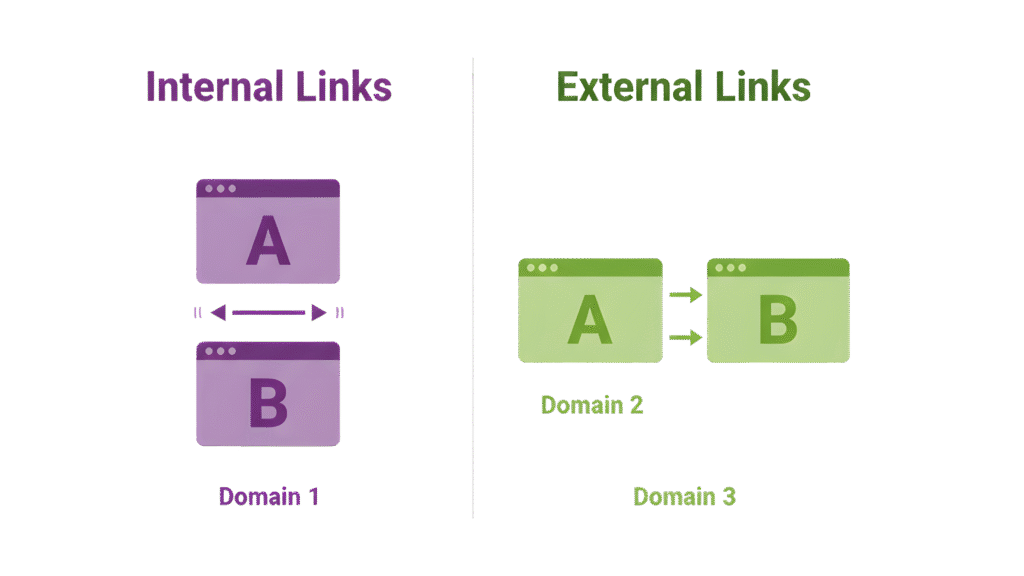
Internal linking forms the backbone of good blog structure. These links connect related content on your site, creating an information web that helps visitors and search engines find your content. Neil Patel states, “Internal linking is one of SEO’s most valuable weapons”. This approach offers several benefits:
Your blog’s content depth matters a lot for SEO content marketing services. You should write at least 300 words, though longer articles generally perform better in search engines. Short paragraphs (2-3 sentences) work best, especially for mobile users.
Landing pages shine through simplicity. Their layout removes distractions and focuses visitor attention on one goal. Many pages remove standard website navigation to keep users from leaving before converting.
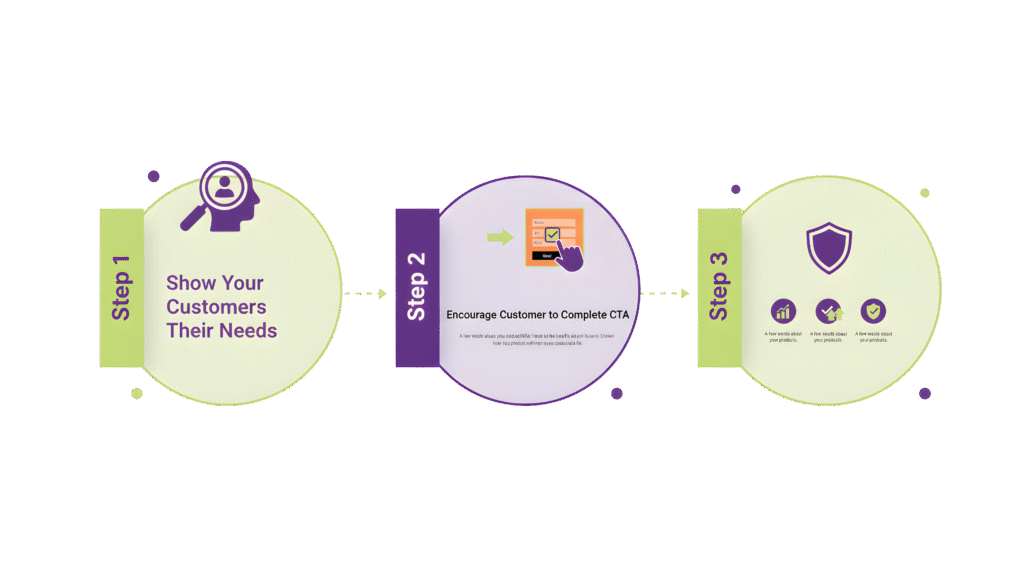
Call-to-action (CTA) buttons power landing pages. Good landing pages skip generic text like “Submit” and use specific CTAs like “Get My Free Consultation” that show clear value. This direct approach supports your conversion strategy with clear next steps.
A good landing page has these key elements in order:
Blog and landing page visuals serve different purposes. Blogs use visuals to support stories and teach through careful placement of text and images. They mix in images, videos, and GIFs to break up text chunks.
Landing pages use visuals to drive conversions. They guide visitors toward specific actions through:
Content marketing for professional services needs landing page visuals that drive conversions, not just look good. Each visual—from images to animations—must guide visitors to act based on their search intent.
These structural differences matter for your marketing goals. Both formats support your digital strategy when built right for their purpose.
Understanding how search engines interpret and prioritize different page types helps evaluate the SEO potential of content formats. The debate between a blog post vs landing page isn’t about which ranks higher overall. The real question is which format best matches your target search intent.
Search engines group keywords based on user intent. Your seo content marketing services need to match content format with the right intent to work well.
Blog posts work best with informational keywords—searches where people want to learn rather than buy. People often start these searches with “how to,” “why,” “what is,” or phrases that show they’re researching. Search engines want to show the most helpful results for each search, so blogs rank higher for these information-seeking queries.
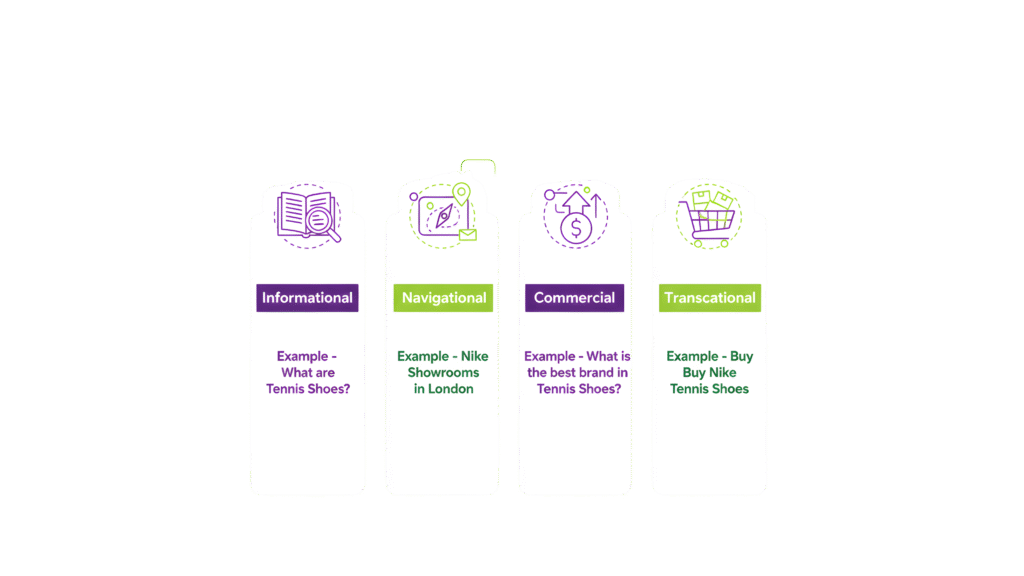
Landing pages shine when ranking for commercial and transactional keywords. These searches show stronger buying intent with words like:
Research shows landing pages perform better than blogs for keywords with high commercial intent because they directly address people ready to convert. The search results for these keywords usually display more landing pages than blog content.
Content depth affects your ranking potential for different search intents. Blog posts give you room for detailed coverage that search engines value for informational queries. Research indicates that long-form content (1,500-5,000+ words) ranks better for informational searches because it:
Yet landing pages with clear, focused content often rank better for transactional searches. Their direct approach (usually 300-1,000 words) gives purchase-ready users exactly what they need—clear details about a solution and how to get it.
This difference matters for content marketing for professional services. Your domain authority plays a role, too. Established brands find it easier to rank landing pages for competitive terms. Newer websites might see better results with informational blog content.
Different internal linking approaches create unique SEO benefits. Blog posts work well with a strong internal linking strategy that:
Blogs help improve your entire site’s visibility, including your conversion strategy pages.
Landing pages usually receive links instead of sharing them. Their focused design limits outbound links to keep visitors focused. Smart SEO strategies use blog content to direct link value toward important landing pages. This boosts their ranking potential for competitive commercial terms.
The best SEO strategy doesn’t choose between these formats but uses their strengths based on search intent. Matching each format to the right customer journey stage creates a complete approach. Blogs build authority while landing pages turn that authority into results.
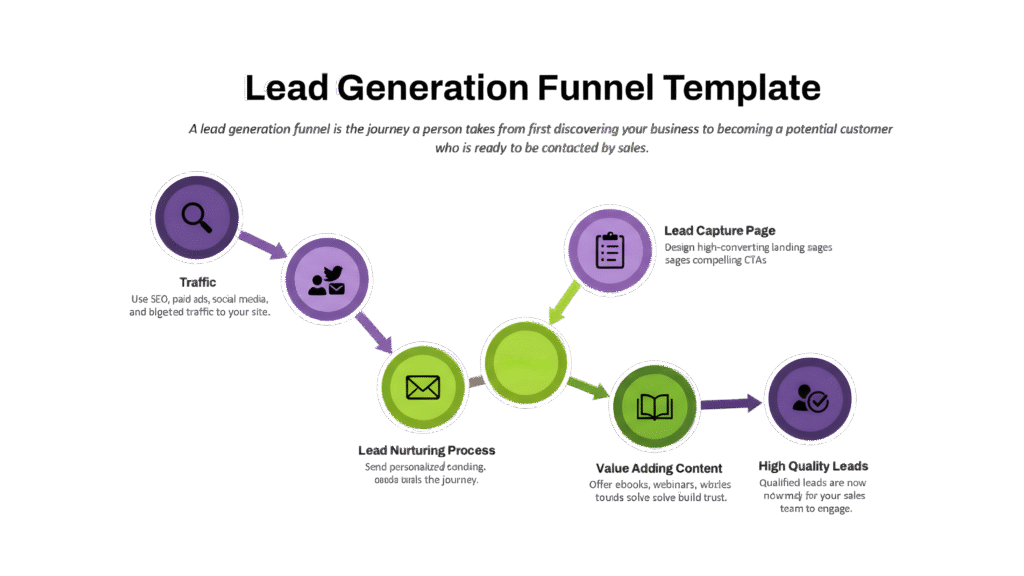
The success of your blog post vs landing page boils down to how well they generate leads, beyond just SEO rankings and content structure. Companies that cleverly use both formats together see conversion rates increase by up to 55% compared to using just one type of content.
Your content strategy should match specific stages of the buyer’s experience:
Smart CTA placement boosts conversion rates by a lot. Landing pages should have CTAs at multiple spots to maximize conversion chances:
CTAs above the fold work best for simple, low-effort offers when visitors already know your value. Complex offerings need CTAs placed after key value sections so visitors can process information before deciding.
Design plays a crucial role alongside placement. Action-packed phrases like “Get Instant Quote” convert better than basic “Submit” buttons. A recent A/B test showed that moving a CTA above a pricing grid lifted conversions by 41%.
Your conversion strategy works better when you understand how visitors think. Blog readers usually gather information and research before making choices. They read multiple articles from different websites, which makes blogs perfect for building lasting relationships.
Action-ready visitors know what they want and prefer landing pages. These users need a clear path to convert without distractions.
Your content marketing for professional services should recognize that conversions rarely follow a straight line. Match your content to the search intent – use blogs to nurture relationships or landing pages to capture leads right away. The best results come from using both formats together. Let your blogs build authority while your landing pages turn that trust into qualified leads.
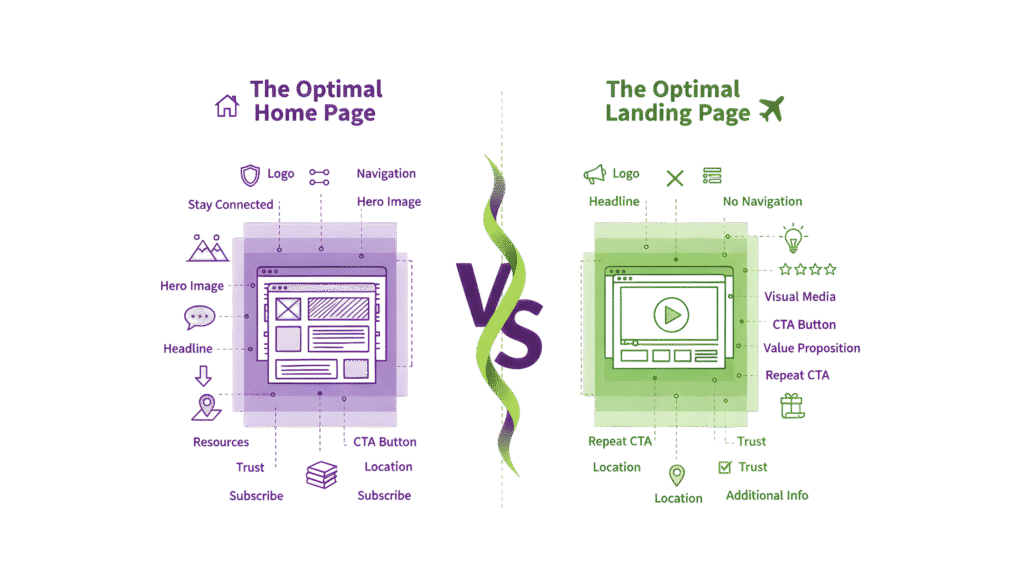
Choosing between a blog post vs landing page needs careful planning based on your marketing goals. You can maximize visibility and conversions by understanding the best scenarios for each format in your digital marketing efforts.
Blog posts excel at establishing your authority in your industry. Blogs make your brand a trusted expert source of information and build credibility with your audience. Your website’s SEO foundation becomes stronger through regular blogging as search engines favor sites that deliver fresh, relevant content consistently.
Blogs work best when you need to:
Blogs effectively separate your authority content from product promotion for content marketing for professional services. This separation helps you maintain credibility. Readers might lose trust if they sense a hidden sales pitch in what should be educational content.
Landing pages serve as focused conversion tools for specific campaigns or offers. We designed them with a single purpose – to convert visitors from paid advertisements. Numbers tell the story – landing pages convert 65% higher than standard website pages for paid traffic.
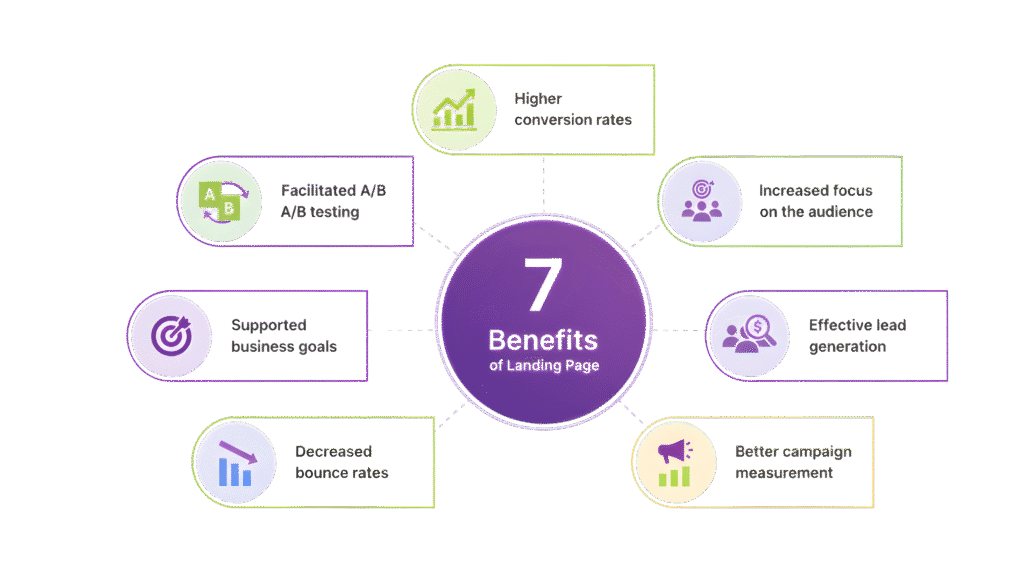
Landing pages work great when you’re:
Landing pages prove highly effective for paid search campaigns. They reduce your cost-per-click while improving quality scores by creating a focused connection between your ads and landing page content.
Search intent alignment often determines the choice between formats. Users show navigational intent by searching for specific websites or pages, using Google as a shortcut. Your main website pages perform better than blogs or landing pages for these searches.
Blog posts rank higher and meet user expectations better for informational searches where people seek knowledge. Users who research prefer complete content that answers their questions.
Landing pages consistently beat blogs for transactional searches where users want to take action. These users display clear purchase intent with keywords that include terms like “buy,” “order,” or “download”.
Your choice between a blog post vs landing page should line up with your target audience’s position in the buying experience. Match your content format to their search intent to get the best results in rankings and conversion strategy.
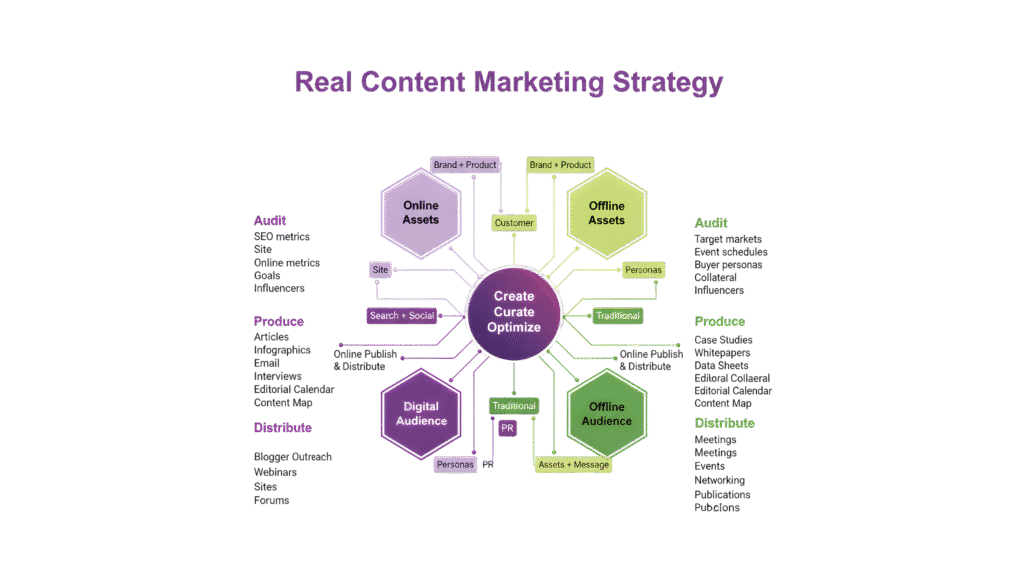
The true potential emerges from combining the strengths of both blog post vs landing page approaches. Smart combinations of these formats create outstanding results by blending educational material with elements that drive conversions.
A powerful hybrid format emerges from adding educational blog content to landing pages. SEO landing pages built this way rank better in search results and convince visitors to act. The Brand Creatives showed this method at work by turning a software category page into a hybrid landing page. They listed popular software options at the top and added valuable buyer’s guide content throughout.
Blog content serves as a powerful traffic generator for landing pages. Natural pathways to conversion pages emerge through relevant internal links and smart placement of CTAs in blog posts. This method proves particularly effective for seo content marketing services. Blog posts target informational searches like “how to budget” and guide readers toward landing pages focused on purchase-ready terms.
The numbers tell a compelling story about hybrid strategies. The Brand Creatives achieved these impressive results within six months of launching their hybrid landing page:
RecurPost built a hybrid page about auto-tweeting that works as educational content and a conversion strategy tool. The page ranks high in search results and generates 70% of its conversions by matching search intent perfectly.
| Aspect | Blog Posts | Landing Pages |
| Main Goal | Educate, involve, and establish credibility | Generate conversions and gather prospects |
| Content Length | 1,500-5,000+ words | 300-1,000 words |
| Structure | Headers, internal links, long-form content | Minimal distractions, strong CTAs |
| SEO Benefits | – Multiple keyword opportunities- Increased dwell time- Attracts natural backlinks- Shows site freshness | – Targets commercial keywords- Improves site architecture- Reduces bounce rates- Supports conversion goals |
| Keyword Intent | Informational (“how to,” “why,” “what is”) | Commercial/Transactional (“buy,” “subscribe,” “best”) |
| Conversion Focus | Top of funnel (awareness) | Bottom of funnel (action) |
| Visual Elements | Educational images, videos, and GIFs that support storytelling | Conversion-focused design with strategic white space |
| Internal Linking | Distributes link value through multiple links | Limited outbound links to minimize distractions |
| Best Used For | – Building expertise- Educational content- Addressing industry topics- Creating lasting resources | – Product launches- Paid campaigns- Event registration- Downloadable resources |
| Average Conversion Rate | Not mentioned | 9.7% |
Choosing between a blog post and a landing page goes beyond picking one over the other. Your digital marketing strategy works best when you use both formats based on your goals. Blog posts help you build authority and educate your audience while capturing traffic from information searches. Landing pages convert visitors with focused messaging and clear calls-to-action when they’re ready to move forward.
Both content formats play vital roles in your marketing funnel. Blog posts connect with potential customers early in their journey, and landing pages turn these engaged readers into customers. The numbers tell a compelling story – businesses that use both formats see conversion rates increase by up to 55% compared to those using just one approach.
Success comes from matching each content format to your customer’s journey stage. Blog posts build trust and awareness first. Then, you can guide your engaged audience toward conversion-focused landing pages. This powerful combination attracts, educates, and converts visitors as they move through their buying process.
Want to create the perfect mix of blog posts and landing pages? Fastlinko‘s content marketing services can help you develop content that ranks and converts. Their expert team offers SEO content optimization tools that ensure your content strategy delivers maximum results.
Landing pages typically have higher conversion rates, with an average of 9.7%. However, blog posts are valuable for nurturing leads throughout the buyer's journey. The most effective strategy often combines both formats to capture and convert leads at different stages.
Blog posts benefit from headers, internal links, and long-form content (1,500-5,000+ words). Landing pages should have minimal distractions, strong CTAs, and concise content (300-1,000 words). Both formats should align with the target audience's search intent.
Use blog posts for building thought leadership, educating your audience, and targeting informational keywords. Choose landing pages for product launches, paid campaigns, and targeting commercial or transactional keywords. Consider the user's stage in the buying journey when deciding.
Yes, hybrid strategies can be highly effective. You can embed educational blog content within landing pages or use blog posts to drive traffic to conversion-focused landing pages. These approaches can lead to significant increases in rankings, organic traffic, and conversions.
