How US Agencies Use Guest Posting to Build Authority for Clients
January 30, 2026






Most PR teams know what to publish. Still, only a few understand when to actually move press release samples.
Distribution timing of your shareable press content is the well-kept industry secret for attention-grabbing press releases. It decides how far your story travels before the next headline.
Journalists are the shortcut to distribution networks. They scan their inboxes for press release sample in short windows while newswires refresh on algorithmic cycles. Audiences then check these updates in patterns that repeat daily across US time zones.
The difference between a headline that trends and one that disappears is often just a two-hour gap.
Attention grabbing press releases are a collective effort. The best campaigns time their releases to match newsroom rhythms, peak reader activity, and digital platform refresh intervals.
This guide explores press release CTR tips, so editors are most active, readers engage deeply, and algorithms surface new stories fastest — only for your viral PR examples to be seen, picked up, and shared.
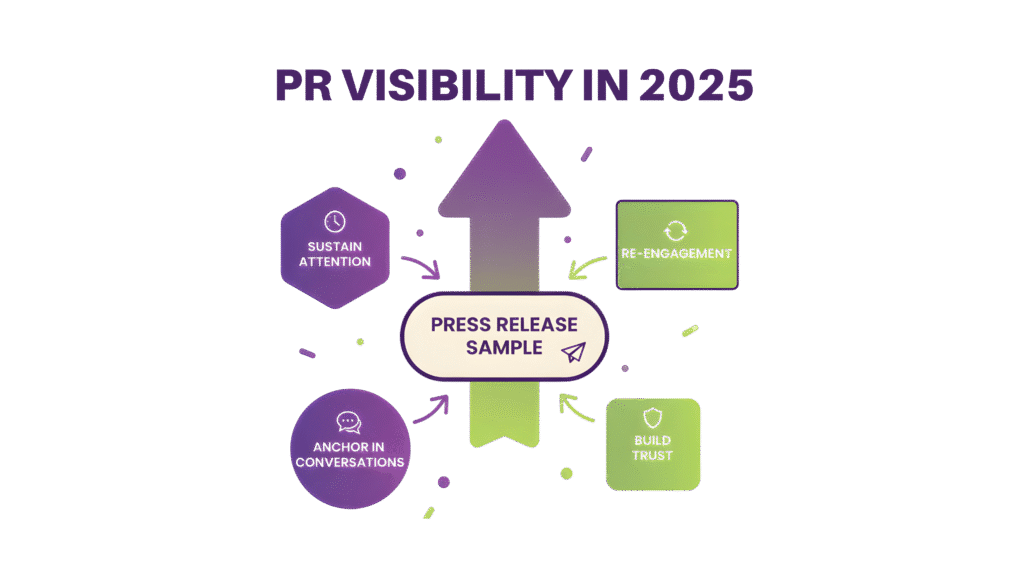
Modern PR visibility is a system, not a single event.
Viral PR examples in 2025 don’t win on luck, timing, or press mentions anymore. Shareable press content is about how each release behaves inside the digital ecosystem.
What determines success is how effectively a press release sample travels, earns re-engagement, and anchors itself in ongoing conversations.
This change is forcing PR teams to look beyond vanity placements. Instead of chasing coverage counts, they’re decoding what makes a release sustain attention or quietly disappear.
Let’s find out more about the core visibility factors shaping modern PR performance today. They are:
1. Engagement as the New KPI

Press release visibility is now defined by behaviour, not volume.
Metrics like click-through rate, scroll depth, and time-on-page reflect if your press release sample holds the reader’s attention or loses it midway. High engagement shows your story quality and message clarity. These two things are now prioritised by algorithms and journalists naturally.
When readers stay on your pieces longer or share them more, it signals your editorial value. This feedback loop is what modern PR systems measure. They now focus on how deeply they engaged and where the story travelled next, not how many saw it.
2. Journalist Behaviour and Pickup Patterns
Editorial decisions in 2025 are shaped by both release pace and pattern.
Most journalists look beyond relevance when it comes to shareable press content. They examine whether it fits the flow of the day’s coverage.
Factors that now define pickup probability for attention-grabbing press releases include:
The releases that gain digital traction are the ones that add to the conversation, not those that attempt to dominate it.
3. Audience Behaviour and Consumption Logic
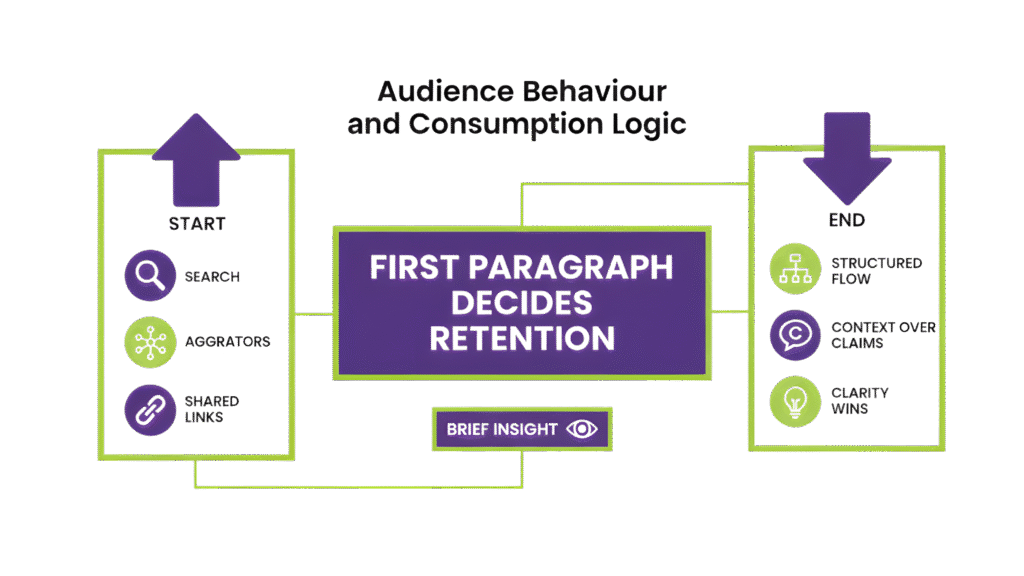
Readers don’t scroll through press release samples; they scan your content.
Most of these viewers arrive through search, aggregators, or shared links. These are all channels to pull potential high-intent users from. Among these clients, the first paragraph decides retention.
The reading logic is simple:
The press release that performs better mirrors the way modern readers process information.
It reads like a brief insight, not a brand memo.
4. Distribution and Structural Readability
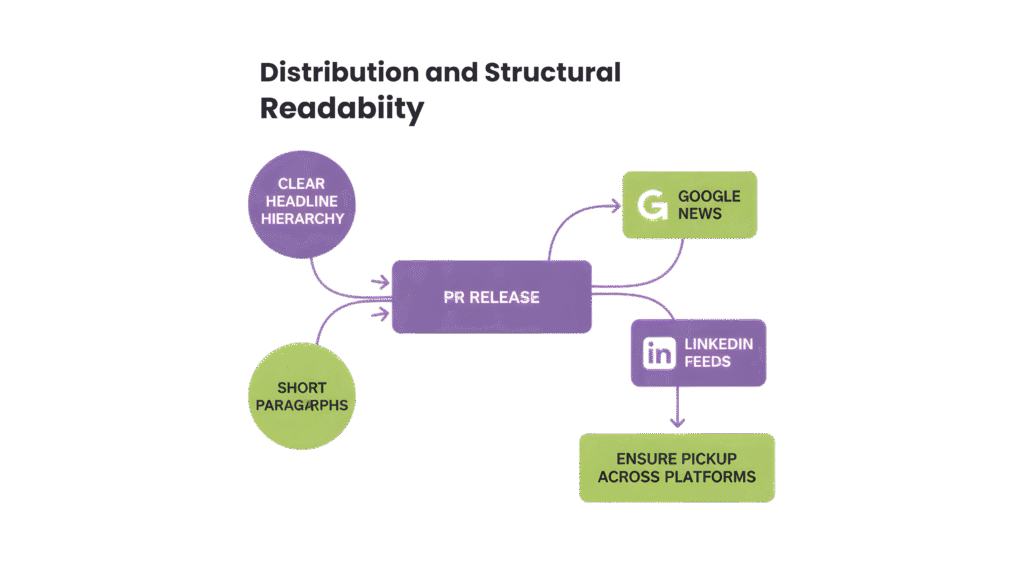
Visibility also depends on how a viral PR example release travels.
Nowadays, multi-channel distribution is used to blend automated newswire syndication with strategic manual PR placement. But ultimately, the structure of the release determines how well each platform indexes it.
A clear headline hierarchy, short paragraphs, and keyword coherence improve your PR’s pickup across aggregators and SEO platforms. Having structured readability increases algorithmic freshness, helping the release appear across Google News, LinkedIn feeds, and industry newsletters.
5. Measurement as a Continuous Feedback System
In modern PR, metric measurement is less about reporting and more about recalibration of data.
Analytics is being harnessed to refine timing, structure, and tone based on previous campaigns’ data.
When it comes to PR, content teams map outcomes like:
The goal here is much bigger than proving visibility. It’s to understand how visibility behaves. This is precisely the defining shift from chasing mentions to engineering momentum.
In 2025, visibility isn’t something you get online; it’s an asset you build.
Every press release works as a signal in a larger information network. These releases are presented and examined like modular assets. They should be measurable, iterative, and responsive to how real readers and journalists interact.
Understanding these new dynamics separates a one-time announcement from a story that keeps resurfacing, being cited, and shared long after it first goes live.
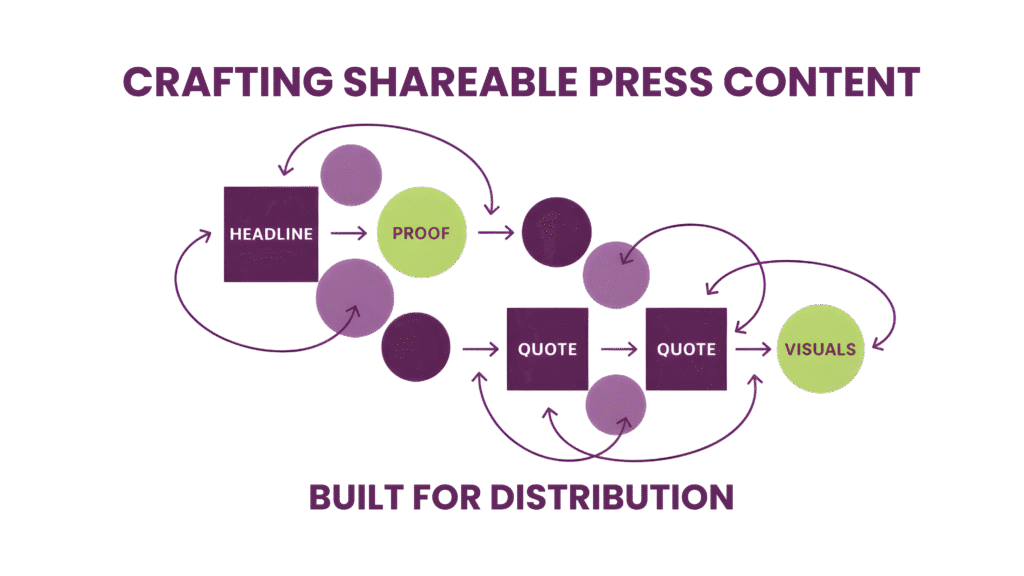
A press release in 2025 goes viral because it travels well, not always because it’s good
In fact, shareable press content works like code. Every element, from the headline and the proof to the quote, sends a signal about your story.
Ultimately, all these signals are tested to decide whether your story deserves to move forward or die in an inbox. The best-performing releases aren’t louder; they are sharper, focused, and built for distribution rather than decoration.
The components of shareable press content are:
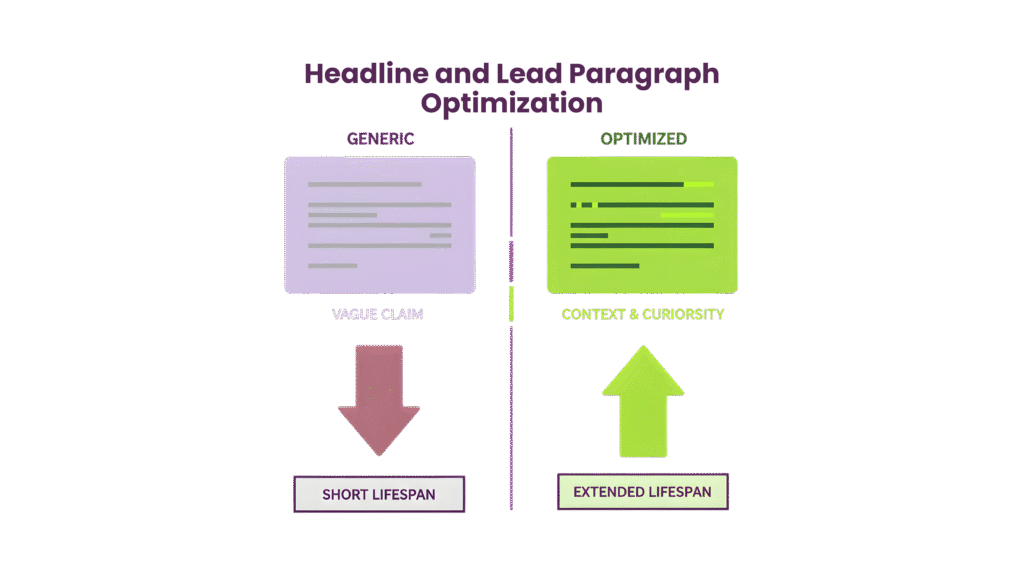
The first layer is the headline and lead. These define the release’s lifespan.
Headlines that offer context instead of listing claims easily outperform attention-grabbing phrasing. A clear, curiosity-driven line sets the premise, while a lead paragraph grounds the story in time, value, and consequence.
Readers and editors decide in those first two lines whether the piece is worth continuing or citing.
The second layer is narrative framing. Flat information rarely moves anymore. A structured flow that moves from problem to solution with proof creates rhythm and intent.
When a press release sample explains why something exists, how it changes the current order, and what signals back its credibility, it naturally earns more editorial pickup.
When it comes to press release CTR tips, use storytelling. It works like structured logic in motion.
Numbers, expert commentary, and benchmarks separate your true developments from speculative fluff.
Every cited stat or quote acts as a reliability anchor. These press releases even keep your story verifiable across reprints.
This relevance and authority are what make content retain its shelf life long after the initial pitch window closes.
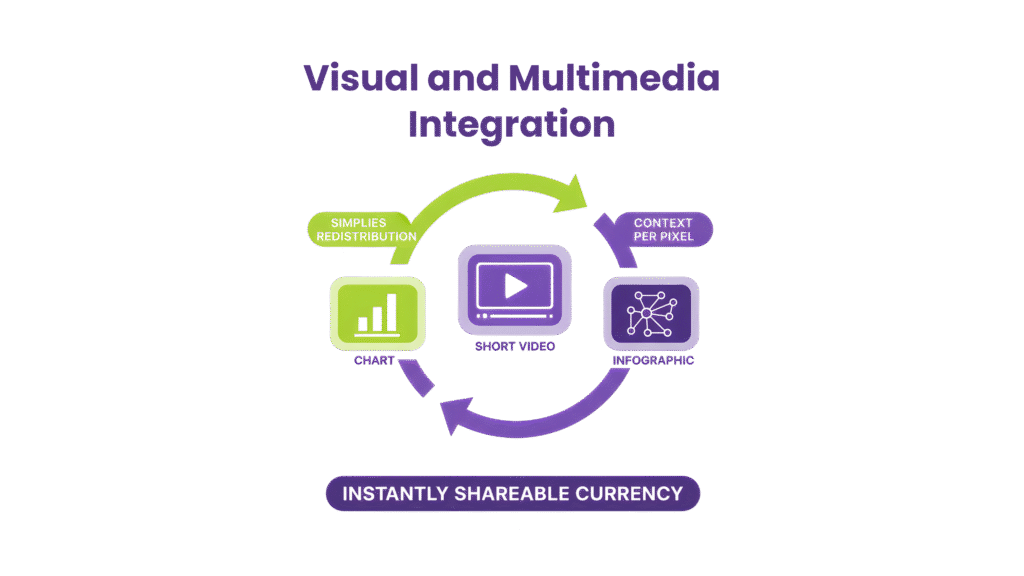
Visual and multimedia integration now play a parallel role to content. They are a must for effective press release samples.
Charts, graphics, and short-form embeds allow journalists to lift or reference data points directly. This simplifies both reader comprehension and digital redistribution.
Visualised information is like an instantly shareable currency. It travels faster than text and holds more context per pixel.
As mentioned, nowadays, content only wins online when it reaches people. This is where multi-channel adaptability comes in. It decides how far your PR content travels.
Press releases should be flexible across formats, be it a summary for LinkedIn, a condensed insight for a newsletter, or a headline variation for a niche wire. These assets multiply their discoverability by being repurposed.
The idea is to make every asset modular, so it fits seamlessly for any platform where your audience consumes information.
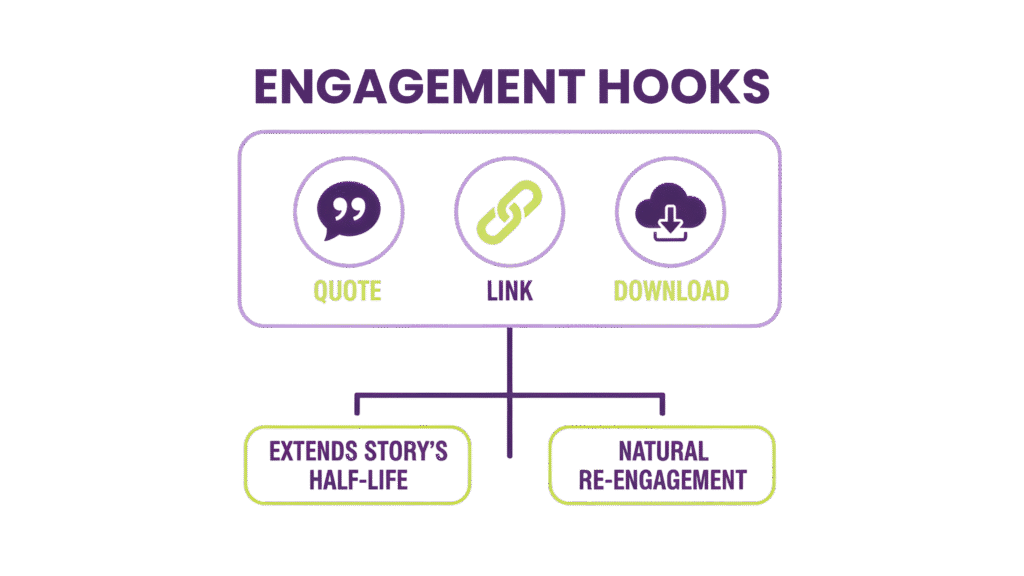
The best press releases invite user participation.
Embedded CTAs, link pathways, or pull quotes help the press release circulate beyond its native channel. These small interaction points extend the story’s half-life. They encourage natural re-engagement rather than forced distribution.
Whether it’s a quote that’s instantly postable, a call-to-action link to demos or downloads, or a statistic readers can share, these small design choices drive amplification.
Every choice in a press release shapes how it travels and engages. From headline to visuals, every element plays a key role in discoverability and readability.
Next, we break down viral press release samples to see what consistently earns clicks, shares, and measurable attention
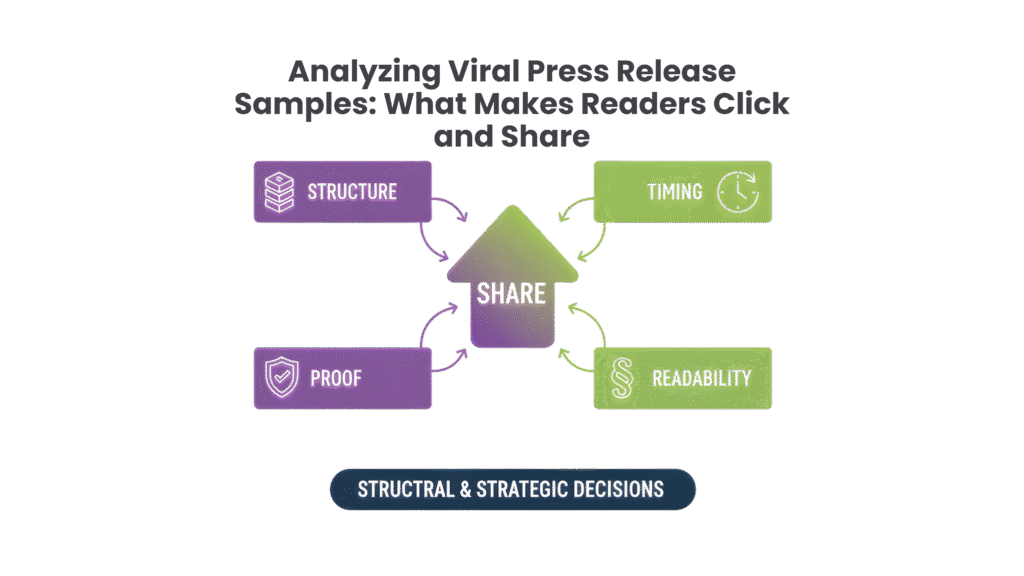
Behind every widely shared press release is a merger of structure, timing, proof, and readability. This combination makes readers, journalists, and end users stop, engage, and share with your PR.
Studying top-performing releases across tech, B2B, and consumer sectors reveals the patterns that repeatedly win engagement and media traction online by creating timeless PR pieces.
The following analysis of viral press release samples shows how structural and strategic decisions can continually produce high engagement and media traffic digitally.
The headline is your first and often only chance to pull in attention.
Top-performing releases balance curiosity, clarity, and relevance in one go. When you compare a strong headline to a generic one, the difference is easy to spot. It is the immediate recognition of value.
Lead paragraphs follow the same principle. They should be fast, precise, and newsworthy. In B2B tech, for example, a release that immediately lists ROI potential or efficiency gains gets picked up faster than vague claims.
The combination of a strong and dedicated headline along with a purpose-driven lead creates the gateway to engagement.
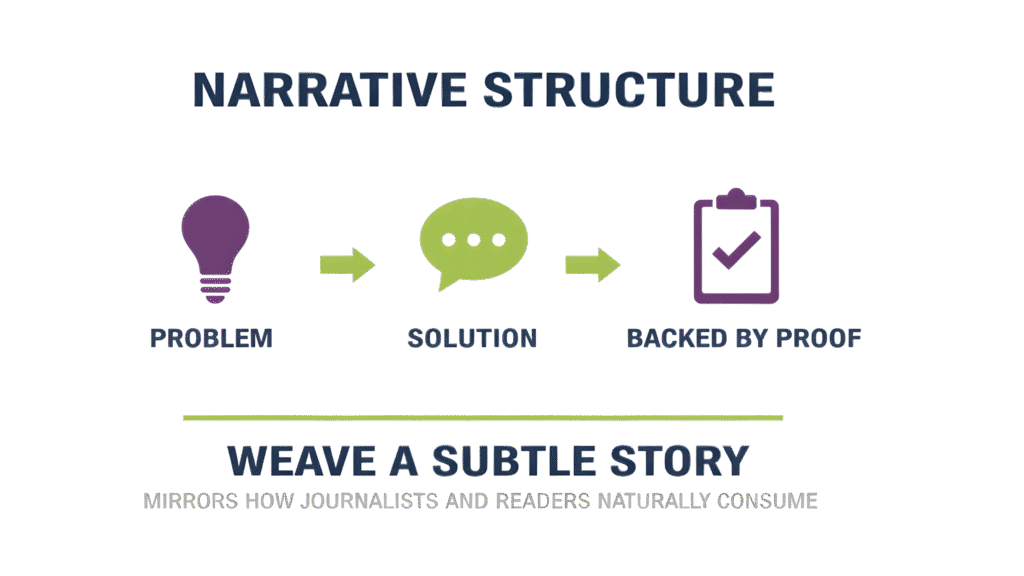
The press releases that get noticed rarely rely on flat announcements.
The ones that work weave a subtle story. They highlight a problem, show the solution, and back it with proof. Tech, consumer, and B2B releases all follow this rhythm.
A SaaS business launch, for example, might surface operational pain points, position its product as the fix, and quietly show its adoption metrics. This approach mirrors how journalists and readers naturally consume information.
Thus, making the release more likely to get picked up, shared, and engaged, all without any overt marketing.
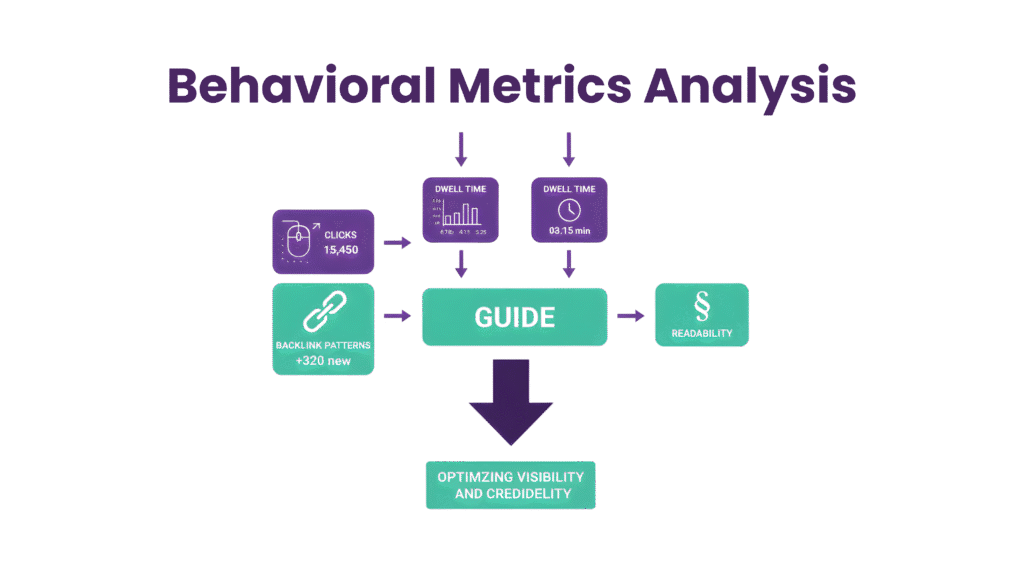
Clicks, dwell time, and backlink patterns reveal the true story behind your brand. They show which formats, structures, or angles actually hold attention.
Much research proves that usable and insightful material like technical case studies consistently outperforms generic blogs. Teams should refine subsequent content accordingly by reordering proof points, adjusting headlines, and tightening narratives.
These metrics don’t just measure your performance; they guide. Every interaction becomes a clue for optimizing visibility and credibility for the next release.
The best press releases don’t just peak once, they leave traces. Each release sets the stage for the next. It shapes social banter, editorial references, and audience attention.
At its core, virality is less about noise and more about creating a ripple that guides how your story is read, shared, and remembered.
In today’s digital marketing landscape, viral press releases are less about luck and more about intentional design.
Every element, from headline and lead paragraph to formatting, proof, and distribution, signals relevance, credibility, and shareability. Top-performing press release samples show that timing, clarity, and engagement drive sustained visibility.
B2B teams can channel these insights to refine every asset. This way, they can align better with the target audience behavior, newsroom patterns, and digital rhythms.
Understanding this interplay turns each release into shareable press content, where clicks, CTR, and reader interaction are not just metrics but tools for building influence and lasting PR impact.
Press release samples reveal what works in practice. They show headline structures, storytelling patterns, and timing that attract attention. By studying successful releases, marketers can balance using facts, quotes, and visuals. This makes it easy for announcements to be picked up, shared, and amplified by media channels.
Quotes from leaders or experts add credibility and perspective. They make a release more than a statement. Their task is to make it a reference point that journalists can use. Well-chosen quotes highlight key points clearly and improve the chances of media pickup, broader coverage, and audience trust in the information shared.
Images, infographics, videos, and interactive content make press releases visually appealing and easier to consume. Multimedia helps convey complex information quickly and increases social sharing potential. Viral releases often pair concise copy with eye-catching visuals to boost clicks, engagement, and online amplification.
Long, cluttered text, vague messaging, or lack of relevance prevent engagement. Ignoring formatting, multimedia, or headline clarity also lowers click-through and shares. Press releases that fail to capture interest or make it easy to digest often remain unnoticed, highlighting the need for concise, compelling, and well-structured announcements.
