
How US Agencies Use Guest Posting to Build Authority for Clients
January 30, 2026




Link building for low DA websites can feel confusing rather than strategic.
Most manual link building guides skip the early logic entirely. Advice around new website SEO usually jumps straight to outcomes, without explaining what search engines actually assess. For teams launching a new site, this creates uncertainty about where authority actually begins.
At a low DA level, search engines don’t measure strength. They measure meaning & authority growth. They watch how a site enters its category, which contexts reference it and whether those references fit naturally within existing conversations.
That’s why link building for low DA sites follows a different sequence than mature brands. Early growth isn’t about scale. It’s about alignment. Organic link building controls pacing, relevance & intent, setting foundations that support visibility across the funnel.
This guide explains how to build links for a website with zero domain authority. It sheds light on how early choices compound over time & how to build authority without disrupting growth.
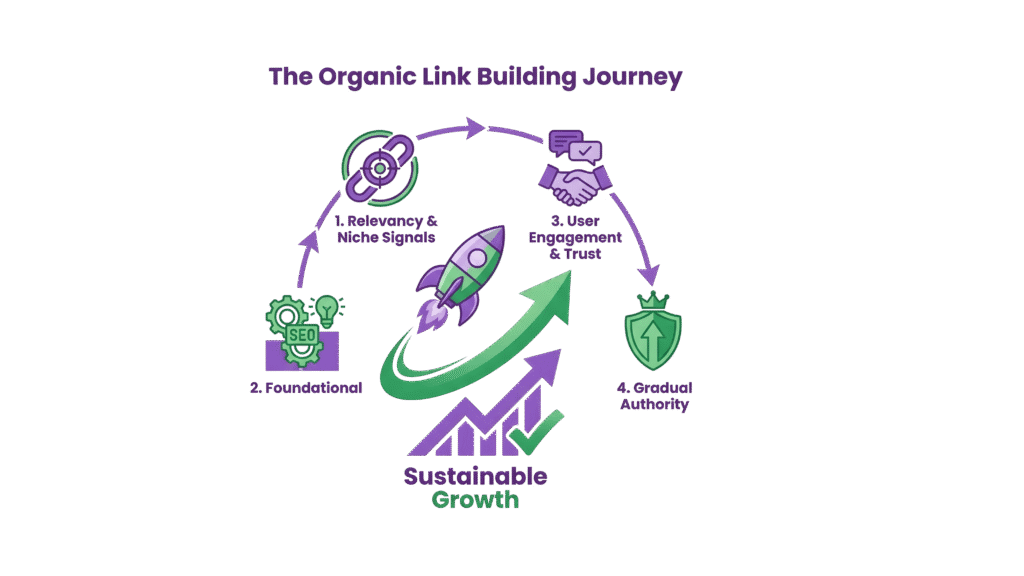
Low DA websites face strict evaluation from search engines.
For these platforms, early signals shape trust more than authority. New domains must prove their relevance, intent, and consistency to algorithms and users alike before scaling.
This section explains why organic link building order matters and why copying strategies creates risk instead of growth.
High-DA links look attractive to new sites. But authority without context creates confusion.
Before listing your website, search engines compare the source relevance of links placed on your brand’s page. If their alignment fails, the content’s authority growth and trust starts to erode early.
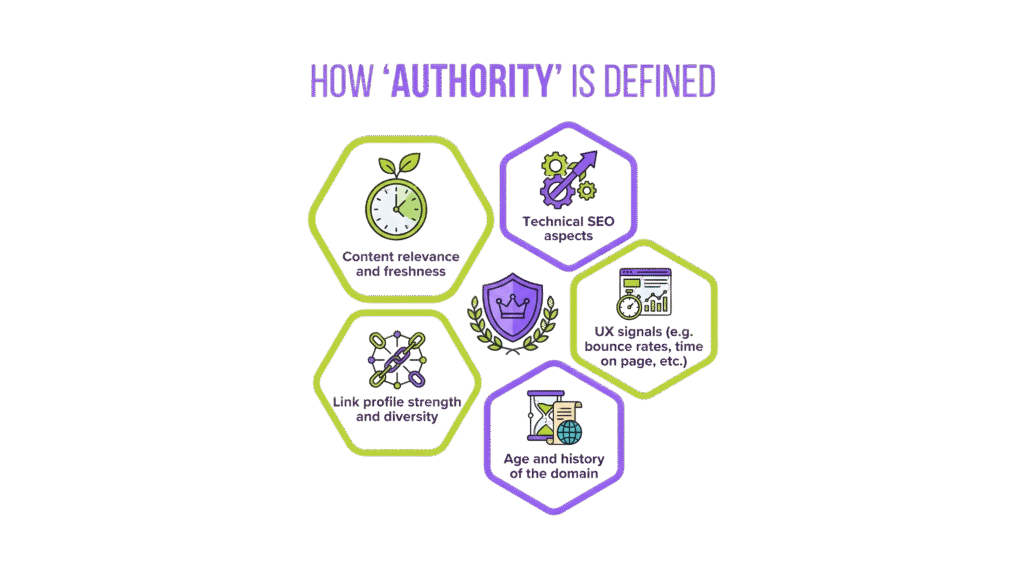
Low DA domains also lack historical buffers. They cannot absorb mismatched authority signals. Placing irrelevant high-DA links distorts the viewer’s topical understanding. Thus, it makes indexing clarity weaker instead of ranking higher.
Authority only compounds when context already exists. Without that base, strong links produce weak outcomes.
Search engines treat new domains cautiously. Today, early link patterns define credibility thresholds.
These first signals shape how future links are interpreted. Mistakes here compound silently over time. If early links appear forced or unnatural, ceilings begin to form for content placement.
Rankings struggle later, even with stronger assets. Recovery becomes slow and unpredictable. Low DA sites must earn trust gradually. Consistency matters more than volume.
Early restraint protects future flexibility.
New websites are judged on meaning, not numbers. In today’s digital economy, mentions matter more than metrics in the early phases. Contextual placement builds understanding faster than raw authority.
Search engines observe who talks about you. They assess where mentions appear. Then, they track topical alignment across ecosystems. In these ecosystems, credibility grows through relevance density. Metrics follow after clarity. This order protects new sites from misclassification.
Link velocity sends intent signals. Sudden spikes in viewership look unnatural on new domains. They suggest manipulation instead of growth. This raises internal review thresholds.
Low DA sites benefit from steady pacing. Intentful and gradual acquisition of users mirrors real discovery. Moreover, it supports new website SEO, natural crawl behaviour and indexing trust.
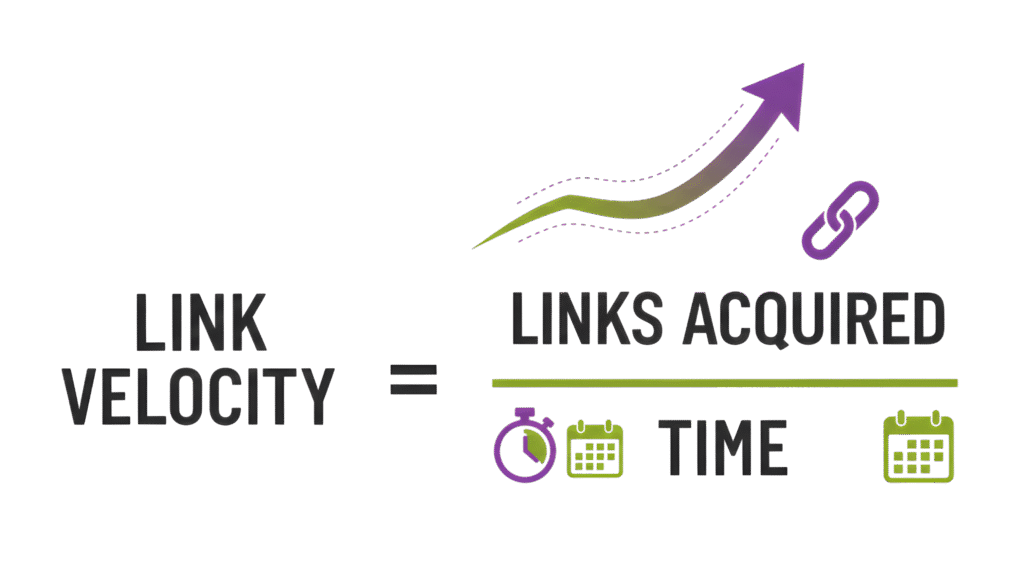
Slow growth builds stability. On the other hand, fast growth invites scrutiny. Velocity discipline is what truly protects early momentum.
Manual link building suits low DA sites best.
Human link building for low DA platforms respects context and narrative flow inherently. Each link supports understanding not shortcuts.
Manual link building efforts prioritise relevance over volume. They place links where they belong. They reflect real editorial intent.
This approach builds early trust signals safely and helps search engines classify the purpose of content. Ultimately, this method ends up creating clean foundations for scale.
Correct sequencing of organic link building stabilises early growth. Modern indexing in 2026 improves through clarity. Rankings now respond to relevance consistency.
Low DA sites grow best through patience and order. They earn trust before power. This helps to easily avoid early risk signals.
Thus, link building for a website with zero domain authority follows a different order in the new digital economy.
When a website has zero authority, Google becomes observational.
It studies behaviour, intent and coherence before influence. At the early level, backlinks do not transfer power, they transfer meaning. This section explains how Google interprets early links for new website SEO.
Explore why and how authority growth begins with intent validation, not scale.
Google’s first task is interpretation.
It needs to understand what problem space a site occupies. Early links help define that space. Each backlink narrows or widens the narrative that Google forms.
When links arrive from aligned topics, the clears. Contrastingly, when they arrive from unrelated categories, the picture fractures. Google slows confidence when meaning feels unstable.
This is why link building for low DA sites must stay focused. Organic link building works when links repeat the same intent story. Repetition builds trust before rankings move.
Once meaning forms, Google studies placement logic.
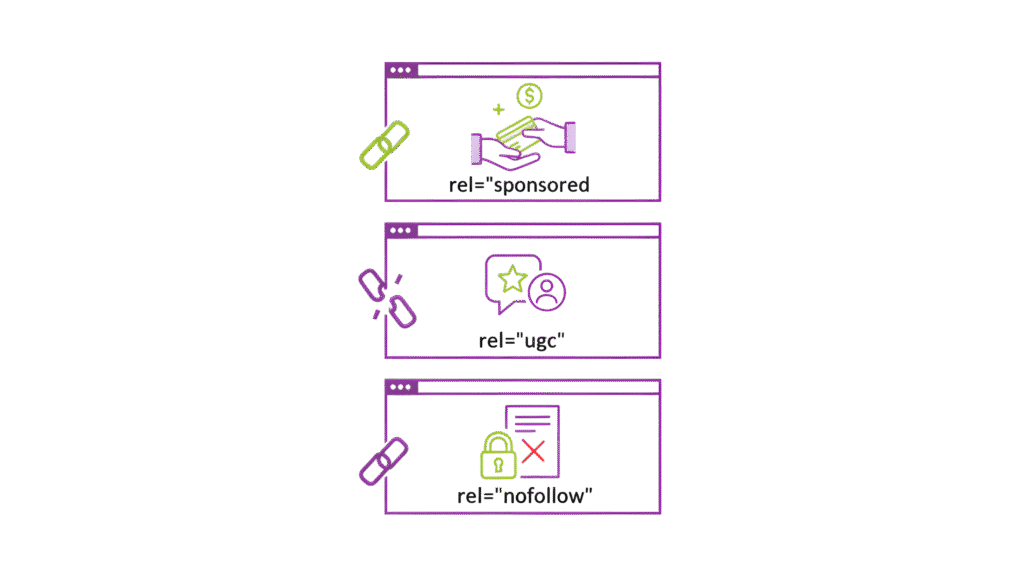
It observes where the link appears and how it functions. The editorial mentions signal necessity. Likewise, peripheral placements signal convenience.
Links placed inside discussion show real citation behaviour. They exist because the content requires reference. This is where manual link building becomes critical.
Human-led placement preserves narrative sense. It ensures links feel earned, not inserted.
Google does not prioritise size early. It prioritises alignment. Small niche sites often outperform large generic ones in terms of credibility rating. These sources attract intentful readers. Their audiences arrive with purpose, not curiosity.
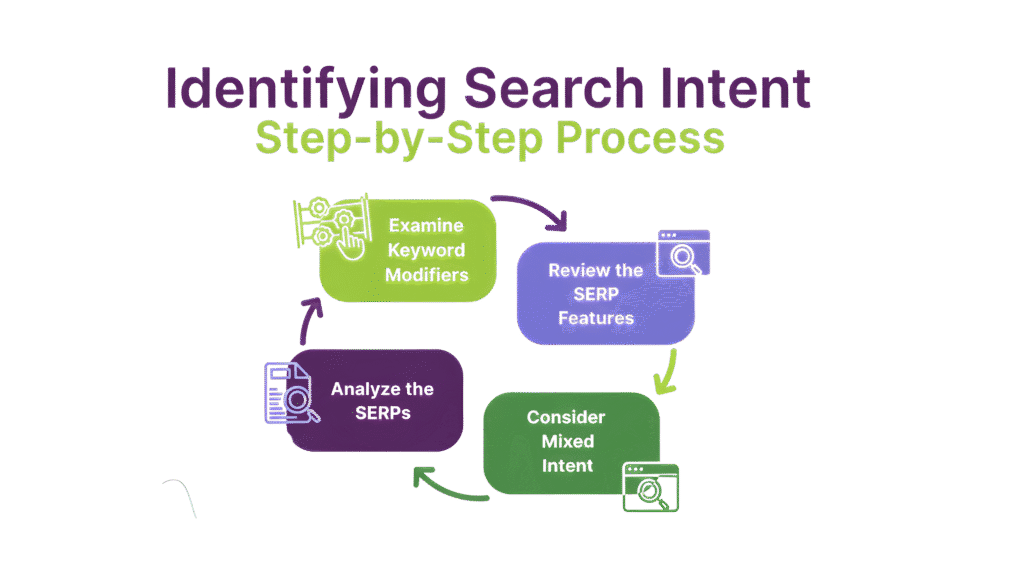
That behaviour reinforces topical confidence. On the other hand, large general platforms dilute this clarity. They widen interpretation too early. For new website SEO, tight ecosystems accelerate trust.
Anchor text shows how a link was formed. Over-optimised anchors imply planning. Google notices this immediately on new domains. Natural anchors feel casual and unforced.
They reference ideas as people actually speak and vary without pattern. Manual link building allows this restraint by avoiding artificial repetition. It protects brand credibility by showing natural adoption .
Google studies timing with care. It observes how links appear across time. Natural discovery looks uneven and inconsistent. Link building for low DA mirrors real attention curves. Organic link building respects discovery reality. It allows awareness to spread slowly, strengthening legitimacy.
At the discovery stage, Google looks beyond links themselves. It watches what intentful users do after arrival. Do they read deeply? Do they explore further? Do they stay engaged? These actions validate relevance more than other metrics.
Engaged users confirm the link served a purpose, others signal misalignment. For low DA sites, user behaviour is decisive. It tells Google whether the site deserves progression.
Engagement forms through meaning, placement logic, discovery pacing and intentful behaviour.
New sites grow when Google sees repeated understanding, not shortcuts.
At zero domain authority, links are not a growth lever. They are a trust signal. At this stage, search engines are not asking how strong your site is. They are trying to understand whether it belongs anywhere at all.
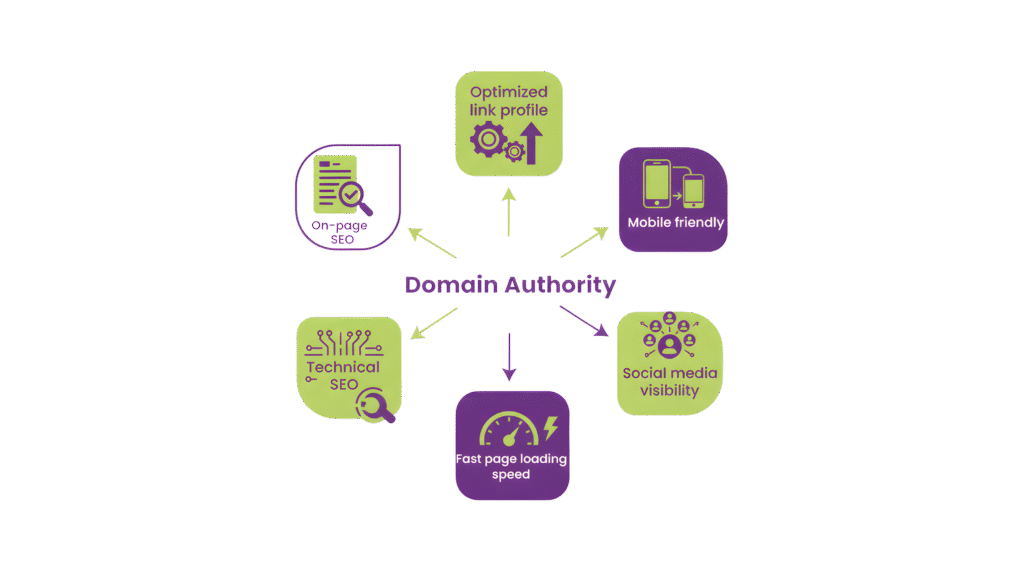
This is why insiders approach new website SEO as a sequencing issue, not a scale problem. The early phase is about interpretation, credibility and placement logic. Manual link building and organic link building are used to shape how a site is read, not to inflate metrics.
When done correctly, authority growth becomes a natural result of the link building process rather than a set objective.
At zero DA, links don’t work as endorsements of popularity. They work as references to clarity.
Foundational content is what editors, writers and readers feel comfortable referencing. These pages explain problems clearly, define concepts without exaggeration and help users understand a space without selling to them. This is where early links attach most safely.
Insiders know that foundational content is not written to rank first. It is written to be cited. When a new site earns its first links, those links point to explanatory pages, not product or service pages. That’s because reference behaviour comes before buying behaviour in search systems.
Without this layer, link building becomes fragile. With it, even a small number of early links can anchor authority.
At zero DA, relevance matters more than reach. Broad sites with no topical focus often do more harm than good early on, especially when links appear promotional or out of place.
Experts begin with niche environments where the audience, topic and language already match the site’s intent. These are smaller industry blogs, focused resource pages, contextual mentions inside relevant articles and specialist platforms where inclusion feels natural rather than transactional.
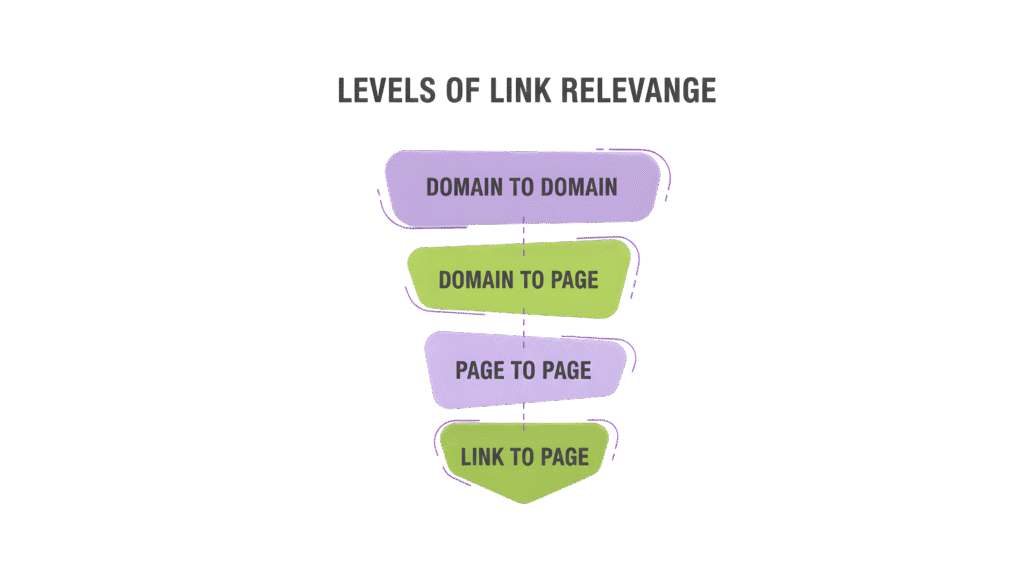
These placements help search engines answer a simple question: what category does this site belong to? That step is foundational for authority growth.
This is why early link building for low DA avoids mass guest post sites, even when they promise quick results.
Context builds credibility before authority exists.
Manual link building is not about control for its own sake. It is about protecting intent.
When a site has no authority history, every external mention shapes perception. Automated outreach tends to flatten nuance. Manual outreach allows teams to explain why a piece of content exists, what gap it fills and how it complements the publisher’s work.
At this stage, the goal is not to “place links”. It is to introduce the site correctly. Transactional placements distort this process.
They make links appear before understanding, which creates friction for both readers and algorithms.
One of the most common mistakes with new sites is moving too fast once the first links land.
Early momentum feels encouraging, but premature acceleration often triggers instability. Search engines expect adoption patterns to look gradual. They observe how pages behave after being linked, whether rankings stabilise, and whether user engagement holds.
Deliberate pacing allows these signals to form naturally. Spacing links out also gives time for crawling, indexing, and re-evaluation. This is how organic link building signals mature.
Authority growth becomes smoother slowly and volatility is reduced. In early stages, consistency matters far more than speed.
Repetition is risky when authority is low. Too many similar links, from similar sources, with similar anchors can make intent visible too early. Insiders diversify signals to reflect how real discovery happens. Some mentions are linked. Some are not.
Some come from articles. Some from resources or citations. Some are direct references without SEO intent. This diversity makes growth look exploratory rather than engineered. It also protects the site if individual links lose value later.
Domain authority moves after search engines are confident in their interpretation.
Before DA rises, insiders watch quieter signals. They look for increased impressions across related queries, more consistent crawling behaviour and ranking stability rather than jumps. These indicators show that the site is being understood.
This is the inflection point where authority growth becomes possible. Chasing DA before this stage usually backfires. Allowing clarity to settle first makes later growth far more sustainable.
Link building at zero DA is not about shortcuts. It is about setting the trajectory correctly.
By anchoring links to foundational content, prioritising relevance, using manual outreach, pacing acquisition, diversifying signals and measuring trust before authority. New websites avoid the early mistakes that limit long-term growth.
This approach builds authority that compounds rather than collapses. It protects future link building efforts and ensures that when scale arrives, it amplifies trust instead of exposing fragility.
No. Authority comes later. In the early stage, websites should focus on relevance, context and natural placement. Links from smaller, aligned sites help Google understand what your site is about. This foundation makes future authority links safer and more effective.
Manual link building allows control to websites. Brands can choose their placements carefully. It allows context to stay clean and outreach feels human. For low DA sites, this pacing matters. It prevents pattern spikes and builds trust steadily instead of triggering algorithmic hesitation.
Organic links from niche blogs, local publications and resource pages work best for zero-authority sites. These links carry relevance without pressure. They show real editorial choice. Google reads them as natural endorsements rather than attempts to shortcut authority growth.
Content gives links a reason to exist. Without clear value, outreach fails or looks transactional. Strong guides, comparisons, or niche insights attract links naturally. Content and links must grow together for authority to grow.
