



About Author

Recent post
How US Agencies Use Guest Posting to Build Authority for Clients
Why US Businesses Lose Rankings Due to Incorrect Citations
Why Some US Websites Rank Faster Than Others
Local Press Releases in the USA: City-Level PR That Actually Ranks
Guest Posting for US Local Businesses (City & State Targeting)
Most service pages are built with one goal in mind: rankings.
They target a keyword, hit a word count, add a few internal links, and call it done. Traffic arrives. Impressions increase. Yet leads do not follow.
This is where many B2B brands get stuck.
They invest heavily in SEO, work with agencies offering content marketing SEO services, and rank for high-intent keywords. But the service pages themselves fail to turn visitors into clients. The problem is not traffic. The problem is how the page communicates value.
A service page is not a blog post. It is not a brochure. And it is not a landing page built only for ads.
A service page sits at the intersection of search intent, trust, and decision-making. If it focuses only on rankings, it attracts visitors who never convert. If it focuses only on sales language, it loses visibility.
This guide breaks down service page writing tips that do both: rank for competitive terms and convert the right clients by speaking directly to their needs, concerns, and buying mindset.
Why Most Service Pages Rank but Do Not Convert
Before writing anything, it helps to understand why service pages underperform.
The most common issues include:
- Generic positioning that sounds like every competitor
- Features are listed without explaining outcomes
- No clear client targeting
- Weak or misplaced calls to action
- SEO content added without conversion logic
Many B2B service pages are written as if traffic alone equals success. But traffic without intent alignment leads to high bounce rates and low engagement. Search engines notice this too.
Conversion-focused service page writing starts with a different question.
Not “What keywords should this page rank for?”
But “Why should the right client choose us over every other option?”
Understanding Search Intent for Service Pages
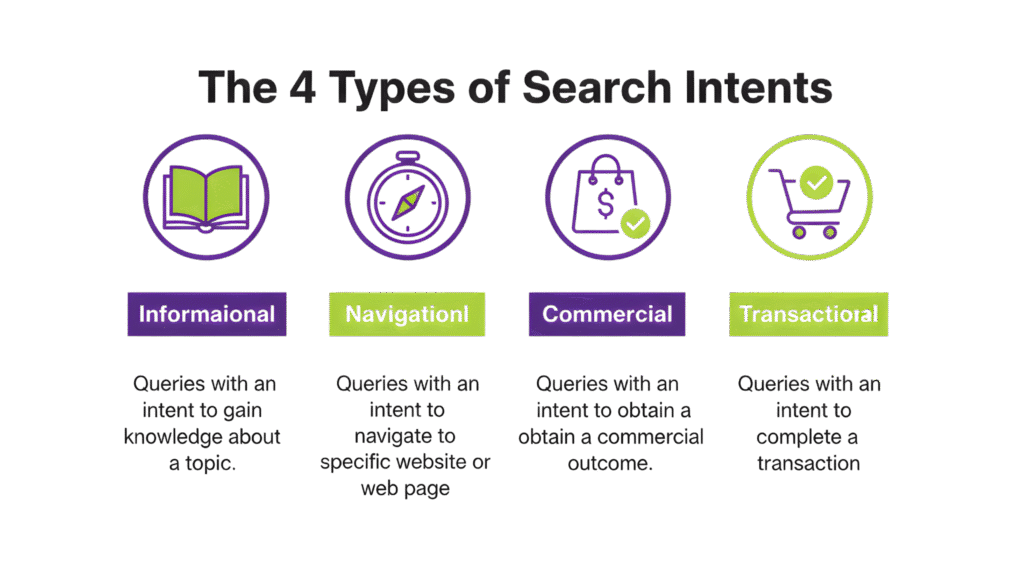
Search intent for service pages is fundamentally different from blog content.
When someone searches for b2b content marketing services or content marketing SEO services, they are not researching theory. They are evaluating providers.
That evaluation happens in stages:
- Can you solve my specific problem?
- Do you understand my industry and context?
- Can I trust you with the budget and outcomes?
- What happens if I take the next step?
Your service page must answer all four questions clearly.
SEO brings the visitor. Intent alignment keeps them reading. Conversion copywriting moves them forward.
Service Page Writing Starts with Client Targeting
A service page written for everyone converts no one.
Clear client targeting is the foundation of conversion-focused pages. This does not mean excluding prospects. It means speaking directly to the people who are most likely to buy.
Strong client targeting answers questions such as:
- Who is this service for?
- Who is it not for?
- What stage of growth are they in?
- What problem pushed them to search today?
For example, a page offering content marketing SEO services should not speak the same way to a bootstrapped startup and an enterprise marketing team. Their priorities, risks, and decision criteria differ.
When client targeting is clear, conversion improves because visitors feel understood rather than sold to.
Structuring a High-Converting Service Page
A strong service page follows a deliberate structure. Every section has a job to do.
1. The Opening Section: Clarify the Outcome, Not the Service
The first screen should answer one question immediately:
“What changes after I work with you?”
Avoid starting with company introductions or broad claims. Instead, lead with the outcome your client wants.
Examples of outcome-driven positioning:
- Predictable inbound leads from organic search
- Sales-ready content that supports long buying cycles
- SEO content that attracts decision-makers, not just traffic
This approach sets expectations and filters unqualified visitors early.
2. Problem Definition: Show You Understand the Real Challenge
After the opening, the page should expand on the problem your client is facing.
This is where most service pages stay shallow.
Strong service page writing goes beyond surface-level pain points. It reflects the internal frustration clients experience when current efforts fail.
For example:
- Traffic grows, but leads remain flat
- Content ranks but does not influence sales
- Agencies deliver output without a strategy
- ROI is unclear even after months of work
When visitors see their situation reflected accurately, trust increases before any pitch appears.
3. Position the Service as a System, not a Task
Clients are not buying blog posts, keywords, or backlinks. They are buying outcomes.
Your service should be framed as a structured system with clear stages.
For example, instead of listing services like:
- Blog writing
- Keyword research
- On-page SEO
Reframe them as a process:
- Strategy aligned with buyer intent
- Content built for visibility and conversion
- SEO structure that compounds over time
This signals maturity and reduces perceived risk.
Conversion Copywriting: Turning Features into Reasons to Act
Conversion copywriting focuses on why something matters, not what it is.
Every feature on your service page should connect to a client outcome.
Instead of saying:
“We provide in-depth content.”
Explain:
“In-depth content that addresses real buyer objections and supports long sales cycles.”
Instead of:
“We offer B2B content marketing services.”
Explain:
“B2B content marketing services designed to attract qualified leads, not just page views.”
This shift from description to implication is what turns interest into action.
Building Trust Without Overhyping
Trust is the currency of service pages.
Overpromising weakens trust. Vague claims weaken trust. Strong service pages build confidence through clarity.
Effective trust signals include:
- Clear explanation of how work is done
- Realistic timelines
- Defined scope and expectations
- Examples or outcomes without exaggeration
Clients do not expect perfection. They expect honesty and competence.
Addressing Objections Directly on the Page
Every visitor arrives with doubts.
A high-converting service page anticipates and addresses them.
Common objections include:
- “Will this work for my industry?”
- “How long before results show?”
- “What makes this different from other agencies?”
- “What if it doesn’t work?”
Instead of hiding these concerns, address them openly within the content. This reduces friction before the call to action.
SEO for Service Pages Without Killing Conversions
SEO and conversion are often treated as opposing forces. They are not.
The issue arises when SEO is added mechanically.
To balance both:
- Use keywords naturally within problem-solution framing
- Avoid stuffing service terms into headings
- Write for humans first, then optimize structure
For example, mentioning service page writing, conversion copywriting, and client targeting should feel natural within context, not forced.
Search engines reward engagement and clarity. Conversion-focused pages support both.
Internal Linking: Guiding Visitors, Not Distracting Them
Internal links on service pages should support decision-making.
Linking to relevant case studies, blog posts, or supporting resources builds confidence. Random internal links dilute focus.
Each link should answer a question the visitor may have before converting.
Calls to Action That Match Buyer Readiness
A service page should not rely on a single call to action.
Different visitors arrive at different readiness levels.
Effective CTAs include:
- Primary CTA for high-intent visitors
- Secondary CTA for those needing more clarity
- Soft CTA for early-stage evaluation
Examples include:
- Book a strategy call
- Request a service breakdown
- View how the process works
This layered approach captures more conversions without pressure.
Why Long-Form Service Pages Convert Better in B2B
Short service pages often fail because they leave too many questions unanswered.
B2B buyers need detail, clarity, and reassurance.
Long-form service page writing works because it:
- Builds authority within the page itself
- Reduces the need for external research
- Keeps users engaged longer
- Signals expertise to search engines
Length alone does not convert. Structure and relevance do.
Measuring Conversion Performance on Service Pages
Conversion is not always immediate.
Important metrics include:
- Scroll depth
- Time on page
- Assisted conversions
- CTA interaction rates
These indicators show whether the page is doing its job even before leads close.
When to Rewrite a Service Page Instead of Driving More Traffic
If a service page ranks but does not convert, traffic is not the issue.
Signs a rewrite is needed include:
- High traffic with low engagement
- Low CTA clicks
- Poor lead quality
- Confused sales conversations
Improving the page often produces better results than increasing traffic volume.
Conclusion
A service page is where marketing meets revenue, and its impact goes far beyond visibility in search results. It serves as the final checkpoint where potential clients decide whether to move forward or look elsewhere. To perform this role effectively, a service page must attract the right visitors, speak directly to their situation, and address the concerns that influence buying decisions. Rankings create opportunity, but opportunity alone does not drive growth. What turns visibility into measurable results is clear, intentional conversion copywriting that guides visitors toward action.
Strong service page writing balances three priorities. SEO ensures the page reaches the right audience. Client targeting ensures the message resonates with decision-makers rather than casual browsers. Clarity ensures visitors understand what is being offered, why it matters, and what to do next. When any one of these elements is missing, performance suffers. When all three work together, the page becomes both discoverable and persuasive.
The real objective of a service page is not to rank for a set of keywords or to impress search engines. It is to create confidence, reduce hesitation, and support informed decisions. When written with that purpose, a service page becomes a consistent source of qualified clients, not just another page that generates traffic without results.
FAQ’s
Can a service page rank well and still convert visitors?
Yes, a service page can rank and convert when SEO and conversion copywriting work together. Search engines reward pages that align with search intent and keep users engaged. When content answers buyer questions clearly and guides them toward action, rankings and conversions reinforce each other. The issue arises only when SEO is added without considering user behavior.
How long should a high-converting service page be?
There is no fixed word count, but B2B service pages often perform better when they provide enough depth to address buyer concerns. Longer pages allow space to explain the process, clarify value, and build trust. The focus should be on clarity and relevance rather than length alone. A well-structured long-form page often converts better than a short, surface-level one.
How important is client targeting in service page writing?
Client targeting is critical because a service page written for everyone rarely converts anyone. When visitors feel the page speaks directly to their situation, trust increases quickly. Clear targeting also filters out unqualified leads, improving conversion quality. Strong service pages make it obvious who the service is designed for.
Should service pages focus more on features or outcomes?
Service pages should emphasize outcomes over features. Features explain what is delivered, but outcomes explain why it matters. Buyers care more about the result they will achieve than the tasks involved. Framing services around outcomes strengthens persuasion and decision confidence.
How do I optimize a service page for SEO without hurting conversions?
SEO should support clarity, not interrupt it. Keywords need to be integrated naturally within problem-focused and solution-driven sections. Avoid keyword stuffing in headings or CTAs, as it weakens readability. When content is written for humans first and structured cleanly, SEO benefits follow naturally.
What role does internal linking play on a service page?
Internal linking helps guide visitors who need more context before converting. Linking to relevant resources, case studies, or supporting content builds confidence and reduces hesitation. However, links should be intentional and limited. Too many links distract users from the primary action.
When should a service page be rewritten instead of adding more traffic?
A service page should be rewritten when it attracts traffic but fails to convert or engage users. High bounce rates, low CTA interaction, and poor lead quality often indicate messaging problems. In these cases, improving positioning, clarity, and client targeting delivers better results than increasing traffic. Conversion issues are usually content issues, not visibility problems.
