
How US Agencies Use Guest Posting to Build Authority for Clients
January 30, 2026




Link building becomes far more demanding when you operate in YMYL industries. Health, finance, legal, insurance, crypto, mental wellness, and similar sectors fall under the “Your Money or Your Life” category because the information published can directly influence a person’s financial decisions, safety, or overall wellbeing. Due to this heightened risk, search engines apply stricter evaluation standards when assessing authority, trust, and credibility.
Brands frequently invest heavily in backlinks only to realize their link building for YMYL strategy is undermined by relevance gaps, weak editorial standards, or signals that do not meet Google’s trust expectations.
This guide breaks down how link building for YMYL actually works today. It explains what Google looks for when evaluating authority signals, which strategies continue to deliver safe, sustainable growth, and what practices get flagged as risky or manipulative.
Google treats YMYL sites differently because the cost of misinformation is high. A weak backlink profile on a lifestyle blog may limit growth. The same weakness on a financial advisory or healthcare website can lead to suppressed rankings across the domain.
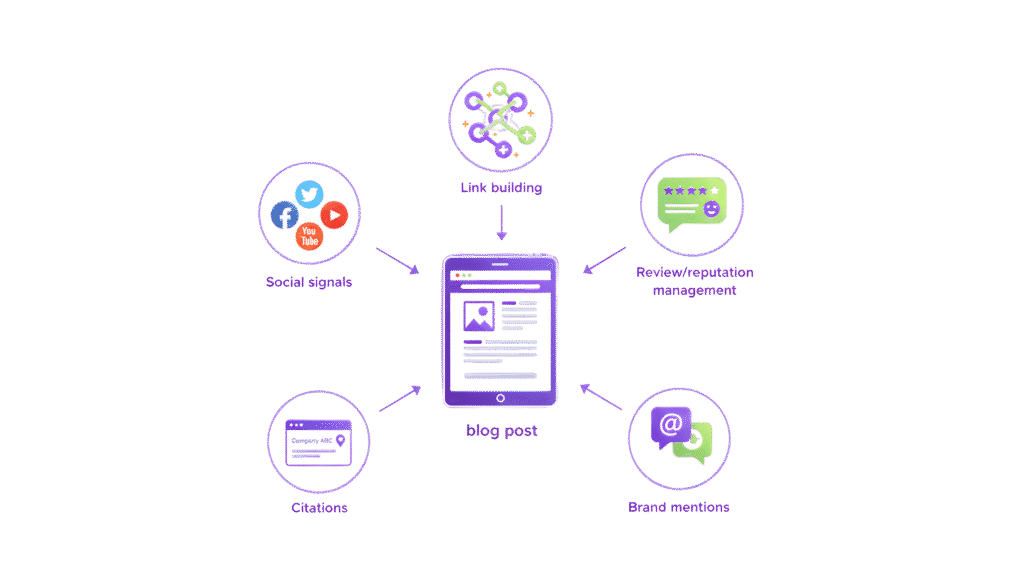
In YMYL niches, backlinks are not just authority signals. They are trust endorsements. Google evaluates who links to you, why they link to you, and whether the linking site itself demonstrates credibility. This is where many standard links building strategies collapse.
A site may have hundreds of backlinks yet struggle to rank because those links do not demonstrate expertise, authoritativeness, or trustworthiness. This is why niche SEO in YMYL industries demands precision rather than scale.
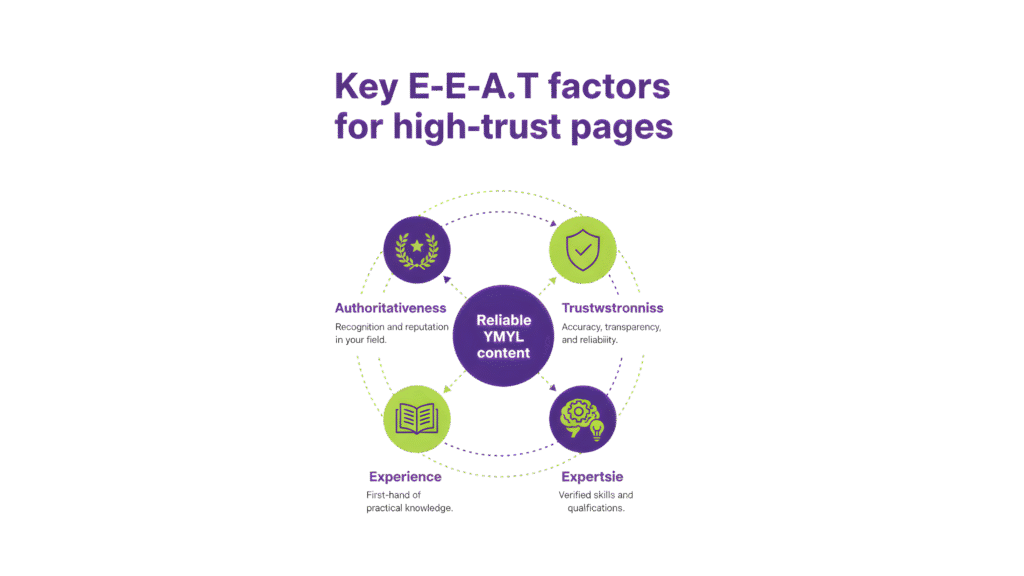
Trust is not built by numbers. It is built by associations. When Google assesses a YMYL website, it looks for connections to authoritative entities in that field.
This includes links from recognized publishers, industry institutions, licensed organizations, accredited platforms, academic references, and authoritative blogs with verified authorship. Links from generic guest posting networks do not build this trust. In some cases, they dilute it.
A backlink from a respected financial publication carries exponentially more weight than ten links from low-relevance blogs. This makes contextual link building service approaches essential rather than optional.
Contextual backlinks placed naturally inside informative, high-quality content remain one of the strongest ranking signals for YMYL sites. These links work because they appear within relevant discussions and reinforce subject matter authority.
When your content is cited within an article that already demonstrates expertise, the endorsement feels earned rather than engineered. This is why contextual placement matters more than placement volume.
A strong contextual link building service focuses on editorial relevance, not link insertion tactics. The content should educate first and reference your resource as a supporting authority.
In YMYL niches, the credibility of the linking site matters as much as the link itself. Google evaluates whether the linking platform has demonstrated real expertise through consistent publishing, author credentials, citations, and reputation signals.
Links from sites with medical reviewers, financial analysts, legal experts, or licensed professionals send stronger trust signals. This applies even if the site’s metrics appear lower than those of generic high-DR blogs.
For link building for YMYL, authority alignment beats raw metrics every time.
Editorial mentions earned through insights, commentary, research, or expert quotes carry far more weight than templated guest posts. Google sees editorial links as organic endorsements rather than controlled placements.
Guest posting still works in YMYL niches, but only when it meets strict editorial standards. Thin guest articles written only to place a link create footprint risks and long-term trust erosion.
This is where many white label link building providers fail. They focus on scalable placements rather than editorial credibility, which puts client domains at risk.

Original research, industry reports, surveys, and data driven insights naturally attract backlinks in YMYL sectors. Journalists, bloggers, and analysts reference data sources far more willingly than opinion-based articles.
When your content becomes a citation point, links appear organically without manipulation. This type of authority is difficult to replicate artificially, which is why Google values it so highly.
For niche SEO, data driven assets are one of the safest and most effective link magnets.
Unlinked brand mentions from credible publications still contribute to trust signals. When these mentions are later converted into links, they further strengthen authority.
Google evaluates brand presence as a proxy for trust. The more often your brand appears in credible discussions, the stronger your authority becomes.
This is why digital PR plays a crucial role in YMYL link strategies.
One of the fastest ways to attract Google penalties in YMYL niches is reliance on low-quality guest posting networks. These sites exist solely to sell backlinks and lack editorial oversight.
They often show patterns such as irrelevant outbound links, spun content, unnatural anchor usage, and weak author credibility. While these links may pass temporarily, they eventually become toxic signals.
YMYL algorithms are far less forgiving of these patterns.
Buying links that lack contextual justification is extremely risky in sensitive industries. If a link is placed purely for SEO value and does not add informational relevance, Google discounts it.
Worse, repeated patterns of paid placements can trigger manual or algorithmic action. This applies strongly to white-label link-building services that rely on paid placements without disclosure or editorial review.
Exact match anchor abuse is particularly dangerous in YMYL niches. Aggressive keyword targeting via anchor text appears manipulative and quickly erodes trust.
A healthy anchor profile relies on branded terms, natural phrasing, partial matches, and contextual anchors that read naturally. Anything that looks forced becomes a risk signal.
This is a common cause of sudden ranking drops in niche SEO campaigns.
Relevance matters more in YMYL than almost any other niche. Links from unrelated industries do not strengthen authority and often weaken topical clarity.
A finance site earning links from entertainment blogs sends mixed signals. A healthcare platform referenced by unrelated lifestyle content raises credibility concerns.
For link building for YMYL, relevance is not optional.
Sudden spikes in backlinks without corresponding content growth raise suspicion. Search engines closely track link velocity, especially on YMYL websites.
When link acquisition appears artificial, trust declines. This is one of the silent contributors to Google penalties that many brands overlook.
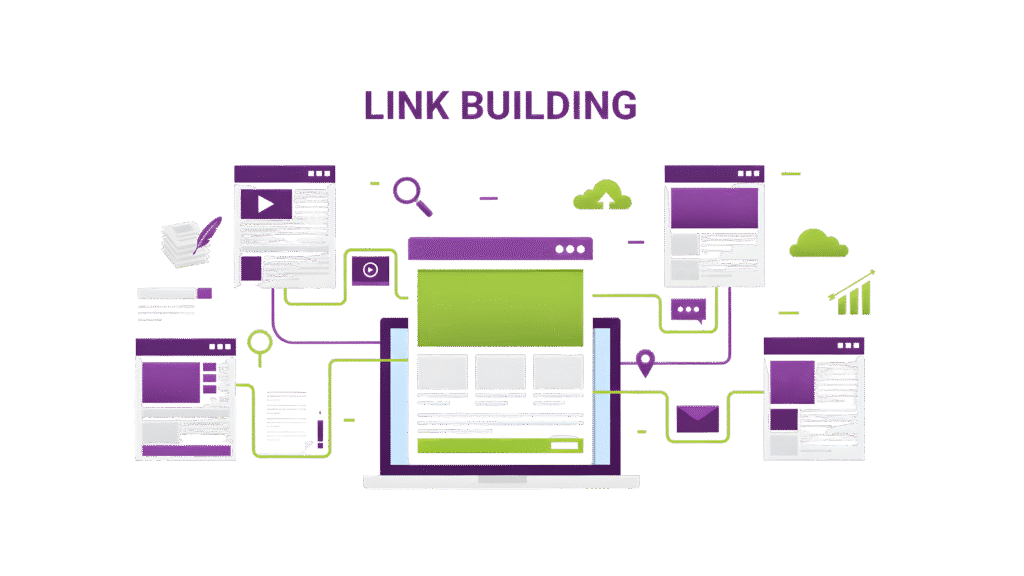
White label link building can work in YMYL niches only when the provider understands editorial standards, relevance alignment, and trust signals. Most do not.
Many providers rely on generic publisher lists, pre-approved blogs, and templated outreach. This approach works poorly in YMYL spaces because it ignores expertise validation.
If white label services are used, they must operate under strict guidelines that prioritize editorial quality over scale. Without this control, outsourcing becomes a liability rather than an asset.
Search engines reward links that feel natural within meaningful content. Contextual links embedded inside informative discussions pass stronger signals than sidebar links, author bios, or footers.
A single contextual link from a trusted, relevant source can outperform dozens of low-quality placements. This is why contextual link building service models outperform bulk link acquisition in YMYL niches.
Context reinforces relevance. Relevance builds trust. Trust supports rankings.
A safe strategy begins with understanding that link building supports authority. It does not create it on its own. Content quality, expertise signals, technical health, and brand presence must align.
Link acquisition should follow content publication, not precede it. Every link should support a page designed to rank for a defined intent.
Anchor text should remain natural. Sources should be vetted. Velocity should reflect organic growth. Anything that feels engineered should be avoided.
Recovering from Google penalties in YMYL spaces takes time and precision. The first step is a complete backlink audit to identify harmful patterns.
Toxic links must be removed or disavowed. Anchor profiles must be cleaned. Content credibility should be improved with expert validation, citations, and updates.
Once trust signals are rebuilt, safe link acquisition can resume gradually. Recovery is rarely quick, but it is possible with consistent corrective action.
Link building for YMYL niches requires a level of discipline that most standard SEO strategies do not. In these industries, success does not come from volume, shortcuts, or aggressive scaling. It comes from credibility built over time, relevance that reinforces expertise, and trust earned through association with respected sources. Every backlink serves as a signal of authority, and in YMYL spaces, that signal is closely evaluated.
Many techniques that still perform well in general SEO fall short when applied to sensitive sectors. Generic outreach, templated guest posting, or unchecked white label link building often introduce risk rather than growth.
Tactics that cannot withstand scrutiny eventually contribute to trust erosion or Google penalties, especially when patterns appear forced or artificial.
Every action must fit within a clearly defined niche SEO strategy. When these elements align, link building becomes a long-term growth asset rather than a liability. This is how YMYL SEO grows steadily, safely, and with confidence.
White label link building can work only when strict editorial and relevance guidelines are followed. Providers must prioritize credibility, contextual placement, and industry alignment over volume. Generic guest posting networks or pre-approved publisher lists create long-term risk. Without quality control, white label services often lead to trust erosion.
Contextual links sit naturally within informative content and support topical authority. Search engines see them as earned endorsements rather than engineered placements. In YMYL niches, contextual relevance helps validate expertise and trustworthiness. This makes contextual links far more effective than isolated or footer placements.
Links from irrelevant sites, paid placements without editorial context, and low quality guest posting networks are high risk. Over optimized anchor text and unnatural link velocity also raise red flags. In YMYL spaces, these patterns are detected faster and penalized more aggressively. Even a few bad links can weaken domain-wide trust.
Niche SEO requires backlinks to reinforce subject expertise within a specific industry. General links do not build authority in sensitive categories. Search engines expect YMYL sites to earn links from closely related, credible sources. This makes relevance more important than scale.
Link growth should align with content publishing and brand visibility. Sudden spikes often appear manipulative and can suppress trust signals. A steady, organic growth pattern is safer and more sustainable. Quality always matters more than speed in YMYL niches.
Brand mentions from trusted publications help establish credibility even when they are not linked. Search engines use these mentions as trust indicators. When converted into backlinks, they strengthen authority further. Digital PR plays a major role in earning these mentions.
Recovery starts with a detailed backlink audit to identify harmful patterns. Toxic links must be removed or disavowed carefully. Content credibility should be strengthened with expert input and authoritative citations. Once trust is rebuilt, link acquisition can resume gradually and safely.
