
How US Agencies Use Guest Posting to Build Authority for Clients
January 30, 2026





Behind every successful conversion-driven outreach campaign is one subtle, measurable force. This hidden factor is emotion.
Today, guest post and blogger outreach services like Fastlinko do more than secure links. Now, emotional story-telling in guest posts taps into psychology-based outreach.
What once focused on link placement now thrives on emotional accuracy and audience insight. In fact, this combination speaks directly to human intent. It shapes perception, strengthens recall, and amplifies influencer engagement metrics.
Guest posting can transform brand outreach from a transactional exercise into a relationship-building engine. Each carefully chosen platform, narrative angle, and pitch strategy contributes to your brand engagement.
To create content that truly connects, brands today need to understand the foundations of emotional storytelling from the very basics. It is this that elevates blogger outreach from simple link-building to a conversion driving tool.
Let’s discover how measuring emotional impact in blogger outreach campaigns helps to improve conversions for B2B brands.
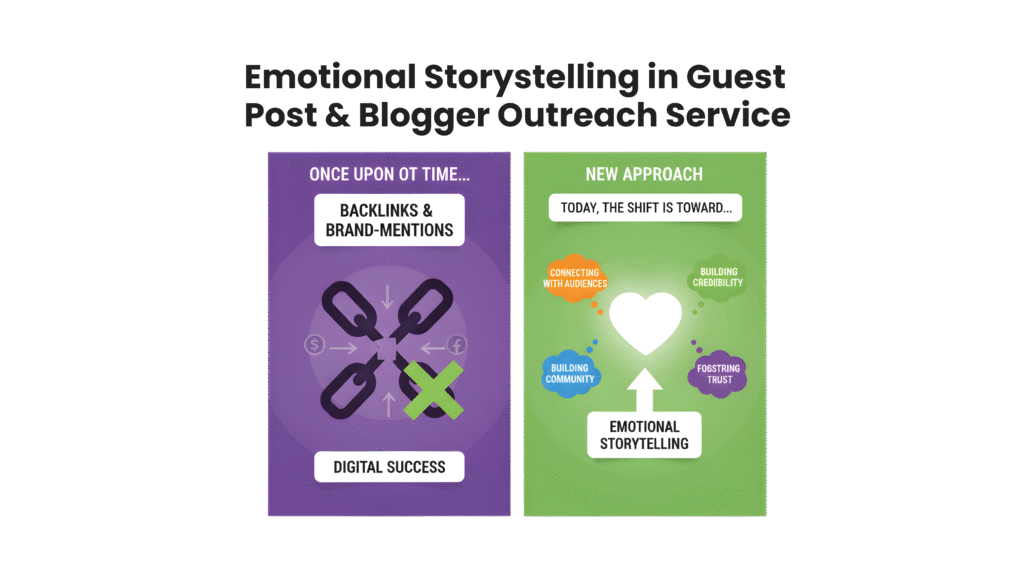
Once upon a time, backlinks and brand-mentions were the main factors for a brand’s digital success.
Today, the shift is toward emotional storytelling. Connecting with audiences on a human level, building credibility, and fostering trust is the core of psychology-based outreach.
When storytelling in guest posts is framed emotionally, it transforms from a marketing tactic and becomes a value based interaction. This communication resonates with readers, editors, and potential partners alike.
Here’s how emotional storytelling fits into in guest post & blogger outreach service:
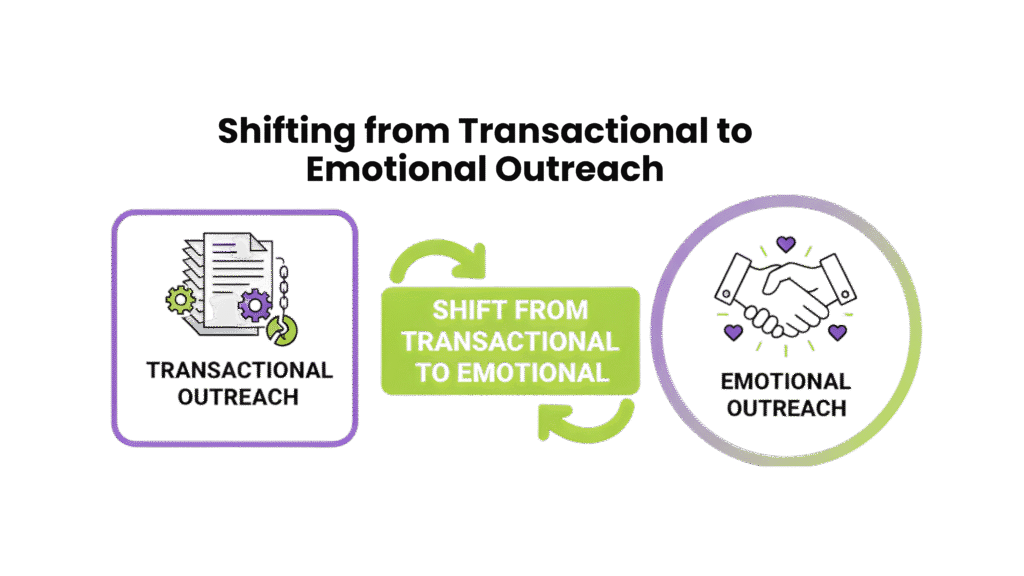
Traditional outreach methods often relied on volume. The more blogs your brand contacted, the higher the success rate of your digital marketing.
Modern guest post and blogger outreach services flip this approach around. Many brands want to create messages that feel authentic, human, and relatable. Humanizing their content, synchronising with shared experiences and showing empathy completely changes the interaction.
For example, instead of a cold link request, a brand may share a story of how their solution solved a common industry challenge. This type of content naturally encourages journalists and bloggers to engage, cite, and share your brand’s message. Thus they end up generating backlinks that carry genuine authority and relevance.
Three principles define high-impact emotional outreach:
Together, these principles anchor brand outreach campaigns in human experiences rather than just promotion.
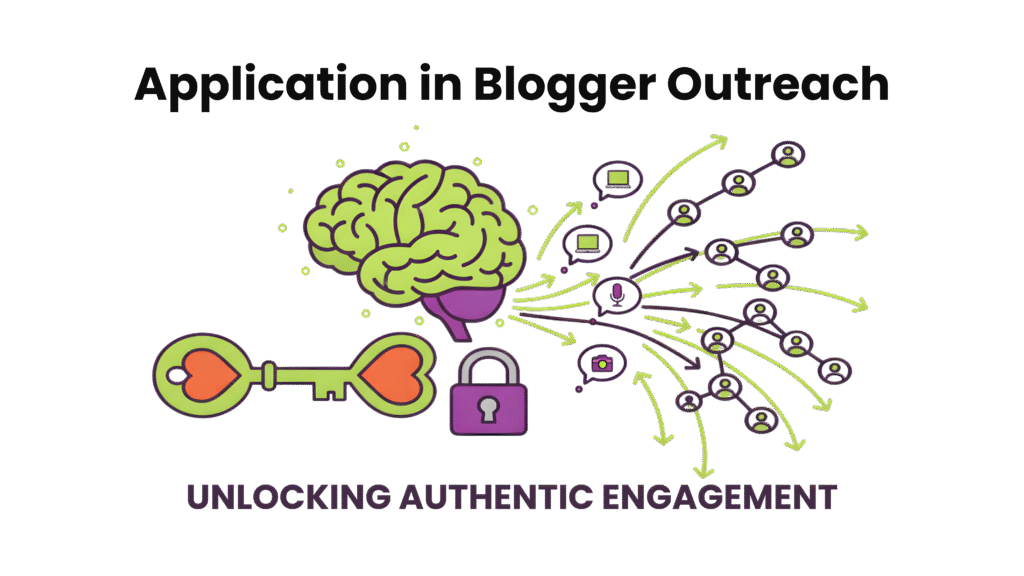
The most effective guest posts mirror your audience’s aspirations, goals, and concerns.
Instead of broadcasting a brand feature, these posts embed your brand’s message inside a narrative that readers truly care about. Psychology-driven outreach consistently improves engagement metrics.
Links acquired in this way are higher quality, contextually relevant, and likely to be shared across social channels.
Brands that apply this framework develop stronger relationships with influential bloggers. This increases content pick-up and improves referral traffic. Thus, emotion-driven strategies outperform purely transactional campaigns.
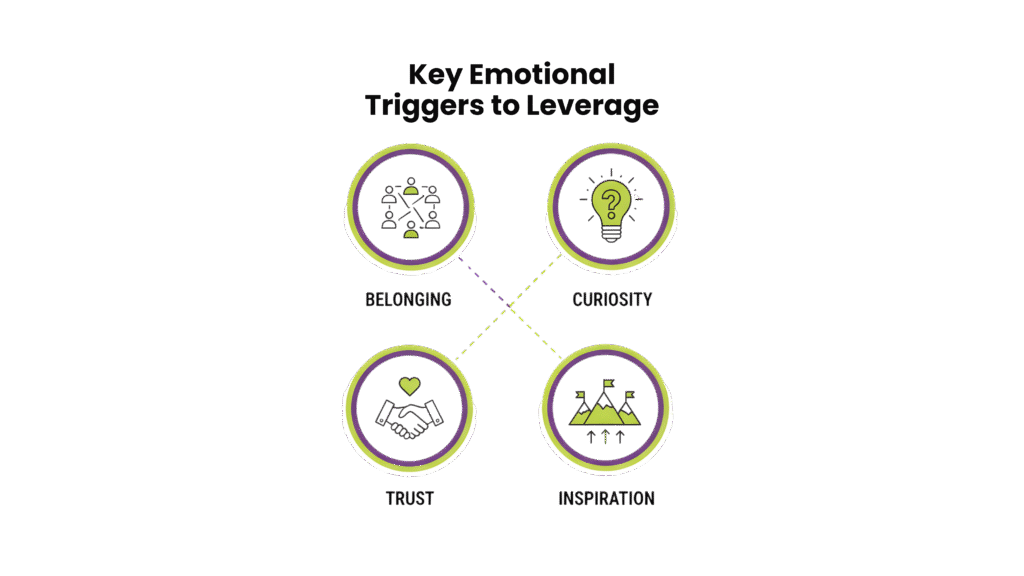
To make outreach impactful, guest post and blogger outreach services target some specific emotional triggers:
When applied thoughtfully, each of these emotional triggers amplifies the engagement and conversion potential of your brand.
Once emotional storytelling becomes an integrated part of your outreach strategy, the next step is measurement.
It’s critical to identify which narratives drive engagement, shares, and high-quality backlinks. This ensures campaigns are not just heartfelt, but also effective in delivering tangible outcomes.
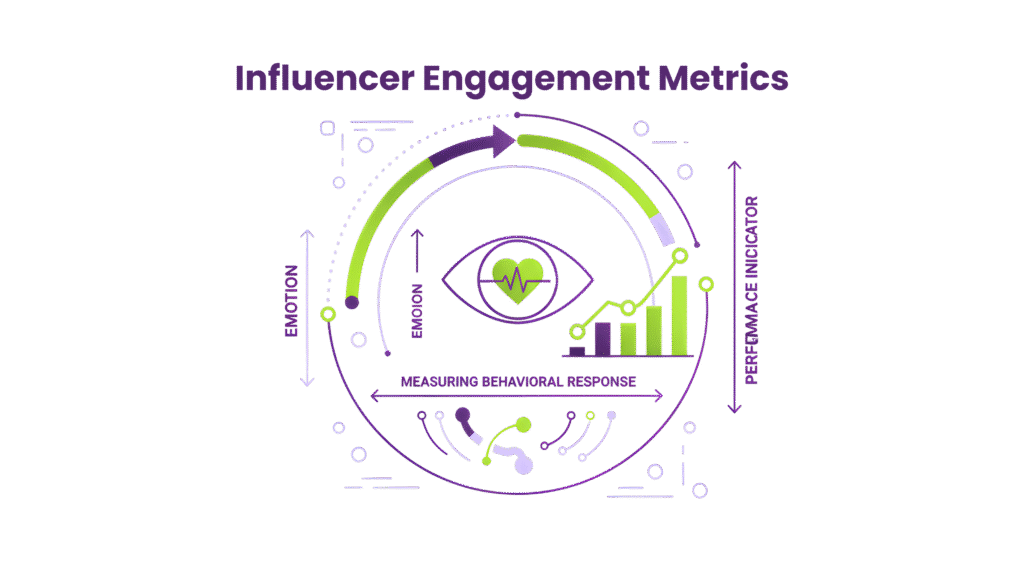
In today’s outreach ecosystem, emotions are measurable.
It’s no longer a creative afterthought, instead it’s a performance indicator. Brands that clearly quantify emotional responses shift from vanity metrics. They start seeing content as a behavioural motivator.
Every successful outreach campaign rests on one question. How did the audience feel?
Emotion drives recall, retention, and decision-making. When it comes to conversion-driven outreach, the emotional tone of a message decides its fate.
Emotional storytelling in guest posts controls whether a reader scrolls past, engages, or converts . When audiences connect with a story psychologically, they stay longer, interact deeper, and act faster.
Measuring emotion is not about chasing likes. It’s about decoding your user’s intent.
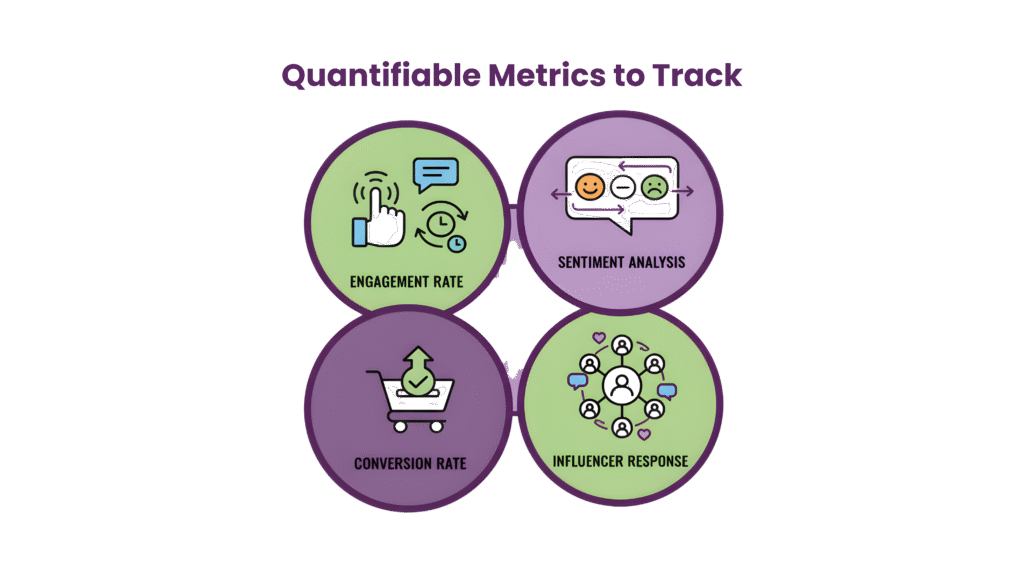
A data-first yet emotional guest posting strategy follows certain specific engagement indicators. These following markers reveal how your audiences are responding:
Together, these indicators turn soft emotional outcomes into hard data that can shape the direction of your future content.
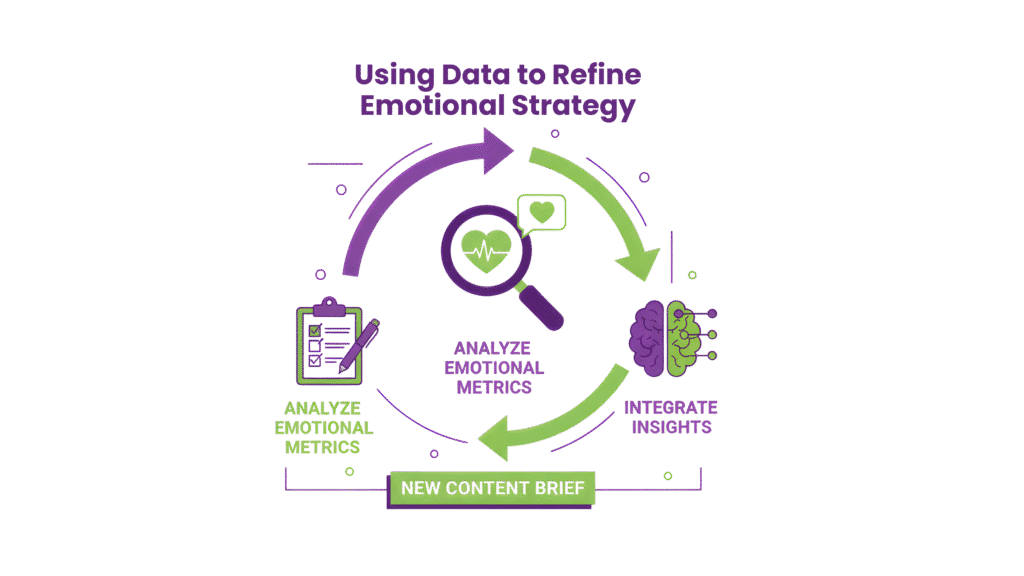
Measurements only add value when they actively inform you of strategy changes.
Once emotional metrics are mapped, brands can easily identify which tones and triggers generate stronger responses within their niche.
This approach replaces intuition with clarity, thus shaping content that feels real and raw yet still performs predictably. Emotion, once quantified, becomes a strategic asset. It allows brands to see what resonates and scale it deliberately.
Once emotion and measurement are integrated, the next step is to build a strategic system that connects psychology, metrics, and storytelling. Let’s understand how measuring emotional impact in blogger outreach campaigns improve conversions.
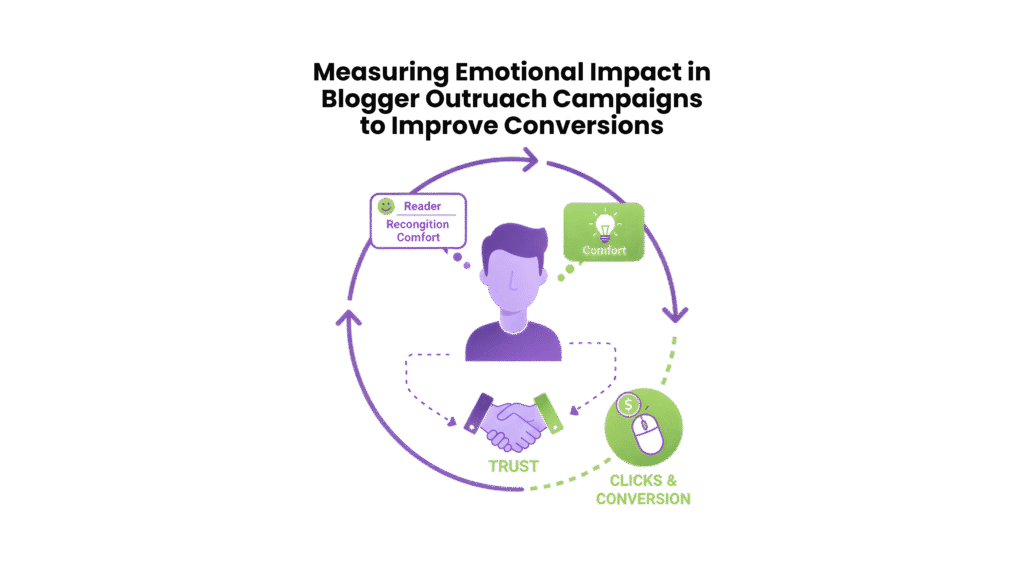
In most outreach campaigns, emotion hides in plain sight. It isn’t in your headline or your hashtags. It’s in how readers actually interpret intent.
When people feel understood, they engage. When they sense construction, they scroll past.
The challenge for modern psychology-based outreach isn’t learning how to add emotions. It’s learning how to measure when emotion works, and why it converts better than logic ever could.
Let’s take a look at how measuring emotional impact in blogger outreach campaigns works to improve conversions
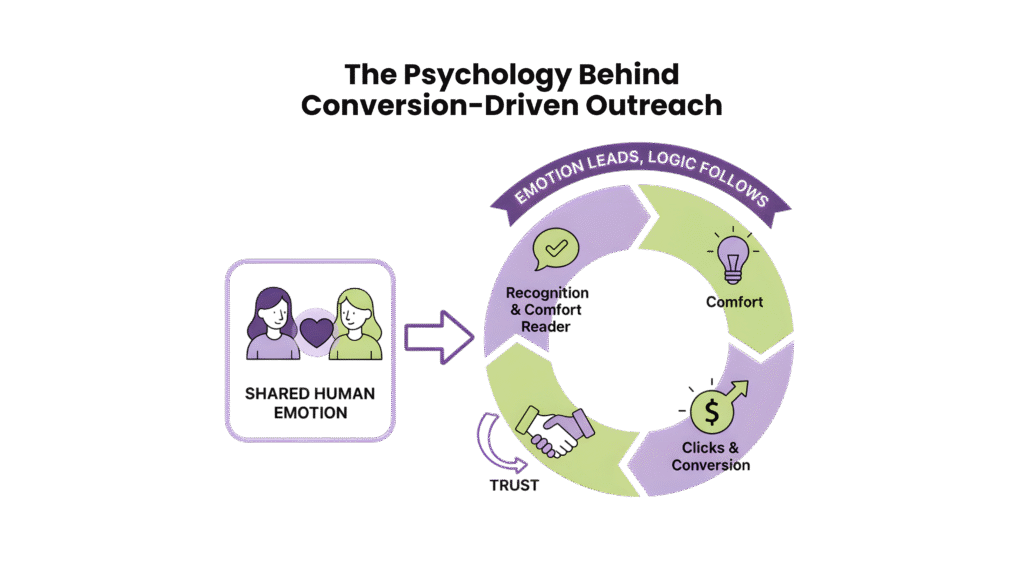
A pattern is visible across high-performing blogger collaborations. Here, emotion leads and logic follows.
The posts that convert don’t just present value. They let readers recognise themselves in the story. In digital landscapes, marketers talk about segmentation and personas. Still, emotion cuts across both.
It’s the shared human factor that turns any insight into action. When a guest post speaks to aspiration it triggers recognition and creates comfort. Comfort builds trust and trust leads to clicks.
This cause-and-effect chain defines conversion-driven storytelling. Data backs your content up, but the instinct comes first. The best campaigns are built by teams who understand both.
Every funnel stage brings a different emotional demand.
Instead of loud selling, emotional outreach builds quiet persuasion. It focuses on creating a natural tone that fits into how people make choices.
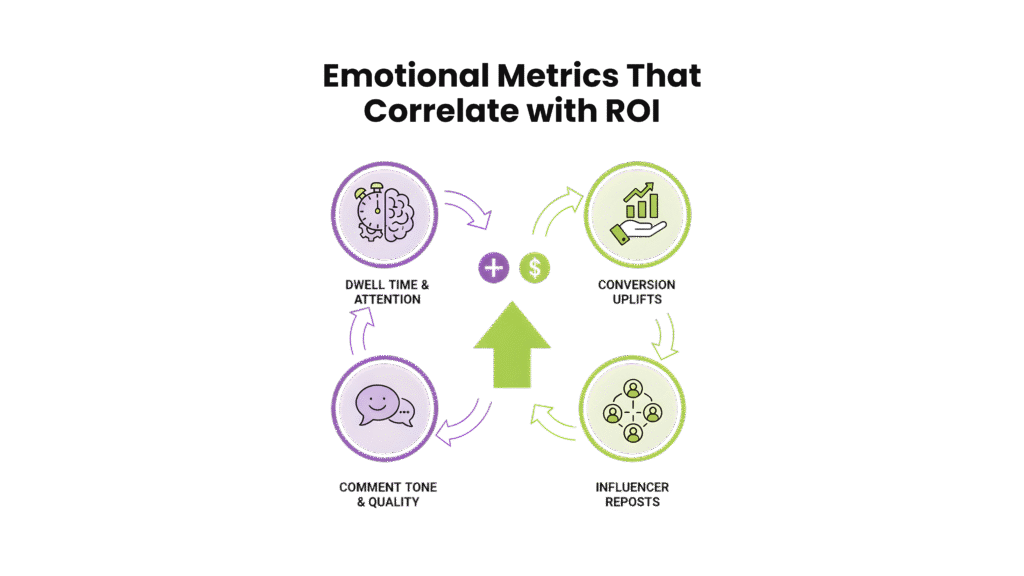
For outreach strategists, emotion needs data anchors. Metrics that track emotional results aren’t complex. They work on a behavioural basis.
Emotionally charged content earns up to twice the backlinks and three times the shares compared to neutral writing. It’s the emotional subtlety, not volume, that establishes trust.
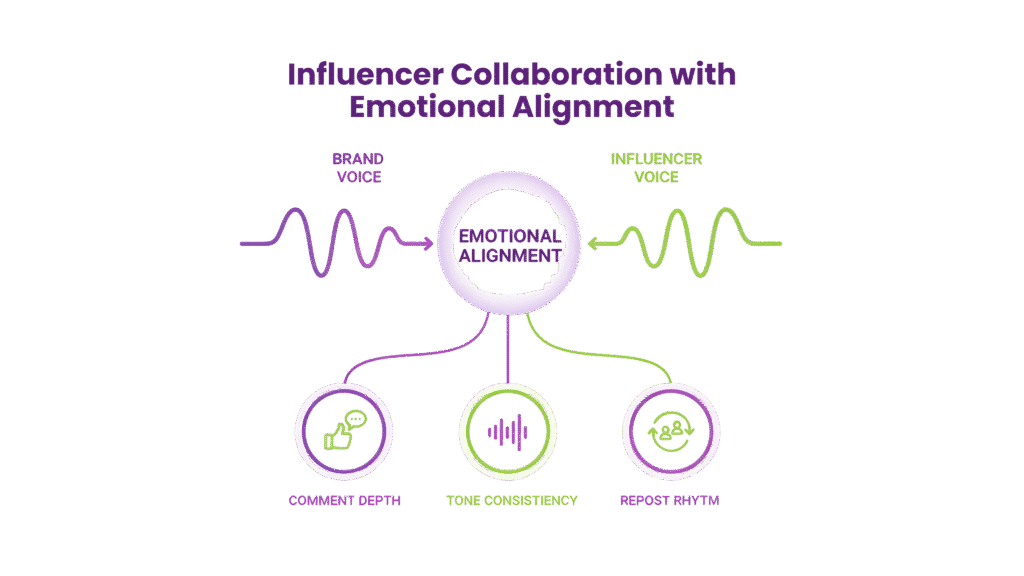
In 2025, influencer selection is like emotional architecture. Follower count is irrelevant for your brand if the tone doesn’t match your brand’s temperament.
The most successful collaborations happen when both the influencer and the brand voices share an emotional wavelength of curiosity, optimism, or clarity.
A small creator with consistent comment dialogue can easily outperform a macro influencer with polished but passive engagement.
Brands can evaluate emotional fit through:
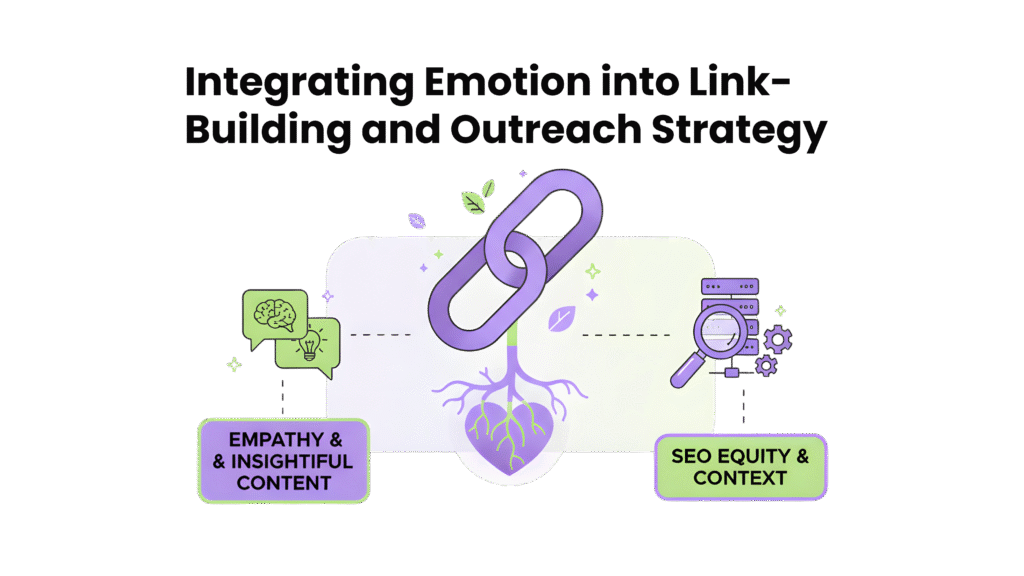
Emotion doesn’t replace structure, it enhances it. In link-building, emotion shapes why people share, not just where they link.
Guest posts built on empathy or insight attract organic backlinks from readers who feel represented. These links carry context, an important factor that algorithms value.
A paragraph that reads as a genuine reflection of audience struggle or discovery drives both emotional and SEO equity.
That blend of structure plus sentiment is what modern digital PR should look like.
Emotional storytelling compounds the same way as brand equity, through consistency.
Each authentic narrative creates trust in the audience’s memory bank. Over time, this repetition builds a pattern. Readers begin to associate your tone with reliability and relevance.
That’s why emotional measurement isn’t a one-time metric. It’s a brand health indicator.
Brands that repeatedly deliver emotional content earn recognition before attention. This is the highest level of audience trust.
In long buying cycles like B2B or SaaS, recognition shortens decision time and lowers churn.
Thus, emotion becomes both a performance lever and a loyalty mechanism.
Emotion isn’t the opposite of data. It’s what gives data a real meaning in our society.
The most forward-looking outreach teams in 2025 do not measure clicks in isolation. They correlate sentiment with conversion.
Leading industry experts like Fastlinko believe that storytelling should be built with empathy and tracked with precision. Once this is achieved, outreach stops being a campaign.
Then, it truly becomes influence engineered through understanding.
Psychology-based outreach understands the motivators of readers and influencers. It uses empathy and social validation to create a genuine rapport. Instead of mass outreach, this approach focuses on personal relevance. Thus it leads to higher acceptance rates, stronger collaborations, and more natural brand advocacy over time.
Metrics such as average comment depth, story responses, or time-on-content reveal emotional connection better than raw impressions. These qualitative signals help brands find creators whose audiences truly identify with their message. Here, ensuring outreach brings authentic influence, not inflated numbers.
Tracking qualitative engagement measures the impact of guest posts. This includes comments expressing relatability, shares with personal captions, and repeat traffic from emotional hooks. Furthermore, tools like sentiment analysis or engagement heatmaps reveal which tones relate the most.
By 2030, AI based sentiment mapping and behavioural analytics will refine emotional outreach. Brands will predict reader mood patterns and craft posts that respond to their needs dynamically. However, human authenticity will remain irreplaceable. It is the emotional nuance that makes digital storytelling truly persuasive and personal.
