
How US Agencies Use Guest Posting to Build Authority for Clients
January 30, 2026






When businesses invest time and resources into creating high-quality content, they often assume that traffic and search visibility will automatically follow. That isn’t always the case. Even with strong content, many websites struggle to achieve meaningful ranking positions in search engine results pages (SERPs). The truth is that content, while foundational, is only one piece of a broader ecosystem. To compete for top rankings consistently, you need to understand why content alone may not be enough and what other factors can derail visibility efforts.
In this blog, we’ll explore the most common reasons websites don’t rank well, even when their content is polished, insightful, and audience-focused. From technical issues and on-page optimization gaps to lack of organic link building and weak citation profiles, we’ll unpack the hidden elements that influence ranking performance and offer guidance that content creators, digital marketers, and business leaders can act on.
Many teams define good content based on readability, creativity, and relevance for users. However, search engines evaluate content through a different lens. Google and other engines analyze a wide set of signals including relevance to search queries, semantic depth, topical authority, and competitive context. If content isn’t aligned with user search intent and core keyword themes that users are querying, it won’t surface high in rankings regardless of how well written it may be.
Good content in isolation may fail to cover related subtopics that Google deems important. It may not match the distribution of long-tail keywords or address the questions users are actively asking throughout their buyer journey. Without considering these aspects, content can read beautifully and still miss ranking for meaningful search phrases.
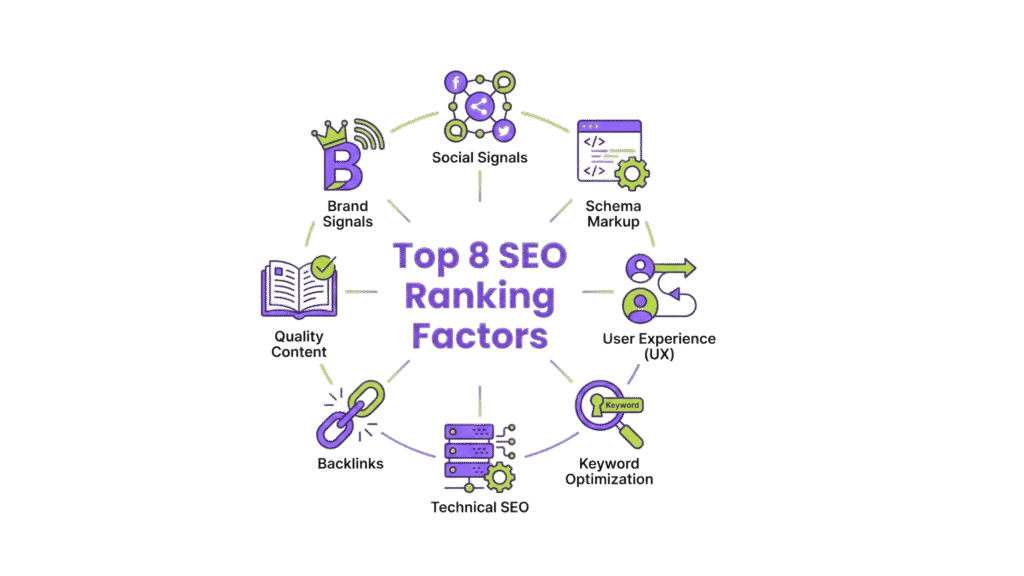
Search engines use complex ranking algorithms with hundreds of signals that extend beyond mere content quality. Some of the most influential factors include:
Technical SEO shapes how easily search engines can crawl, index, and interpret your website. If bots encounter structural issues, your content may never reach the index or be fully processed. Common technical problems include slow page speed, improper indexing directives, crawl errors, broken links, and poor mobile experience.
Even with excellent content, technical inefficiencies can block search engines from accessing your pages efficiently. For example, slow load times frustrate both users and crawlers, reducing the likelihood of content discovering its full potential in SERPs.
On-page SEO refers to how well your content pages are optimized for target keywords and user intent. If your titles, headings, meta descriptions, and body copy aren’t aligned with the specific phrases users are searching for, your content may be misinterpreted or ranked lower. Targeting broad terms without weaving in relevant modifier keywords or failing to use structured heading tags can undermine visibility.
Many businesses assume that including a primary keyword a few times is sufficient, but search engines evaluate semantic richness, entity associations, and contextual relevance as well. This means a deeper approach to keyword integration and content structure is necessary.
Search engines strive to direct users to trustworthy, authoritative content. Websites that have established credibility through consistent content performance, strong backlink profiles, and relevant external references are more likely to secure higher rankings.
A content page without established authority signals may struggle to compete against other websites with stronger historical performance and trust metrics. Trust signals stem from sources like secure site certificates, positive user engagement metrics, and backlinks from reputable domains.
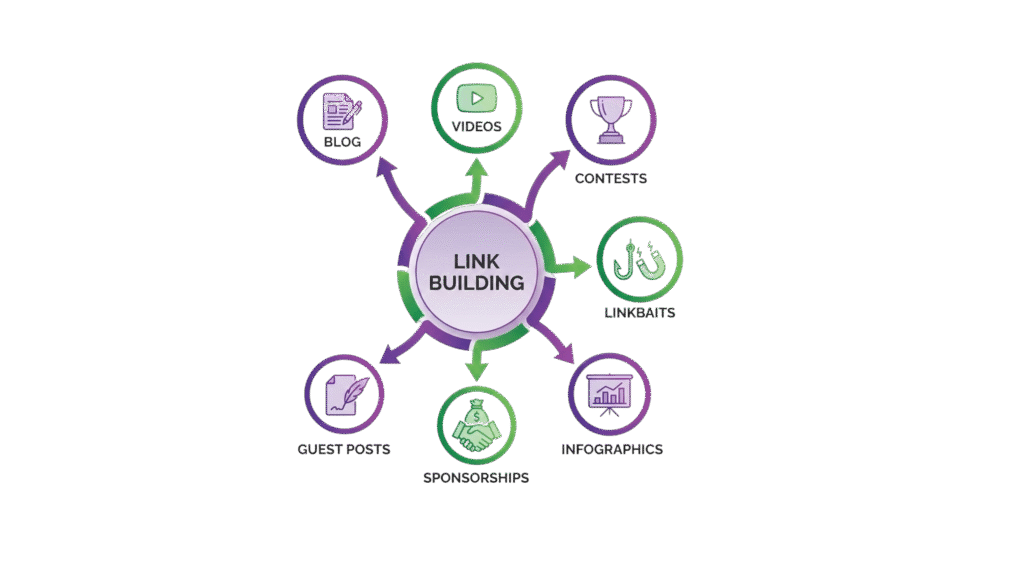
Organic link building is one of the most significant reasons sites fail to rank, even with quality content. Backlinks, hyperlinks from other websites pointing to your content, act as endorsements in the eyes of search engines. They communicate authority, relevance, and trustworthiness. When your content earns high-quality links naturally, search engines interpret that as a validation of its value.
Many content strategies focus solely on publishing content without engaging in proactive link cultivation. Content without links often stays invisible in competitive SERPs because it lacks the external reinforcement required to outperform rivals.
Search engines use backlinks as a proxy for real-world authority. Even if your content is comprehensive, if no other sites reference or link to it, algorithms may assume it’s less valuable than similar content that has earned citations from established sources.
Effective organic link building involves outreach, partnerships, guest publishing, influencer collaboration, and digital PR efforts that generate awareness and bring credible sites back to your content. This builds both traffic and ranking potential over time.
For businesses that depend on local search visibility, citation profiles are extremely important. Citations are mentions of your business name, address, and phone number (NAP) across online directories, business listings, and relevant platforms. While citations don’t directly factor into global search ranking, they are foundational to local SEO.
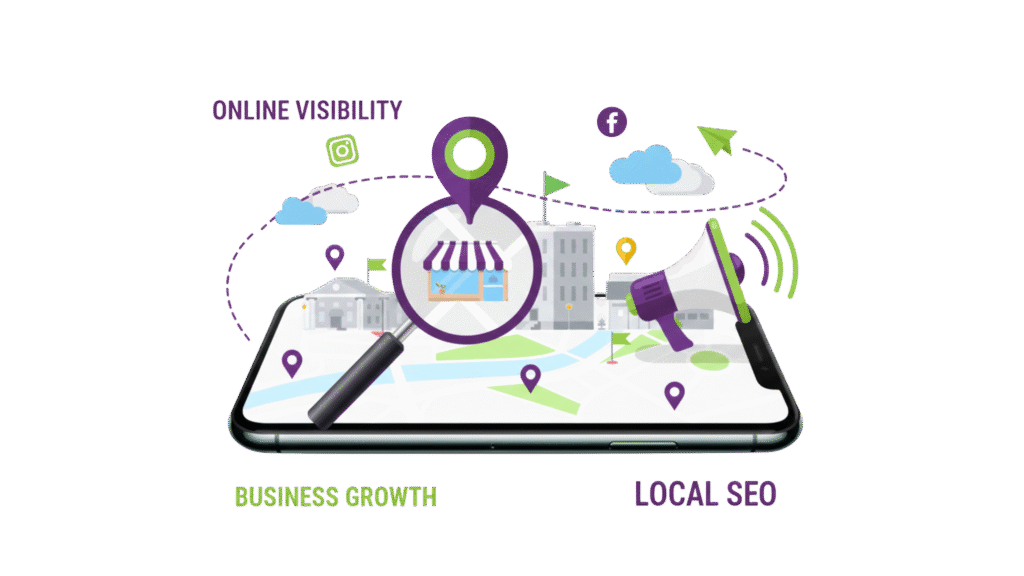
Inconsistent or missing citations can cause confusion for search engines and users alike, which weakens your overall visibility in local results, especially on Google Maps and local packs. Citation building services help ensure consistent NAP information across high-value local directories, industry-specific portals, and reference sites. Without accurate citations, search engines may struggle to verify the legitimacy of your business or associate your content with your brand authority.
It’s easy to assume that content addressing a topic once is sufficient. However, search performance is often determined by how comprehensively your content covers a topic compared with competitors. Content gaps happen when you miss addressing related subtopics, questions users frequently ask, or search queries that split traffic across keyword variations.
For example, if you publish a page about “organic link building” but never address how link velocity, anchor text diversity, or link quality influence outcomes, your page might fall short relative to pages that cover those angles. Competitor content that covers more angles tends to rank higher because search engines see it as better satisfying user intent.
Conducting content gap analysis helps identify missing keyword opportunities and question patterns that audiences are searching for. Tools like keyword research platforms and search analytics reports reveal these gaps, empowering you to expand your content’s relevance and authority.
High-quality content that fails to align with search intent rarely ranks well. Search intent refers to the motivation behind a user’s query, whether they want to learn, compare options, make a purchase, or find a specific page. If a piece is optimized primarily for informational content but users are searching with transactional intent, search engines will prioritize pages that match user expectations more closely.
Understanding intent requires analyzing existing high-ranking pages for your target keywords. Are they “how-to” guides, product comparisons, or vendor pages? Matching that tone and intent in your content increases the likelihood that search engines will position your pages where users are actively looking.
Search engines incorporate user behavior data, such as click-through rates (CTR), bounce rates, dwell time, and repeat visits, to gauge how effectively a page satisfies user needs. When your content fails to engage users, search engines may interpret that as a sign that it’s not fully meeting expectations for that query.
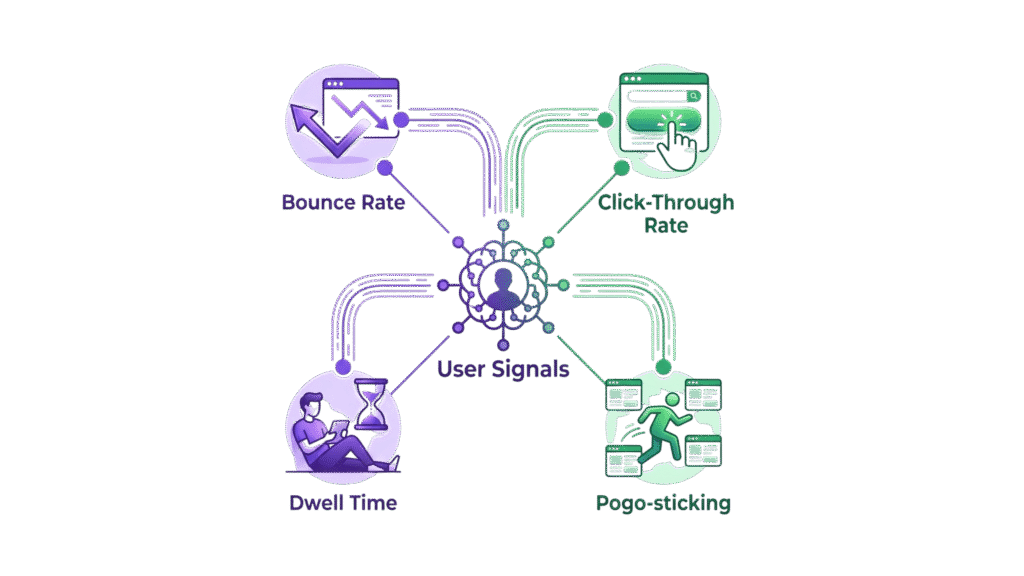
For example, if your page appears in search results but has a low CTR, Google might conclude that your title and meta description are not compelling or relevant enough. Similarly, if users click through but exit immediately, that could indicate your content doesn’t match what was promised.
Improving user engagement through compelling meta descriptions, clear structure, relevant visuals, and actionable insights can influence how search engines position your content over time.
Internal linking helps distribute authority across your site and signals important pages to search engines. If your content exists in isolation without incoming internal links, it may receive less crawler attention and authority weighting compared with pages that are tightly integrated into your site’s architecture.
Effective internal linking connects relevant topics, strengthens topic clusters, and facilitates deeper discovery for both users and search bots. Skipping this step can leave key pages orphaned, leading to missed ranking opportunities.
Search engines continually refine their algorithms, changing how ranking signals are evaluated. Even if your content once performed well, an algorithm update can shift priorities toward different elements like entity relevance, freshness, user intent alignment, or trust signals.
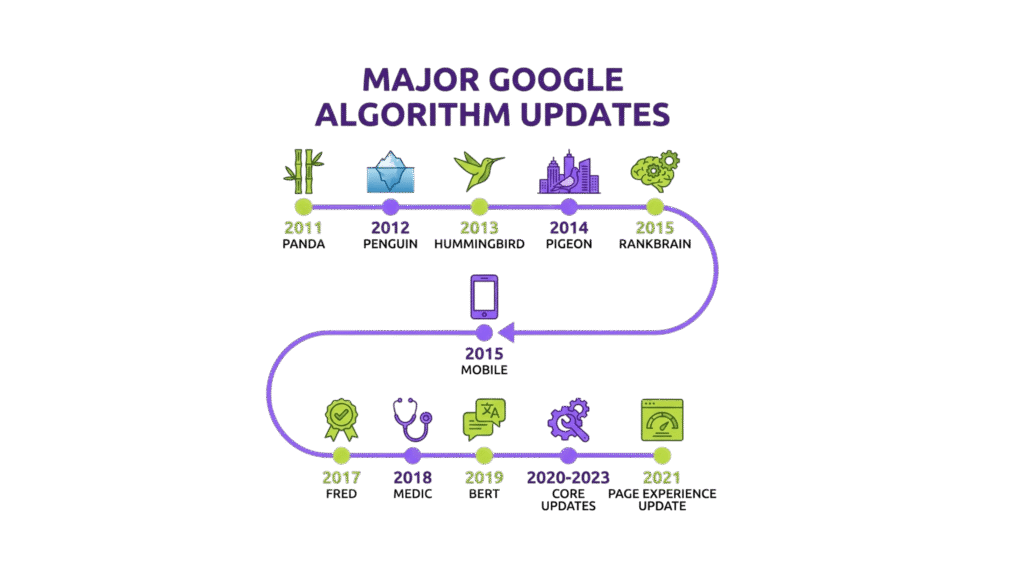
If your strategy remains static while search technology evolves, it may fall out of step with the latest ranking criteria. Staying current with algorithm trends and adjusting your approach accordingly ensures your content maintains relevance in dynamic search landscapes.
Search engines penalize duplicate content because it signals a lack of originality and value. Similarly, thin pages that provide sparse information without depth are unlikely to outrank more complete resources. Even user-generated content, product descriptions, or category pages can inadvertently contain duplicated elements that harm search visibility.
Audit your content regularly to identify and improve pages with overlapping topics or insufficient substance. Consolidating similar pages and enriching sparse ones can improve rankings by clarifying your site’s thematic authority.
Schema markup, structured data that communicates page information to search engines, doesn’t directly affect rankings, but it enhances how your content appears in SERPs. Rich results like FAQs, ratings, and product details increase visibility and click-throughs. Pages lacking schema may miss out on search features that competitors exploit to attract more traffic.
Similarly, missing open graph tags or canonical tags can cause indexing and sharing issues that indirectly weaken performance. Paying attention to these technical elements ensures search engines interpret your content correctly.
Not all links are equal. Many businesses pursue high volumes of backlinks without regard to quality. Google and other search engines evaluate the relevance and authority of linking domains. Links from low-trust or spammy sites can dilute your authority or even trigger algorithmic penalties.
Quality backlink profiles are built through targeted outreach to industry authorities, partnerships with relevant domains, and earning natural mentions from respected publications. Without strategic focus, backlink efforts may generate noise rather than meaningful ranking influence.
Posting content and hoping it ranks organically is a passive strategy with limited upside. Content promotion helps search engines discover your pages faster and invites other publishers to link to you. Promotion can include social amplification, email newsletters, influencer engagement, press releases, and syndication.
Without promotional activity, even great content can remain undiscovered, receiving minimal clicks and low engagement, which in turn signals engines that the content may not be a high-value resource.
Some search topics are intensely competitive. When every ranking page is authored by brands with deep SEO resources, strong link profiles, and established domain authority, new content faces an uphill battle. In these cases, ranking isn’t solely about content quality; it’s about outperforming well-entrenched competitors by offering greater depth, unique insights, or refreshed perspectives.
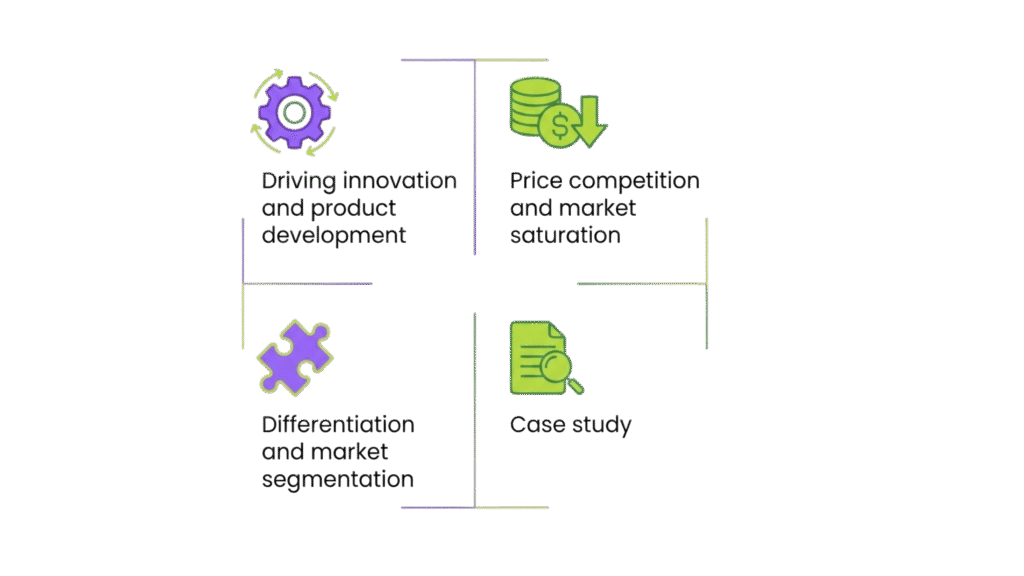
Competitive analysis helps identify where you genuinely can compete and where you may need to differentiate more significantly, or target subtopics with lower competition and higher relevance.
When content planning lacks cohesion, rankings suffer. Publishing standalone articles without interrelation, or targeting similar keywords across many pages, results in keyword cannibalization and diluted authority. A strategic content architecture aligned with business goals and keyword mapping ensures each piece supports others rather than competing against them.
A unified content strategy that connects themes, supports funnel stages, and serves targeted queries improves both user experience and search visibility.
Search engines value content that remains relevant and up to date. Static content that lacks timely updates may gradually lose ranking positions to fresher resources that reflect new developments, trends, or insights.
Regularly refreshing evergreen content, adding new examples, statistics, or perspectives, signals to search engines that your pages remain authoritative on a subject and worthy of higher placement.
Strong content is essential, but content alone does not guarantee search success. Ranking is influenced by a complex interplay of technical factors, external validation through organic link building, accurate citation profiles for local search, deep user-centric insights, and strategic optimization across multiple dimensions.
To improve rankings for content that already delivers value, businesses must:
By addressing these multi-faceted influences holistically, you give your content the environment it needs to compete and thrive in search engine rankings. Ranking success is never the result of a single action, it’s the outcome of integrated SEO practices, continuous optimization, and strategic focus on both the content and the ecosystem around it.
Backlinks remain one of the strongest ranking signals because they act as trust signals from other websites. Even excellent content can struggle if it lacks organic link building from relevant and authoritative sources. Search engines use links to measure credibility and topical authority. Without them, your content may appear less reliable than competitors with stronger link profiles.
Yes, technical SEO problems can significantly limit ranking performance. Issues such as slow page speed, crawl errors, mobile usability problems, or incorrect indexing signals can block search engines from properly accessing your content. When technical foundations are weak, content quality becomes secondary. Fixing these issues often leads to noticeable ranking improvements.
Content gaps occur when your pages don’t fully address related subtopics or common user questions. Search engines tend to rank pages that provide broader coverage of a topic and answer multiple intent variations. If competitors cover those missing areas, they are more likely to outrank you. Filling content gaps helps build topical authority and relevance.
Search intent determines what type of content users expect to see for a query. If your content doesn’t match that intent, search engines may prioritize other pages even if your writing is strong. For example, an informational article may not rank for a keyword with commercial intent. Matching content format, depth, and tone to intent improves ranking chances.
Citation building services are especially helpful for local SEO and location-based searches. Accurate and consistent business listings help search engines verify your brand’s legitimacy. Poor or inconsistent citations can weaken local visibility, even with strong content. While citations don’t replace backlinks, they support trust and relevance signals.
Yes, weak internal linking can reduce the visibility of important pages. Internal links help search engines understand site structure and distribute authority across pages. Content that lacks internal links may be crawled less frequently or seen as less important. Strategic internal linking strengthens topical relevance and improves indexation.
Competitors may have stronger domain authority, better backlinks, or a more established content history. They might also have better user engagement signals such as higher click-through rates or longer dwell time. Search engines evaluate the overall site strength, not just individual pages. This means content must compete within a broader SEO ecosystem, not in isolation.
