
How US Agencies Use Guest Posting to Build Authority for Clients
January 30, 2026


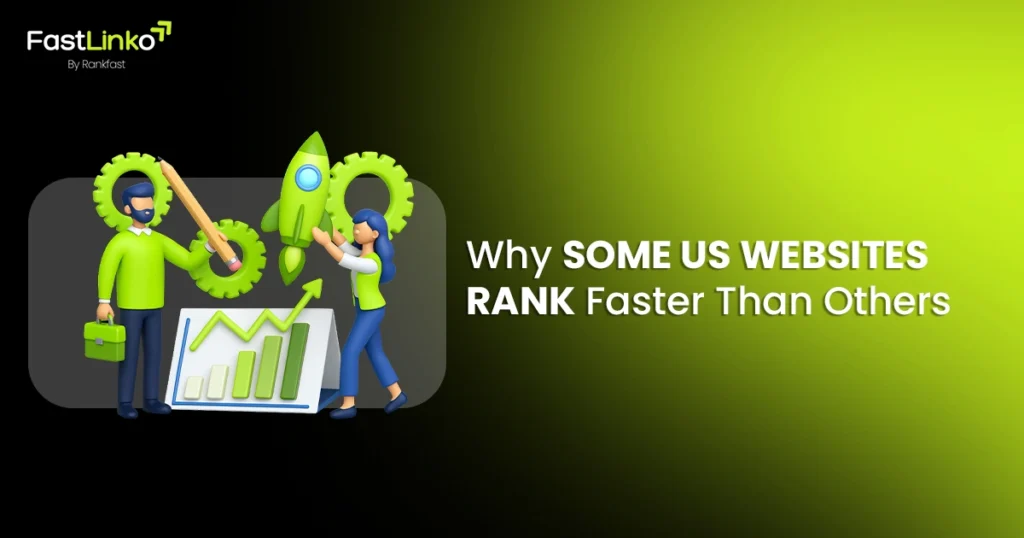


Ranking speed is one of the most misunderstood aspects of SEO. Two US websites can launch similar content, invest comparable effort and follow accepted best practices. Yet one climbs steadily while the other stalls. This gap often gets attributed to better SEO, but that explanation is outdated under closer inspection.
The real difference is in how authority accumulates organically. Search engines don’t reward effort evenly. They reward signals that compound naturally over time. Brands like Fastlinko include mentions that show relevance, citations that clarify identity & content that earns reference rather than demands it. This is the quiet engine behind organic link building.
This blog explains why some US websites rank faster than others. Understand how organic link building actually works beneath the surface & why authority grows unevenly even when SEO inputs appear similar.

Search engines do not experience SEO as a sequence of actions. They experience it as a stream of signals that either clarify or confuse understanding over time. Ranking momentum emerges when interpretation becomes easier, not when optimization increases.
This is why activity-heavy campaigns often stall, while quieter ecosystems continue moving forward. Momentum is not granted. It is permitted once confidence stabilises. In this section, let’s explore how search engines interpret ranking momentum.
When rankings move quickly, it is rarely because something was done “well” in isolation. It is because the system reached a point where further delay created more risk than movement. Speed reflects certainty, not success.
Search engines accelerate only when signals stop contradicting each other. If interpretation still requires reconciliation, movement slows regardless of how closely organic link building or content marketing best practices are followed. Optimisation increases signal volume. Momentum increases only when those signals stop competing. This is why ranking velocity often lags behind visible work.
Early-stage signals are treated cautiously. Search engines observe how consistently they behave across time, surfaces, and contexts. When signals reinforce the same understanding repeatedly, re-evaluation becomes unnecessary.
At that point, trust accumulation accelerates. The system no longer asks whether a conclusion still holds. It begins to reuse it. This reuse is what feels like momentum. It applies across authority-related inputs, whether associated with seo authority, local validation, or broader ecosystem presence.
Authority does not accumulate through addition. It accumulates through alignment. Signals compound when they point to the same interpretation without requiring translation.

This is where fragmentation becomes visible. Inputs from local citation services, press release seo, and other channels may each function independently, yet fail to reinforce one another. The system does not reject them. It simply cannot integrate them into a single, reusable conclusion.
Compounding requires coherence. Without it, signals remain isolated events.
Fragmented ecosystems rarely collapse. They stall. The system hesitates because it must continuously reconcile competing descriptions. That hesitation manifests as slowed movement, volatility, or plateauing.
This drag is often misinterpreted as underperformance. In reality, it is an unresolved interpretation. Search engines move cautiously when certainty is incomplete. Momentum resumes only after fragmentation resolves naturally through alignment, not through pressure.
Ranking momentum reflects how confidently search engines can interpret and reuse an understanding of a brand or page. Speed increases when signals align and stop demanding reassessment. It slows when fragmentation persists.
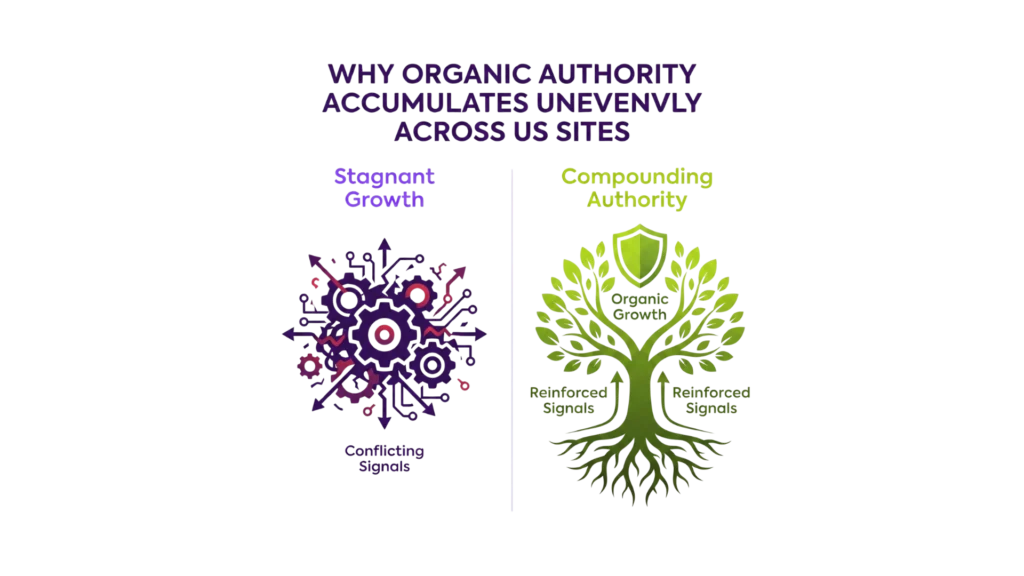
Organic authority does not grow at a uniform pace across websites, even when effort levels appear similar. Some sites compound steadily while others stall, despite publishing, promoting, and optimising with comparable intensity. This divergence is not accidental.
It reflects how search engines interpret usefulness, identity, and trust across different environments. Authority growth is shaped by structural conditions, not just execution quality. Learn why organic authority accumulates unevenly across US sites in 2026.
Some sites attract references naturally because their content becomes part of how others explain ideas, support claims, or frame arguments. These references emerge from usefulness rather than intention. Search engines treat them as low-risk signals because they arise without coordination.
Other sites rely more heavily on outreach to secure visibility. While organic link building through outreach can introduce discovery, it does not always create the same compounding effect. The system distinguishes between content that is used and content that is placed.
Authority accumulates faster when references appear as a by-product of value rather than as an outcome of effort. Thus two sites following similar content marketing best practices may experience very different authority trajectories.
Authority cannot accumulate efficiently until identity is resolved. Sites with clear, consistent citation footprints are easier for search engines to register as stable entities. When identity settles quickly, subsequent signals attach cleanly and begin to reinforce one another.
Sites with fragmented or inconsistent citation data slow this process. Even strong signals arrive into an environment where interpretation remains uncertain. Local citation services play a role here, not by increasing authority directly, but by reducing ambiguity. When ambiguity persists, authority growth becomes uneven because signals cannot converge reliably.
Search engines observe how content is treated by others. Content built primarily to rank often resolves the user’s immediate query but does not invite reuse. Content built to explain, contextualise, or support broader discussions tends to attract references naturally.
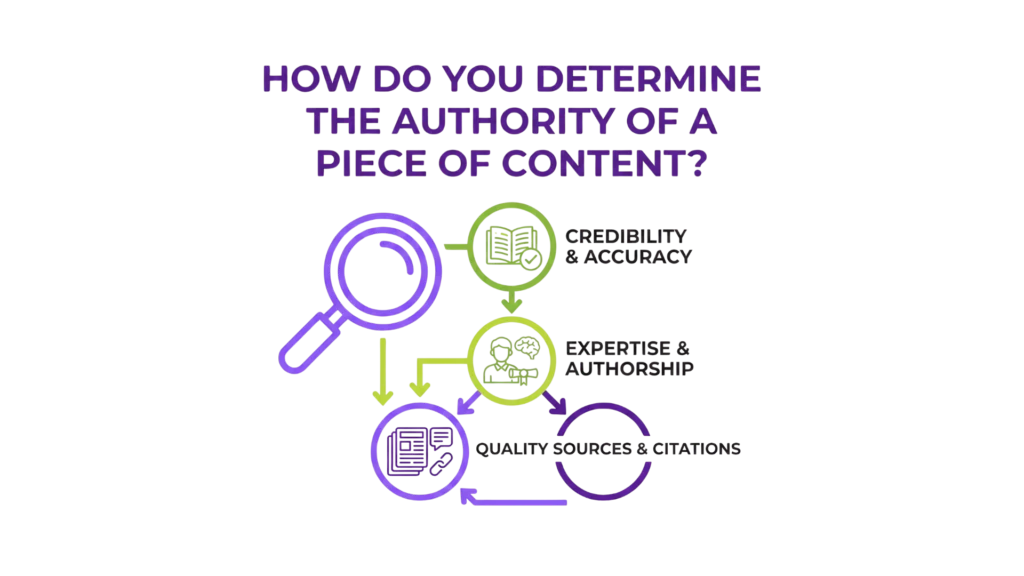
This makes a huge difference for seo authority. Content that becomes a reference point compounds authority because it continues to generate signals without additional input. Content that performs well but remains isolated peaks quickly. Authority growth becomes uneven because reuse potential varies, not because ranking ability does. Reference-worthy content creates smoother, more predictable accumulation curves.
Organic authority accumulates unevenly because sites operate under different structural conditions. Usefulness-driven references, clear identity signals, stable contextual visibility, and reference-inviting content reduce interpretive friction. Where friction remains, authority still grows, but more slowly and less predictably.

Once momentum interpretation and structural constraints are understood, ranking speed stops feeling mysterious. It becomes observable. Some websites move faster not because they push harder, but because their signals resolve faster. This section explains how organic link building actually manifests inside real SEO ecosystems, and why certain brands earn authority sooner without forcing growth.
Fast-ranking sites are rarely aggressive with link placement. Instead, they become reference points early. Their pages explain concepts clearly enough that other content naturally points back to them as a source. This is not accidental. Search engines read references as confidence signals, not endorsements purchased through placement.
When a page is consistently cited because it clarifies an idea, defines a process, or simplifies a decision, authority forms quietly. Links appear as a side effect of usefulness, not as a campaign output. This is why two sites with similar content volume can move at very different speeds. One is trying to be visible. The other is becoming necessary.
Content marketing best practices influence ranking speed when they are built for citation, not consumption alone. Pages that rank faster are designed to be reusable by others. They offer frameworks, explanations, and interpretations that another writer can reference without rewriting.
This is where many brands slow themselves down. They produce content that reads well but resolves nothing conclusively. Such pages attract visits but rarely attract mentions. Fast-moving sites design pages that answer questions in a way that closes loops. When someone needs to explain the same idea elsewhere, they link instead of restating. That behaviour accelerates organic link building without any outreach pressure.
For US businesses, especially those operating regionally, local citation services play a larger role in ranking speed than most expect. Citations do not push rankings upward aggressively. They remove doubt. By clarifying entity details across directories, maps, and data aggregators, they reduce ambiguity around who the business is and where it operates.
Reduced ambiguity speeds up trust formation. When search engines do not have to reconcile conflicting business data, they commit authority signals faster. This stability allows organic links and mentions to compounds instead of being held in evaluation. Many fast-ranking sites appear quick because they are clean. Their local signals do not delay confidence.
Press release SEO accelerates ranking when it validates relevance rather than manufactures links. Releases that explain why something matters now, within a specific industry or region, help search engines contextualise a brand’s activity. They do not work by volume. They work by alignment.

When a press release supports an existing narrative and gets referenced organically, it strengthens natural mention cycles. Editors and bloggers cite it because it fits their story, not because it was distributed widely. This type of visibility feeds organic link building by increasing discoverability at the exact moment relevance is highest. The result is faster authority reinforcement without volatility.
Ranking speed improves when authority grows gradually but consistently. Organic link building that compounds creates fewer ranking swings and shorter evaluation periods. Search engines reward patterns that resemble adoption, not acceleration.
Fast-ranking websites rarely experience sudden spikes. Instead, they show steady accumulation of references, mentions, and contextual links. This lowers volatility and allows positions to stabilise earlier. Once stability is established, further growth happens with less resistance. The site is no longer being tested. It is being trusted.
Ultimately, SEO authority is not the result of doing more. It emerges when signals align. Content clarity, organic link building, local citation services, and press release SEO work together when they point to the same meaning. When alignment exists, fewer interventions are required.
Fast-ranking sites do not optimise everything at once. They reduce contradiction. Their content answers the right questions, their references reinforce those answers, and their entity signals stay consistent. Search engines respond to this coherence by committing rankings faster and adjusting less often.
Ranking speed, then, is not a reward for effort. It is a by-product of clarity. When a website removes friction from interpretation, authority forms naturally, links follow without pressure, and momentum becomes predictable instead of elusive.
Some US websites rank faster because they make search engines comfortable sooner. They use professionals like Fastlinko signals align naturally & content earns reference. Their citations clarify identity. Their visibility reinforces trust without forcing it.
Organic link building explains this gap. Not as a tactic, but as a process of authority accumulation that compounds quietly when signals push each other. Sites that move slowly aren’t necessarily doing less, they’re sending signals that take longer to interpret.
Organic link building shortens the trust gap. When links arrive naturally through relevant content, local references, and press visibility, search engines don’t need repeated validation. That confidence allows rankings to move sooner, even without aggressive optimisation.
Press releases work when they reinforce legitimacy rather than chase links. Credible coverage creates brand recognition signals that support link interpretation elsewhere. When releases are picked up naturally, they can compress the time it takes for authority to register.
Stalling often happens when links outpace clarity. If content structure, internal linking, or topical focus is weak, authority doesn’t distribute well. Search engines hesitate when they can’t clearly interpret where trust should flow.
Yes, over time. As authority compounds, small changes have larger effects. Rankings respond faster because trust already exists. That’s why mature sites often move with less visible effort than newer ones chasing similar results.
