
How US Agencies Use Guest Posting to Build Authority for Clients
January 30, 2026





In 2025, every guest post carries weight. But, not all of them carry value.
The difference lies between guest posting sites where you publish and why. Paid guest posting services have multiplied in the last few years. Today, many B2B brands find themselves caught between platforms that promise reach and those that actually deliver.
The truth is, Google no longer rewards volume. It rewards context.
Search engines now read beyond backlinks. They look for intent, topic alignment, and how users respond after click. That’s where a paid guest posting site like Fastlinko can make or break the ROI of campaigns. Simply by placing content where relevance, not volume, drives visibility.
This blog finds genuine SEO guest post opportunities among low-impact placements. You’ll learn how to identify platforms worth investing in, measure engagement, and choose the paid guest posting sites for authority that lasts.
Because in this landscape, strategy outperforms shortcuts every single time.
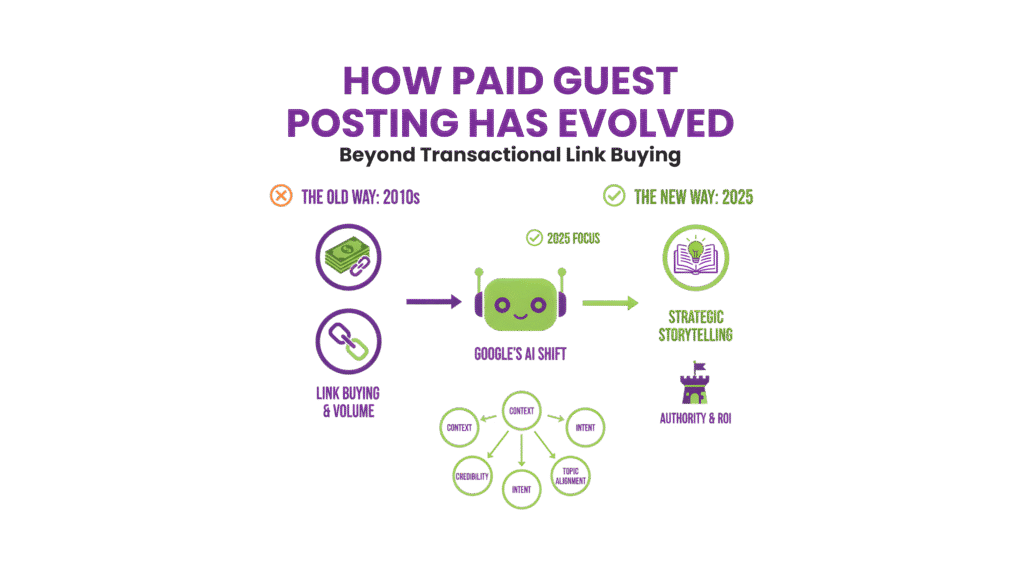
For years, paid guest posting was treated like a shortcut.
It was considered a quick way to build backlinks and push your rankings upward. But in 2025, that approach is outdated. Search engines, led by Google’s AI systems, have shifted the focus from link quantity to contextual credibility.
The result? Paid guest posting services have become strategic storytelling channels, not transactional link exchanges.
The old model of guest posting services revolved around domain authority scores and do-follow link counts.
When it came to guest posting, brands bought visibility, not engagement. But as AI began analysing user behaviour, the intent behind every post started to matter more than the backlink itself. Effective metrics like time-on-page, scroll depth, content overlap became more popular.
Today, paid guest posting sites that fetch results aren’t just hosting articles. They’re amplifying authority. These guest posting services offer platforms where a brand’s perspective fits naturally into ongoing conversations within an industry.
When content actually resonates, users engage. And AI reads that engagement as trust.
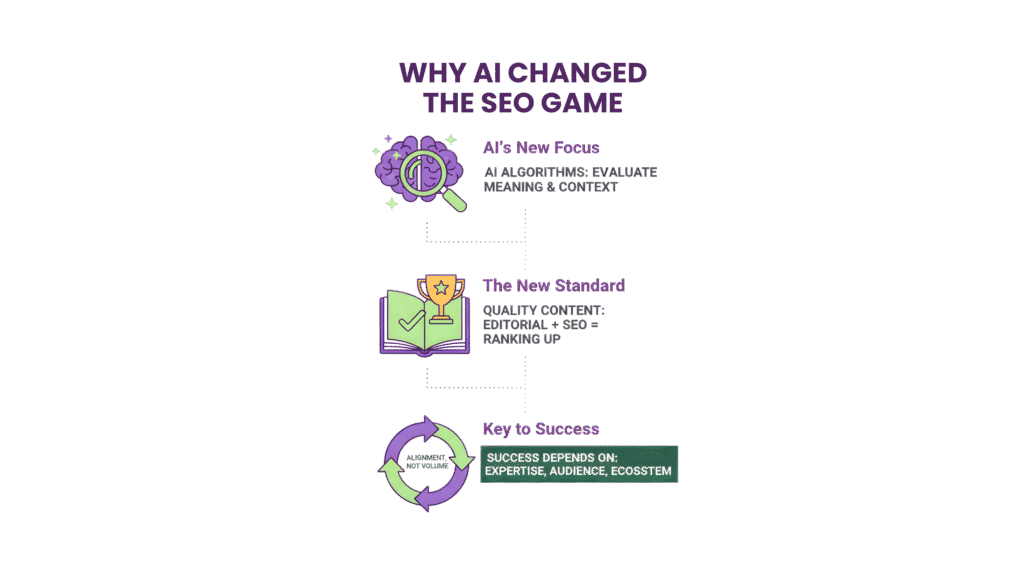
AI algorithms evaluate the meaning behind every link.
They can even assess whether the surrounding content adds value or simply exists for optimisation. If a post lacks semantic depth, Google’s systems recognise it as filler.
That’s why top guest posting sites merge editorial storytelling with SEO accuracy. By doing so, they structure articles that answer questions, cite reliable data, and integrate brand insights organically. Each paragraph contributes to the overall narrative and builds a thematic consistency that AI rewards.
In short, success depends on alignment, not volume.
Paid guest posts are no longer about where you post, it’s about how the content connects to your expertise, audience intent, and industry ecosystem.

When it comes to B2B brands, the evolution of paid guest posting represents a shifting perception.
Today, a well-placed, well-written post can serve dual intent. It can act like a thought leadership asset and an online ranking booster. Instead of chasing exposure, leading marketers now design impactful campaigns that build brand authority within niche communities.
These campaigns don’t rely on clickbait or keyword density. They lean on editorial credibility by using case studies, expert commentary, and actionable insights to inform audiences. Over time, this approach compounds visibility across search and social ecosystems. Eventually, making your brand a trusted voice rather than another SEO participant.
Paid guest posting services have grown into the go-to option for many B2B brands.
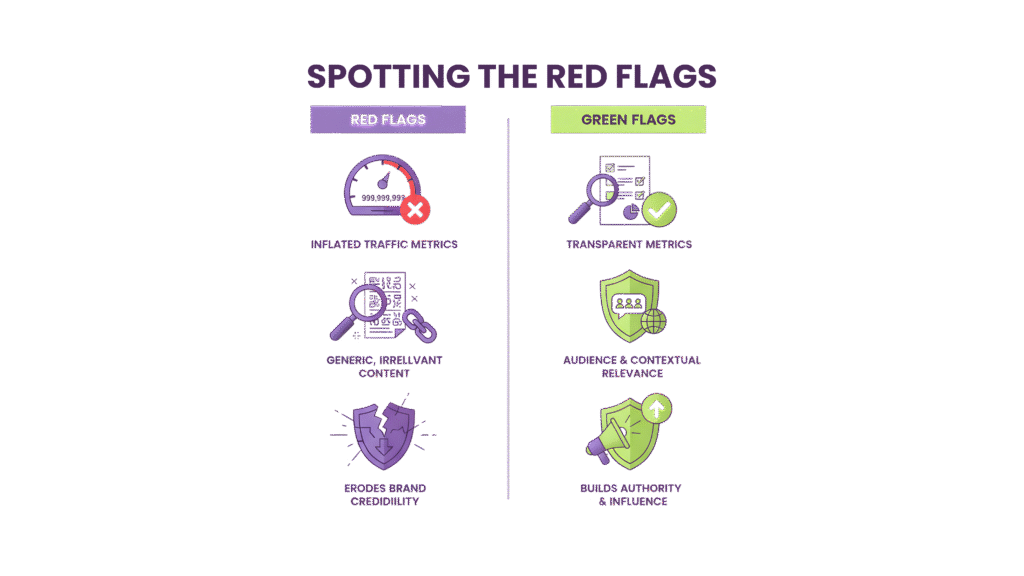
Still, the darker side of this evolution still exists. Low-quality guest post sites remain rampant even today. These platforms are filled with inflated traffic metrics, generic content, and irrelevant backlink profiles. Investing in them actually erodes brand credibility on digital marketplaces, instead of building it.
The real differentiator in this space is discernment.
It is critical to choose networks that reflect your brand’s values, tone, and audience intent. Having transparency in metrics, editorial review processes and contextual publishing standards are some factors which truly matter when it comes to selecting a guest posting site.
Guest posting services have matured into a field of influence, not manipulation. It’s about crafting credible narratives that both users and algorithms find valuable.
Understanding this shift is step one. The next is learning how to evaluate which paid guest posting sites genuinely drive engagement and authority, not just traffic.
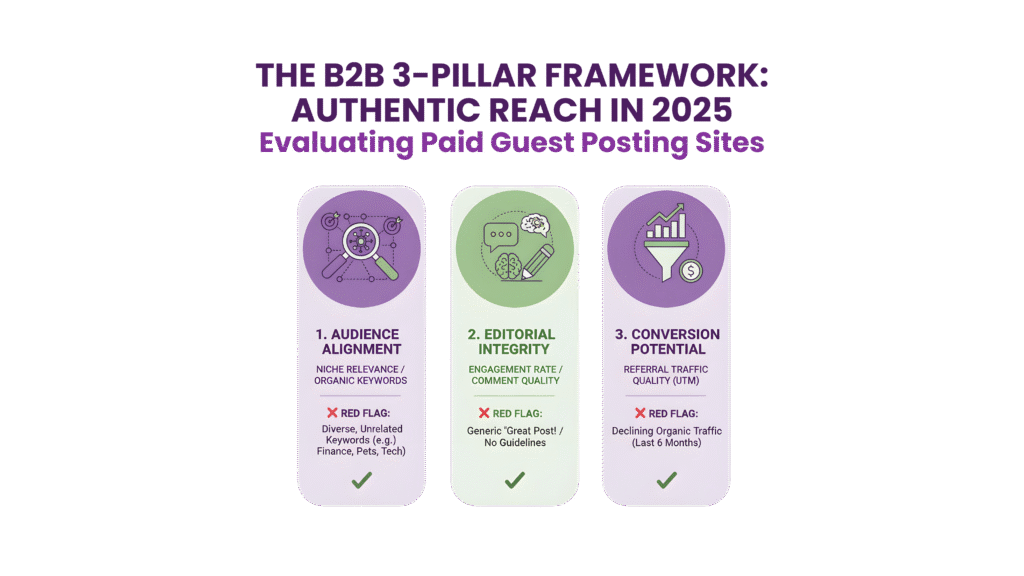
In 2025, reach has become a misleading metric. The right number means nothing if it’s coming from the wrong audience.
Paid guest posting sites vary widely when it comes to quality. Some publish effective links on niche platforms whereas other guest posting services just sell links for a high DA. The only way to separate genuine reach from inflated visibility is with a disciplined link evaluation framework.
The smartest B2B marketers treat every publisher like a media investment. Here’s how you can measure authenticity of any digital marketer before you commit to them:
B2B brands should start by knowing who’s actually visiting their site.
Many platforms inflate their numbers using automated traffic loops or syndicated bot referrals.That approach is not healthy for your digital marketing strategy.
Genuine visitors on paid guest posts stay longer, navigate multiple articles, and show a consistent geography pattern. They are easily trackable and convertible.
Sites that rely on inorganic traffic typically show short session times, erratic referral spikes, and no repeat visitors. For B2B audiences, human traffic is non-negotiable.
When it comes to paid guest posting services, you’re paying for trust, not noise.

Reach is worthless without reaction.
B2B brands should analyse their client’s time-on-page, social shares, and comment tone to fully capitalise on reader interest. A site with active, intelligent discussions and consistent readership signals actually connects with its audience.
For B2B brands, engagement is an indicator of influence. If the audience is engaging with industry ideas, your paid guest post placement has the chance to drive real leads, not just vanity impressions.
Guest posting sites today function like niche media partners, not mere link providers. Constructing them with the same as an ad ensures brand safety, SEO integrity, and credible visibility.
Once you know what authentic reach looks like, the next question becomes sharper. Naturally, the statement arises, paid guest posting services: are they worth the investment in 2025?
How do you measure ROI and prove that each placement meaningfully contributes to long-term brand equity? Let’s find out.
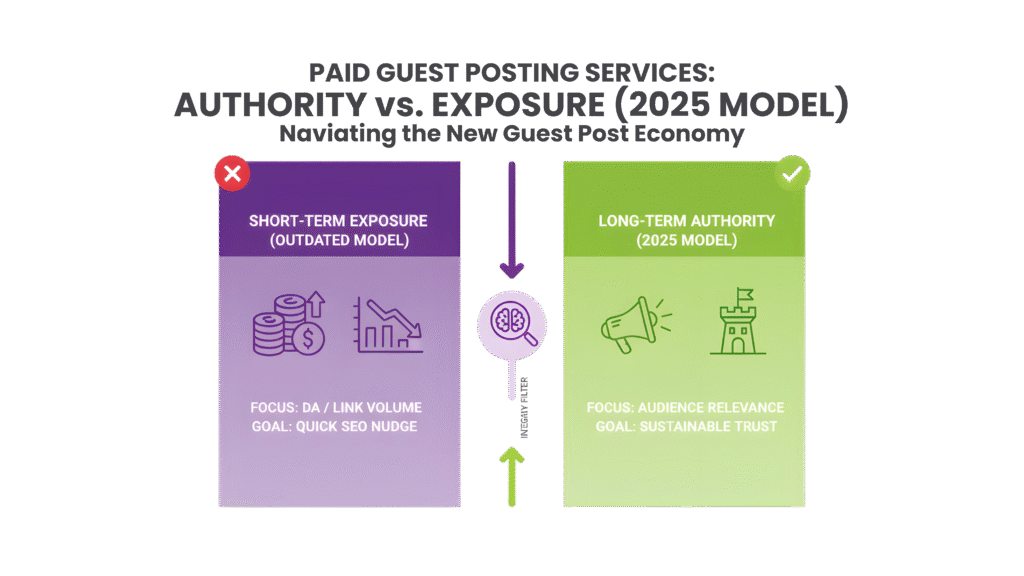
In 2025, the guest posting economy looks very different.
The lines between paid guest posting services and earned editorial visibility are blurring. Not because of shortcuts or algorithm manipulation.
Instead, brands are learning that paid placements are valuable only when rooted in content integrity, contextual authority, and measurable brand outcomes.
The question isn’t whether guest posting is worth paying for. It’s whether the model you’re investing in reflects long-term authority or short-term exposure. Let’s find out more about paid guest posting services and their ROI with this blog.
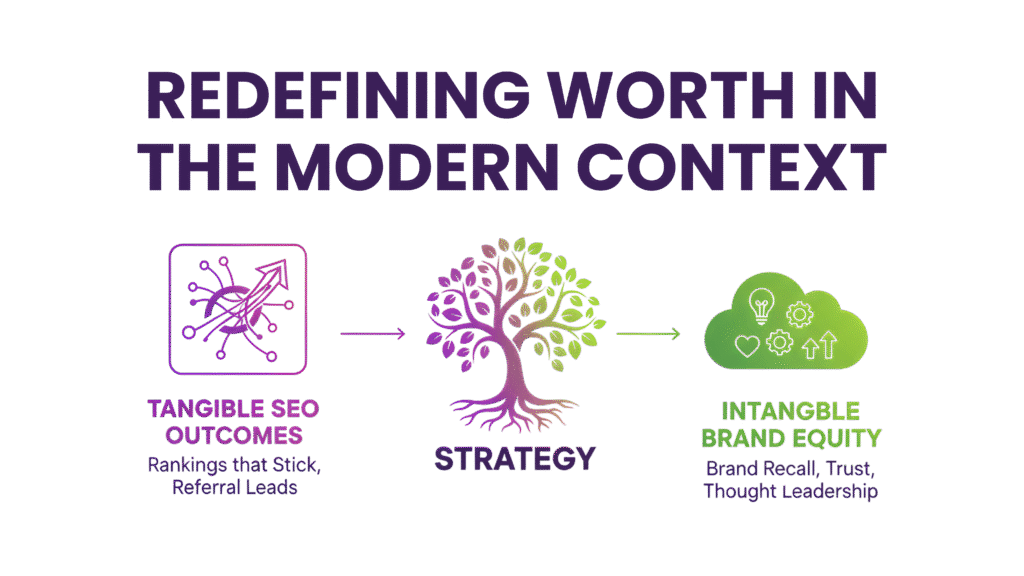
For most B2B brands, worth extends beyond traffic spikes or backlink counts.
Paid guest posting service is about creating rankings that stick, brand recall that deepens, and referral leads that convert because audiences trust where they found you.
Paid guest posts earn their keep when it actively contributes to an ecosystem of visibility and credibility.
In this regard, worth becomes a blend of tangible SEO outcomes like improved keyword positions and intangible brand equity, such as thought leadership and audience affinity.
If your placements aren’t driving both, the expenditure on guest posts becomes performance theatre, not strategy.
The smartest brands assess ROI across multiple signals. They do not consider vanity metrics at all.
A genuine lift in domain authority or organic keyword growth definitely matters for your digital marketing strategy, but there are more important factors to overlook
Measures like conversion depth and assistive value define whether your guest posting strategy is compounding returns.
Modern guest posting services integrate SEO intelligence to help you visualise this connection. By tracking referral sessions, assisted conversions, and keyword rank stability post-placement, brands can quantify the impact of each editorial investment.
The final goal here isn’t exposure for exposure’s sake. It’s exposure that converts to enduring authority.

In 2025, the cost-value gap is where most brands lose footing.
Many B2B brands still equate high DA with high trust. They ignore that Google’s AI ranking systems now prioritise editorial authenticity and semantic depth over surface-level metrics.
The best paid guest posting sites maintain consistent editorial oversight, publish within relevant topical clusters, and have engaged readership bases. These signals tell AI crawlers that your content contributes meaningfully to its ecosystem.
Brands must not ask how much does a placement cost? They should approach it like how much narrative context does it build?
The difference between those two lenses separates performative PR from compounding visibility.
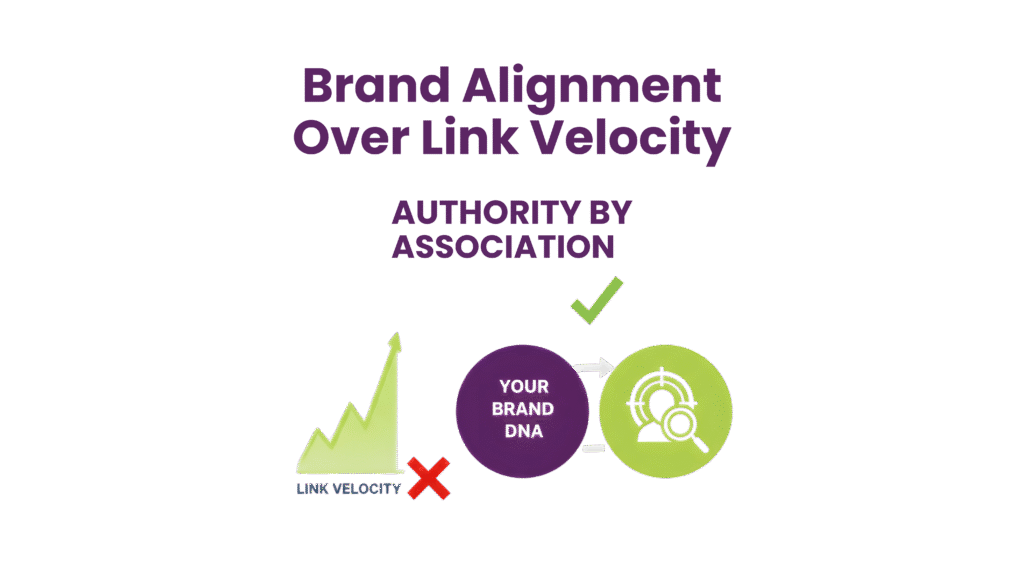
Guest posting shouldn’t operate in isolation. It should sync endlessly with your content marketing and SEO storytelling strategy.
Each paid guest post should connect back to your owned assets through narrative continuity, keyword alignment, and internal linking. It also reinforces your topical authority.
When it becomes a part of a wider content ecosystem, guest posts act as bridges. They bring new audiences to your domain through shared context and thematic consistency. That’s where ROI compounds. Not from one article, but from how well each story strengthens the next.
A campaign built on disjointed one-offs will always underperform a cohesive narrative that positions your brand as a consistent, trustworthy voice within its category.

Not all paid guest posting service providers are equal. In 2025, due diligence is the difference between an asset and a liability.
Top guest posting sites offer transparency in their outreach processes. They maintain clean backlink profiles, and provide verified engagement data to support their placements.
B2B firms should look for partners who operate on ethical, content-first principles. Guest posting partners should also prioritise relevance, editorial credibility, and contextual value. This partnership model ensures every guest post strengthens your E-E-A-T (Experience, Expertise, Authority, Trust) footprint.
Basically, your guest posting provider shouldn’t just place content. They should engineer discoverability.
That means understanding both the human narrative and the machine logic behind how content earns authority online.

For brands operating in competitive verticals, paid guest posting services should be part of a long-term strategy.
One that focuses on integrating data, storytelling, and performance analytics. B2B brands should use modern tools like predictive analytics tools to measure their content’s post-publication traction.
Understanding audience behaviour, where users come from, how long they engage, and which calls-to-action resonate is necessary to assess your performance in a digital landscape.
These insights close the loop between investment and intelligence.
The most successful B2B firms benchmark ROI in three dimensions:
A side-by-side comparison between transactional placements and strategic editorial collaborations shows stark differences. Editorial partnerships may take longer to show results but they build defensible authority that survives algorithm updates.
In 2025, paid guest posting has evolved into a credibility economy. It is one where visibility is earned through relevance, not repetition. For B2B brands, every placement must serve a strategic purpose. These paid guest post reinforcing expertise, strengthening digital trust, and aligning with audience intent.
The brands leading this shift aren’t the loudest, they’re the most consistent. Partners like Fastlinko measure success not in link velocity but in narrative ownership.
For those who value precision over publicity, paid guest posting is no longer a cost, it’s a digital infrastructure for sustainable online authority.
Avoid sites offering mass placements, irrelevant content, or thin engagement metrics. Check for organic traffic, editorial consistency, and topical relevance. Authentic paid guest posting sites prioritise reader value, not link sales—ensuring your investment strengthens your SEO footprint instead of risking penalties.
Professional services handle research, outreach, content creation, and placement transparency. They vet every platform, maintain editorial quality, and ensure links blend naturally within credible articles. This approach makes your investment sustainable, measurable, and aligned with Google’s evolving focus on expertise and trust.
Yes, as long as they follow editorial and disclosure best practices. Google discourages manipulative link schemes, but transparent, well-written paid posts with nofollow or sponsored tags remain safe. Quality and contextual integrity protect your brand from penalties and maintain ethical SEO standards.
Free guest posting relies on relationships and editorial approval, which can be slower but organic. Paid services accelerate reach by offering guaranteed placements—if they’re ethical and relevant. The key is choosing platforms that combine credibility with transparency, ensuring every post drives real impact.
