How US Agencies Use Guest Posting to Build Authority for Clients
January 30, 2026






Press release performance rarely fails at the writing stage. Most press release mistakes occur most commonly at the interpretation stage.
Here, brands often optimise for clarity, formatting and distribution. They assume that editors evaluate press release submissions the same way that internal teams do. In reality, editors’ rejection reasons do not include quality. They are assessing for fit.
Editors scan for signals that show either PR improvement or if a story contributes meaningfully to an existing narrative, trend or conversation. If those signals don’t appear early, the release stays invisible regardless of how polished it is.
This is where most press release mistakes originate, from a disconnect between brand announcements and how editors contextualise stories. What feels like “news” internally often lacks external relevance, timing alignment, or narrative tension when viewed through an editorial lens.
Best press release services like Fastlinko are experts in digital marketing and storytelling. They support brands by meeting all their needs. In this blog let’s learn more about press release mistakes that make editors ignore your story.
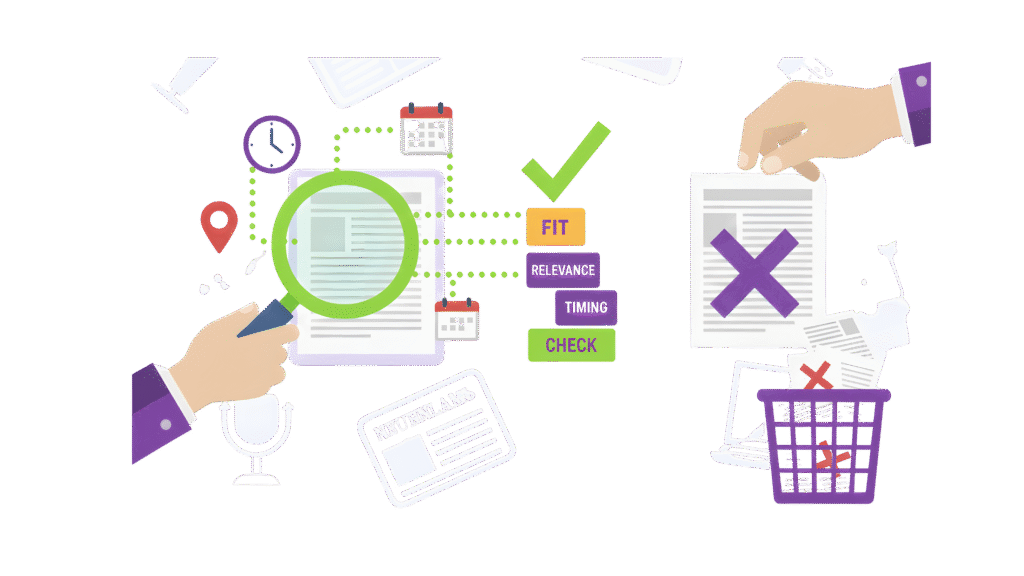
Editors aren’t hunting for perfect writing.
They’re scanning for fit, relevance and timing. Most publishing decisions happen within seconds, not minutes.
This section explains how editors actually evaluate press releases, why many get ignored and how strong press release submission respects editorial reality instead of guessing expectations.
Editors open press releases with one question in mind. Does this matter to our audience?
They do not scan through formatting or polish at the first look. Initially, their priority is checking alignment.
A press release can be detailed and still fail across alignment. If relevance isn’t immediate, all the gathered attention disappears. Editors work on the assumption that missing relevance cannot be fixed later. That decision happens fast.
This is where many press release mistakes begin. Brands explain everything except why it matters and editors move on without hesitation.
Editors judge news through context, not excitement. A story matters only within a publication’s focus. Timing, audience interest and editorial angle shape that user judgment.
What feels newsworthy internally often lacks external value. Editors start comparing your story against competing narratives. They also question if it advances conversation for their readers.
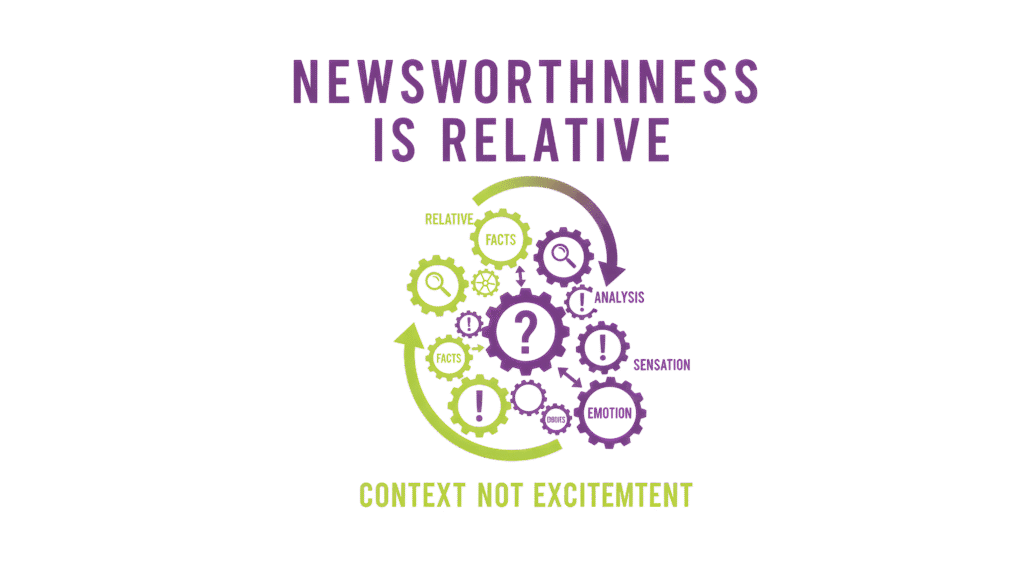
Best press release services understand this relativity. They frame stories around audience needs, not brand pride. That framing changes outcomes.
Many press releases fail because they celebrate inward progress. Funding rounds, feature launches, or hiring updates feel important internally. Editors rarely see them the same way.
Editors look for impact beyond the company. They want consequences, not milestones. They care about shifts, not steps.
Without external relevance, internal updates read like announcements. Announcements rarely earn coverage. This disconnect explains many editor rejection reasons.
Editors need context immediately. They don’t read slowly. They skim with purpose. If meaning isn’t clear, attention drops.
Strong framing answers “why now” early. It connects the story to a broader moment. It gives editors a hook they can work with.
Press release submission improves when clarity leads. Editors prefer usable stories over impressive language. Framing creates that usability.
Editors receive hundreds of emails daily. Many look similar. Most promise importance. Few deliver relevance quickly.
This volume changes behaviour. Editors skim subject lines, intros, and first sentences. They decide before commitment forms.
PR improvement starts by respecting this reality. Messages must earn attention instantly. Anything slower feels risky to read.
Editors work within constraints. Deadlines, formats, and audience expectations shape decisions. Press releases that ignore workflow create friction. Successful press release submission fits naturally into editorial processes. It offers clarity, angle, and context upfront. It respects how editors build stories. This is why best press release services focus on structure, not hype. They design releases editors can use, not admire.
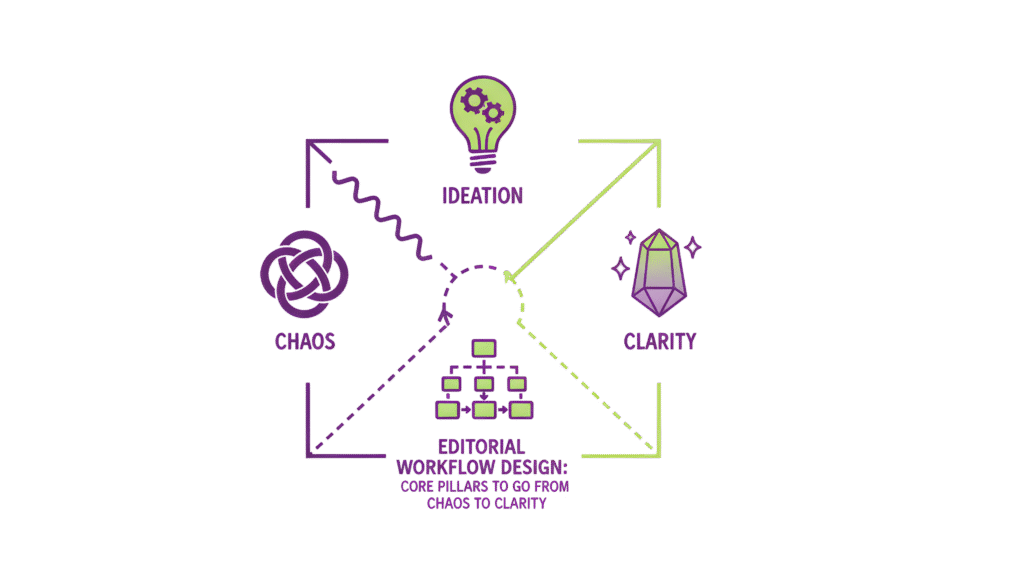
Editors don’t reject press releases emotionally. They reject them procedurally. Understanding this reframes press release mistakes as process gaps, not quality failures. This prepares brands to improve intelligently in the next section.
Many press release mistakes don’t come from poor writing. They come from outdated thinking.
Most press release submission frameworks were designed for a slower editorial world. But today’s newsrooms work under constant filtration pressure.
Explore why legacy press release structures fall out of sync with how editors now evaluate stories.
Traditional press releases were created for distribution-heavy environments. They assumed editors would read, assess, and shape stories patiently. The release acted as a starting point.
That assumption isn;t valid anymore.
Modern editors operate within filtering systems. Their job is to eliminate press release mistakes quickly, not explore deeply. They scan texts for relevance signals instead of narrative completeness now. If those signals don’t surface immediately, the story ends there.
This is where many press release mistakes begin. Releases explain everything but signal nothing early. So, editors move on before any meaning appears.
Legacy press release submissions were designed to be self-contained.
They aimed to answer every question in one document. That worked well when editors shaped stories themselves, but it works poorly in modern workflows.
Today, editors do not want completeness. They want selection clarity. Their focus is on a single, defensible angle they can place fast. When releases lead with background instead of relevance, that angle stays hidden.
Editorial judgement now happens upstream.
Content editors decide whether a press release submission matters before committing their attention. It is decided using framing cues, not paragraphs.
Headlines, opening context and implied audience fit carry disproportionate weight. Editors ask whether the story aligns with their beat, timing, and reader expectations. If alignment feels weak, reading never happens.
This is one of many editor rejection reasons. Releases are judged on perceived usefulness, not writing depth. Decision precedes engagement.
Much PR advice still teaches message completeness. It prioritises brand clarity, quote balance, and narrative consistency. These principles serve internal stakeholders well. They do not serve editors.
Editors do not need full narratives. They need fast situational understanding. They want to know why this story exists now, and for whom.
This gap drives recurring pr improvement efforts. Refining language helps marginally. Rebuilding structure around editorial utility helps fundamentally.
Distribution-led frameworks assume reach equals opportunity. Releases are written broadly to maximise pickup. This sacrifices specificity.
Editors interpret broad framing as low relevance. If a release could belong anywhere, it belongs nowhere. Generic positioning weakens placement confidence.
Even the best press release services struggle here. Distribution cannot compensate for unclear editorial purpose. Volume accelerates rejection when relevance stays vague.
Many rejected releases are technically strong. Language is clean. Tone is professional. Messaging is clear.
Failure occurs because the format serves the wrong job. Releases are built to inform thoroughly. Editors need tools to decide quickly.
This mismatch explains persistent press release mistakes. Execution quality cannot override structural misalignment. Editorial reality has changed.
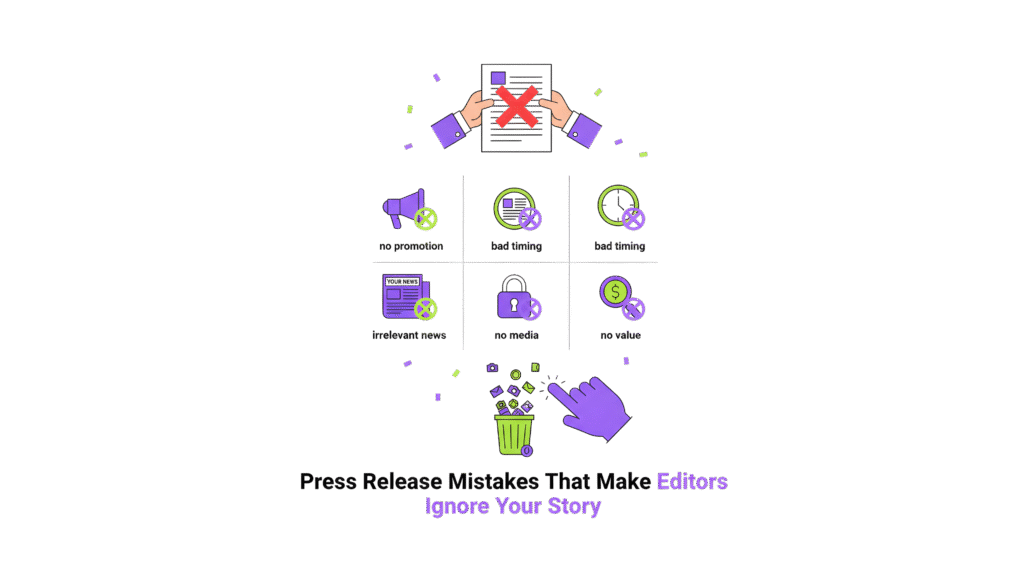
Avoiding rejection today is not about sounding smarter. It’s about sounding usable.
Editors skim most PRs for signals that make their job easy. When a release creates friction, the story gets parked, even if the announcement itself is solid. The best press release services quietly remove that friction.
They know a press release submission succeeds when an editor can lift meaning in seconds. Some press release mistakes make editors ignore your story entirely, despite how you present it.
Let’s find out more about them.
Most brands write releases like status updates. Editors read them like investment memos.
Editors want to know what shifts because of their news. Did something break? Did someone fix it? Did a pattern change? Did the market feel it? These are the invisible story filters. A press release sample that fails this test is not rejected loudly. It is ignored silently.
Seasoned PR teams always build stories around impact. They frame the announcement through the people affected by it. Founders are a stronger narrative lens than product dashboards. Customers are stronger proof points than brand adjectives. Teams and operators provide richer texture than feature lists.
A well written release gives the engine of the story first.
A headline is not just a title.
It tells editors what mental folder to put the story in. Weak headlines fail because they lack category fit. A line that doesn’t clearly show relevance forces the editor to think harder. That extra second is expensive.
If a headline doesn’t pass a category signal, the story isn’t opened. Furthermore, clarity in headlines is not simplicity. It is intent compression. A headline must tell humans and machines what has changed, for whom, and by how much. This is where PR improvement begins.
Strong headlines solve half of editor rejection reasons before they happen. The best press release services treat headline writing like distribution intelligence.
They test whether the headline opens doors, not whether it sounds poetic.
The opening of a press release submission is like a contract. It sets the rules for what follows.
Poor openings fail because they’re out of order. If the first paragraph makes the editor scroll too much for the point, the release loses pickup momentum instantly.
The most common press release mistakes happen when the idea is buried under explanations or chronology that should have appeared later. The strongest openings answer the core questions immediately:
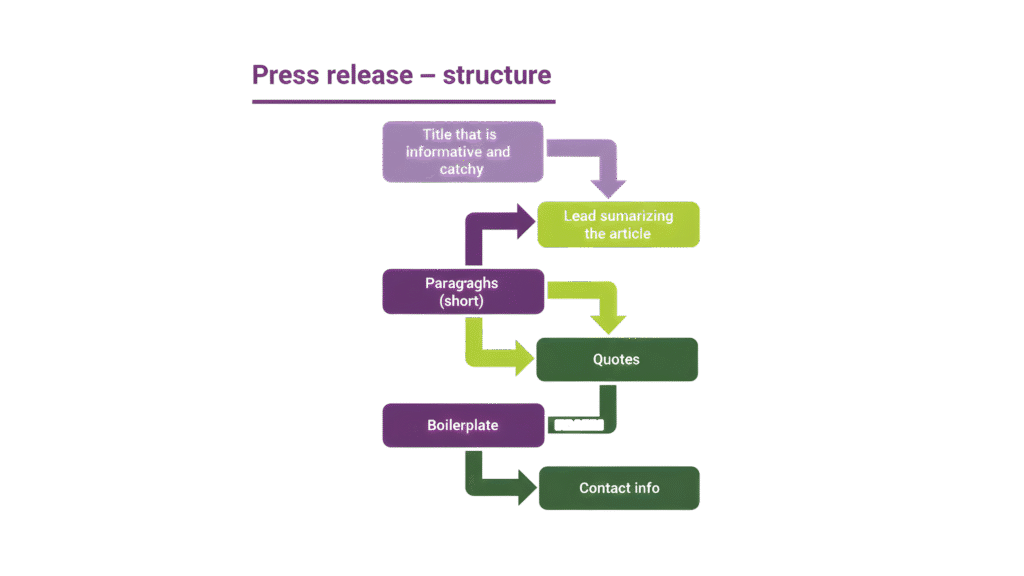
If the opening paragraph doesn’t solve the “why now” layer, the editor has no reason to continue scanning. This is why top newsroom pickups spike early. Editors open stories that resolve time, relevance and consequence instantly.
Brand mentions are seasoning, not substance.
When a release repeats the brand’s name in every paragraph, it creates a credibility imbalance. The reader feels marketed to even before they feel informed. That imbalance is one of the most consistent editor rejection reasons, even when the story itself could have performed.
In 2025, over-branding is one of the most silent killers of PR momentum. Brands that avoid press release mistakes replace over-branding with situational proof. They let the narrative carry the brand instead of letting the brand carry the narrative.
The secret is, the more a release sounds like it needs to convince you, the less convincing it becomes.
Platforms are not distribution pipes. They are spaces for audiences with expectations.
A release that pitches the wrong category of story to the wrong publication does not fail because of quality issues. It fails because of an intent mismatch.
Editors don’t always reject poor releases. They reject misplaced ones. This is where PR improvement is most needed. It’s why the best press release services invest in editorial scouting before press release submission begins.
They know editorial intent is the first filter, not the last one.
The best press release services build distribution plans that support meaning, not replace it.
A wide press release submission can push visibility briefly, but it cannot compensate for poor category fit, buried consequence, or misaligned narrative logic. Visibility without context decays faster. It does not compound.
Editors know which platforms reward structured consequence, which reward operator nuance and which reward peer validation. They distribute content for longevity, not loudness.
A release performs when it makes the editor nod internally. Not when it makes the brand sound louder.
When brands avoid press release mistakes, they are supported by press release professionals who reinforce their brand. Experts like Fastlinko build stories that travel cleanly across editorial systems, search feeds, and buying pathways. That travel creates compounding PR emotional impact over time.
And once that friction is removed, PR improvement becomes easier, predictable, and defensible.
Editors scan first for relevance and structure. If the opening feels generic or misaligned with their beat, they assume the rest will follow. This early signal matters because editors work under time pressure and rely on pattern recognition to filter quickly.
Structure signals thinking quality. When headlines are vague and leads bury the point, editors struggle to see a story shape. That friction suggests more work ahead, which lowers priority. Clear structure makes the story easier to assess, which increases the chance it gets attention.
Promotion shifts focus away from the reader. Editors look for information, not persuasion. When a release sounds like marketing copy, it signals that the brand hasn’t considered editorial needs. That mismatch makes the story harder to adapt for publication, so it’s often ignored.
Headlines often focus on the company instead of the impact. Editors scan for change, tension, or consequence. When a headline reads like a label rather than a signal, it doesn’t invite curiosity. That weak first impression limits engagement from the start.
