How US Agencies Use Guest Posting to Build Authority for Clients
January 30, 2026



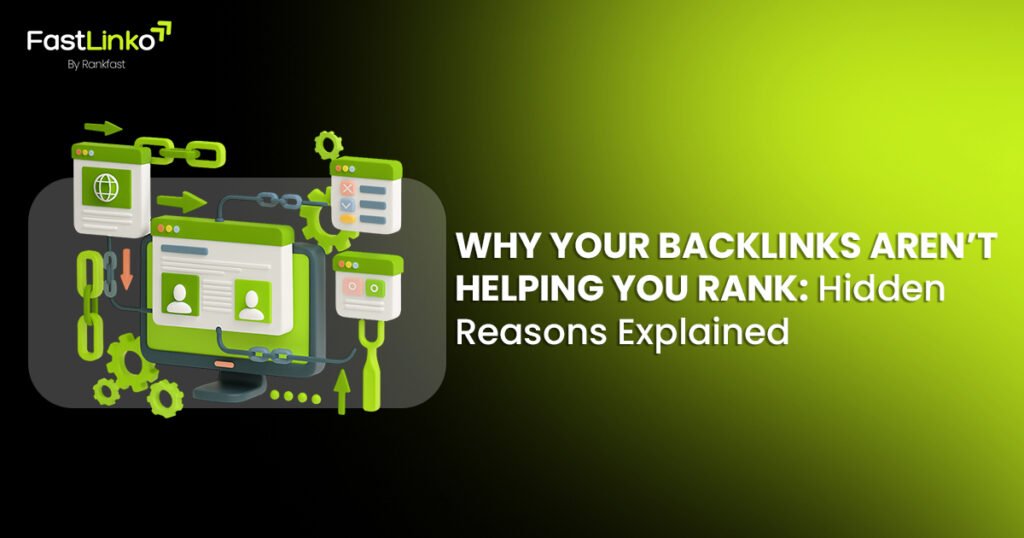


Backlinks remain one of the strongest trust signals search engines rely on. Every business that invests in SEO focuses heavily on earning link equity. Yet many brands hit a wall: they build links, run outreach, invest in link-building outsourcing, and still see no meaningful improvement in search visibility.
This is a pattern SEO teams at FastLinko see repeatedly when auditing link profiles for growth-focused brands. On paper, the backlinks look strong. The domains are relevant. The outreach is consistent. But rankings stay flat. The issue is rarely the links themselves. It’s what surrounds them. When structural SEO gaps, weak topical alignment, or missing trust signals exist, even well-earned backlinks lose their ability to influence rankings.
If your backlinks not working has become a recurring concern, there are deeper reasons behind the stagnation. Links can support authority only when the surrounding strategy and structure allow that equity to flow. In many cases, even genuinely high-quality links fail to move the needle because hidden SEO weaknesses suppress their impact.
This guide breaks down the real reasons your backlinks fail to influence rankings and explains how to address the weak points holding back your growth.
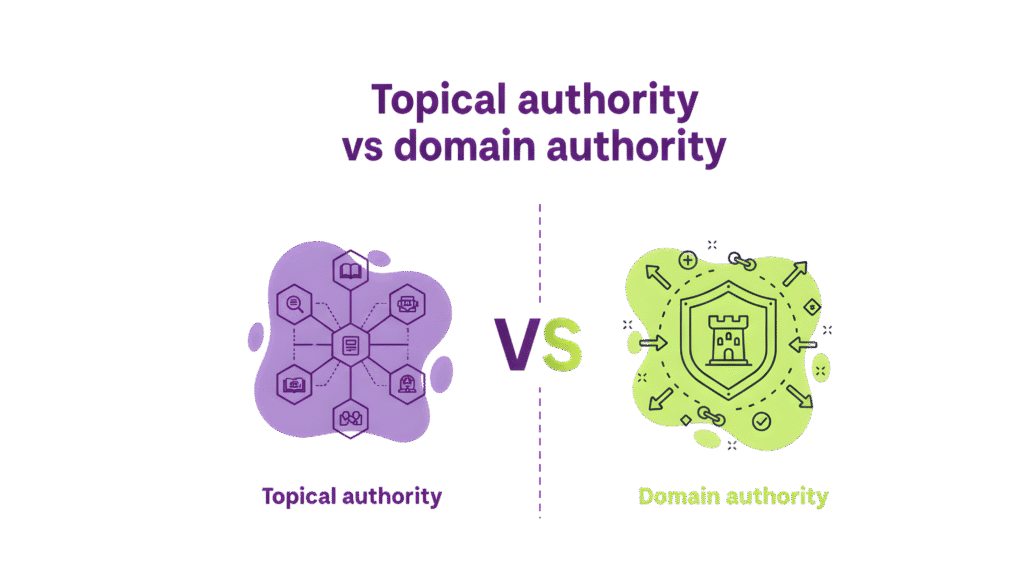
Topical alignment is one of the strongest signals search engines use to evaluate backlink quality. In the past, any link from a high authority site could boost visibility. Today, search engines assess whether the source linking to you actually belongs to the same subject space.
When the relevance is missing, authority weakens immediately, and your backlinks not working becomes a predictable outcome.
Many brands unknowingly build links from sites that operate outside their niche. For example, if your business sells automation software but you receive backlinks from lifestyle blogs, general entertainment sites, or irrelevant personal blogs, search engines read those mentions as weak endorsements.
The link may exist, but it does not strengthen your expertise or topical footprint. A major cause of this problem is poorly planned link building outsourcing, where vendors prioritize quick placements over contextual relevance.
Topical depth matters because search engines expect every backlink to reinforce your domain’s expertise. If your content covers automation, AI, workflow tools, SaaS performance, or business technology, your backlinks should come from clusters closely related to those topics. That includes tech publications, SaaS review platforms, automation blogs, AI industry news portals, and business operations resources.
When your backlink profile lacks this alignment, your topical map stays incomplete. Search engines assume your content lacks sufficient authority within its focus area, which can lead to ranking issues even when the link metrics appear strong on paper.
To create meaningful impact, each link should feel naturally placed within the same knowledge space as your content. Relevance is the anchor that enables authority to flow; without it, even white-hat link building cannot deliver the growth you expect.
Many brands prioritize high-DR or high-DA websites when building links. Although authority helps, it is not enough on its own. Search engines look at the entire context, including.
Backlinks are signals of trust, but they only work when the content they point to is strong enough to deserve that trust. Search engines evaluate not just who links to you, but what those links support.
If the target page lacks clarity or depth or fails to meet search intent, even a well-earned backlink provides little value. This is one of the most common reasons businesses find their backlinks no longer work despite ongoing efforts.
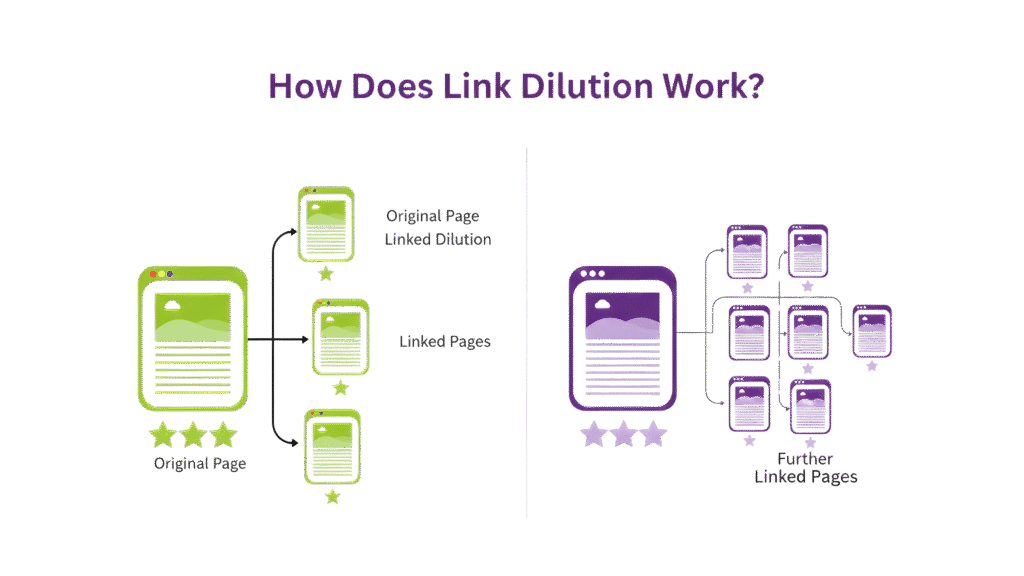
When content is shallow or fails to solve the user’s problem, search engines see a clear mismatch. They interpret the link as an endorsement of a page that doesn’t fully answer the query. As a result, the algorithm discounts that endorsement, and your authority does not grow. Even the best white hat link building cannot compensate for content that does not offer substance.
For backlinks to translate into ranking power, your content must be able to absorb link equity. This means it should showcase expertise, provide actionable insights, and address the exact intent behind the keyword. Pages that meet these standards gain a strong advantage because the link equity flows into a structure that search engines already trust.
Weak content, on the other hand, creates ranking issues no matter how many links you acquire. The page simply cannot hold the weight of the external authority directed toward it. This is why brands often invest in link building outsourcing but still fail to see progress. The links are present, but the foundation is too fragile to leverage them.
Strengthening your content is the first step toward unlocking real value from every backlink. Once the content is credible, detailed, and aligned with user expectations, link equity begins to support genuine growth.
Not all links help you. Some do the opposite. Over time, your site may accumulate toxic links from spammy networks, auto-generated profiles, article directories, or low-trust sites. Even if you did not intentionally build them, they can reduce your visibility.
This is one of the most common hidden ranking issues businesses face.
Harmful links often come from:
Without regular backlink audits, harmful links go unnoticed, undermining your authority.
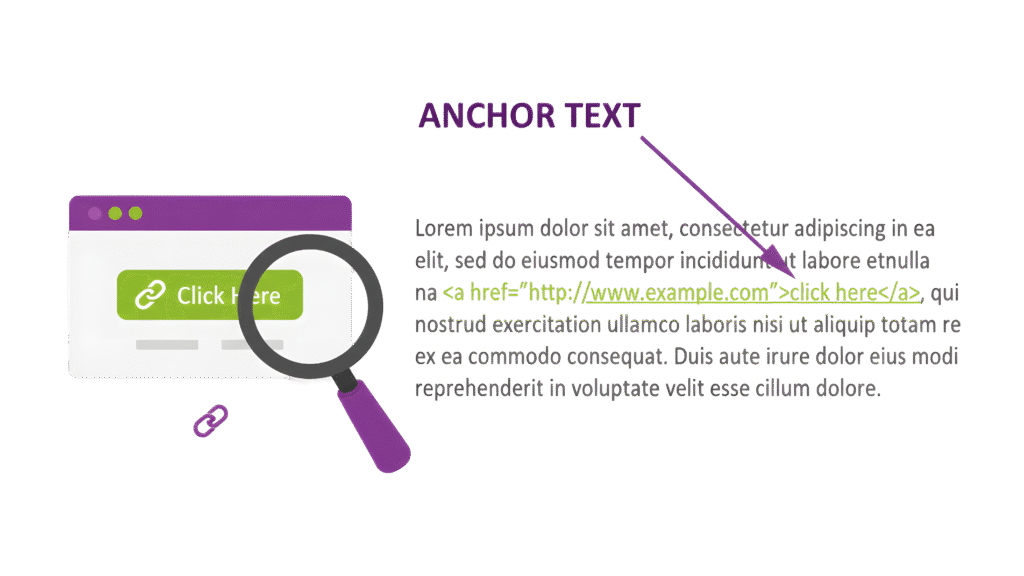
Anchor text is one of the strongest indicators search engines use to understand how your pages should rank. When your anchor text profile becomes overly engineered or heavily keyword-loaded, it immediately triggers distrust. Repeated, exact-match anchors create a pattern that algorithms interpret as manipulation, resulting in suppressed visibility and ongoing ranking issues.
Many brands unknowingly fall into this trap, especially when working with agencies or vendors that follow rigid templates. They repeat the same anchor text across articles, directories, guest posts, or placements secured through link-building outsourcing.
Even if these links come from decent websites, the artificial pattern weakens the overall backlink profile. Search engines want natural variation, not repetitive keyword stuffing.
A trustworthy anchor text profile blends multiple anchor types. Brand anchors build identity and authenticity. URL anchors reinforce natural linking behavior. Partial match anchors help search engines understand topic relevance without appearing forced. Contextual anchors, placed organically within meaningful sentences, provide the strongest signals because they mirror how real editors reference content.
When your anchors lack this balance, your backlinks not working becomes an unavoidable problem. The links may exist, but the way they are presented undermines their value. Search engines do not just review the source of the link; they also evaluate how naturally the link fits within the content and whether the anchor text reflects real editorial behavior.
Even if your strategy involves white-hat link building, over-optimized anchors can undermine results. If the anchor profile looks engineered rather than organic, authority gets discounted. Correcting this requires a strategic mix that restores trust and ensures your backlinks contribute meaningful ranking power.
SEO is relative. Even if you believe your strategy is strong, your competitors may be earning more trusted links faster than you are. This can make your white hat link building appear ineffective simply because their signals overpower yours.
When competitors earn:
Your own links fail to move the rankings because your overall profile becomes comparatively weaker.
Backlinks can strengthen your authority only when your site’s technical foundation is healthy. If the underlying structure has serious gaps, your backlinks not working becomes inevitable. Technical SEO acts as the channel through which link equity flows. When that channel is blocked, diluted, or inconsistent, the value from your white hat link building never reaches the pages that need it.
One of the biggest issues businesses face is poor crawlability. If search engines struggle to access or understand your pages, they cannot assign authority correctly. Crawling limitations, blocked resources, or misconfigured robots directives prevent link equity from being applied where it matters. Page speed problems add another layer of friction. Slow-loading pages create negative user signals, which reduce the trust your backlinks should otherwise support.
Duplicate content, JavaScript rendering issues, and incorrect canonical tags also disrupt the flow of authority. These errors confuse search engines about which page should rank, so the equity from your backlinks is either split or lost entirely. Even strong links secured through link-building outsourcing cannot overcome structural inconsistencies that hinder indexing.
Mobile experience plays a major role as well. If your mobile version delivers weaker performance or poor usability, search engines deprioritize your content regardless of how many backlinks you earn. A weak internal linking structure further amplifies the problem. Without proper internal connections, link equity becomes isolated rather than flowing across your high-intent pages.
Technical barriers often sit at the root of major ranking issues, limiting growth even when your link building efforts seem strong on paper. When search engines cannot interpret your site correctly, the authority you earn simply does not register. Fixing these issues allows every backlink to deliver its true value.
When search engines cannot interpret your site correctly, backlinks lose their influence.
When your backlink strategy points to pages with no search demand, the entire effort weakens. Many companies unknowingly direct link equity toward pages that were never created to rank. These pages often lack keyword alignment, do not align with user intent, and serve only internal messaging or branding.
Even if they attract strong backlinks, they fail to gain traction because search engines see no reason to push them into competitive results. Links only work when they support content that answers real questions, solves a problem, or targets a defined query pattern. If your pages are not aligned with clear search intent, the authority you try to build fades away.
Another challenge is the way search engines evaluate link velocity. The speed at which your backlinks appear is a major trust signal. When your link profile shows sudden spikes, bursts of irrelevant backlinks, or an influx of keyword-heavy anchors from guest post networks, the pattern raises suspicion instantly.
Search engines read this as manipulation, even when the outreach effort was genuine. Once velocity appears artificial, the value of those links declines, and rankings stagnate because the signals fail to meet trust thresholds.
A natural link profile grows at a pace that reflects your publishing activity and brand engagement. When you release useful content, new mentions follow. Strong resources earn references over time. PR activity, expert insights, and industry visibility attract authentic links. This type of steady growth reinforces credibility. But when links appear faster than your content output can justify or when they cluster around pages with no real keyword focus, the profile begins to lose authenticity.
When these two problems occur together, misaligned target pages and unnatural link velocity combine to limit your progress. You continue investing in link building, yet see no movement. The pages cannot rank because they do not align with user intent. The velocity suppresses trust because the pattern looks engineered. As a result, link equity never turns into meaningful ranking performance.
To fix this, every page that receives backlinks must be tied to clear search demand and supported by content that provides genuine value. At the same time, your link-acquisition pattern should reflect natural brand momentum. When both areas align, backlinks begin to contribute to visibility, trust, and measurable ranking improvements.
Outsourcing link building is common, but most outsourcing partners prioritize quantity over strategic relevance. This leads to:
Even if you receive several placements, they rarely influence rankings if they lack authority, relevance, and editorial integrity.
Bad outsourcing often results in toxic links, poor anchor profiles, and wasted budget.
External links get you authority, but internal links distribute it. Without strong internal linking, link equity gets trapped and fails to support your important pages.
Issues may include:
As internal structure improves, external links begin to influence a broader area of your site.
Backlinks amplify authority only when paired with consistent content output. If your site rarely publishes new content or lacks structured topic clusters, your link equity has nowhere to grow.
Search engines reward active sites that demonstrate depth of subject matter. Without momentum, backlinks alone cannot carry your rankings.
If your backlinks have not produced results for months, it’s time to realign your strategy. Focus on strengthening relevance, trust, and technical stability.
1. Audit your link profile for relevance, toxicity, and anchor issues. So, identify weak links, spammy networks, or over-optimization.
2. Strengthen your topical authority before scaling link building by creating structured content clusters that clearly reinforce your niche and demonstrate subject depth to search engines.
3. Prioritize quality-driven, contextual, white hat link building where every link actively supports your content instead of existing only as a placement recorded in a spreadsheet.
4. Improve your target pages by aligning each one with clear search intent and expanding content depth so the page can absorb and benefit from incoming authority.
5. Fix technical SEO issues early, because backlinks cannot support a site that struggles with crawling, indexing, or basic visibility across search engines.
6. Monitor competitor link profiles regularly to benchmark your approach against top performers and understand what type of links are actually influencing rankings in your space.
7. Reevaluate your link-building outsourcing partner and move toward a quality-first, relevance-focused model that values long-term trust over short-term volume.
8. Strengthen internal linking so authority flows naturally across your most strategic pages instead of remaining isolated on a handful of URLs.
When you address these weaknesses, your link profile begins to send strong, trustworthy signals that support steady, lasting growth.
Backlinks still hold enormous value, but only when built with context, relevance, and strategy. If your backlinks not working has been a recurring struggle, the issue lies not in link building itself but in the hidden gaps around relevance, content depth, technical strength, and link quality.
A cleaner, more relevant, strategically aligned backlink profile will always lead to stronger visibility and healthier rankings.
Yes. Irrelevant backlinks dilute your topical authority. Even if the sites look legitimate, links from unrelated domains do not support your niche expertise and may cause stagnation in rankings.
A toxic link usually originates from spam networks, automated forums, link farms, hacked sites, or blogs that exhibit questionable linking patterns. These toxic links can trigger trust issues and suppress your organic performance.
Absolutely. White hat link building remains one of the most reliable ways to build long-term authority. It works best when your site has strong content, clear topical clusters, and healthy technical performance.
Many link building outsourcing partners focus on volume, not relevance or editorial value. If the placements come from weak sites or irrelevant topics, your rankings do not improve. Quality-driven, relevance-focused outsourcing is essential.
Yes. Over-optimized or repetitive anchor text patterns can make your profile look manipulated. A natural mix of branded, partial match, and contextual anchors strengthens trust and enhances ranking signals.
If your site has crawling errors, slow load times, rendering issues, or poor site structure, search engines cannot accurately assess your authority. Even strong backlinks won't improve rankings when your technical SEO is weak.
A quarterly audit works well for most businesses. If you operate in a competitive niche or run extensive link campaigns, a monthly review helps you stay ahead of ranking issues and removes harmful signals early.
